Mechanical vs Electronic Fuel Level Gauges: Which Is Better?
Understanding Fuel Level Gauges: Mechanical and Electronic Fundamentals
- Understanding Fuel Level Gauges: Mechanical and Electronic Fundamentals
- Mechanical vs Electronic Fuel Level Gauges: Comparative Analysis for Procurement
- Decision-Making Guide: Which Fuel Level Gauge Fits Your Needs?
- Spotlight on Leading Brands and Suppliers: Trusted Mechanical Fuel Level Gauges
- Troubleshooting and Maintenance Best Practices for Mechanical Fuel Level Gauges
- Conclusion
- FAQ
- Partner with GAMICOS for Reliable Level Measurement Solutions
- References
When looking at different ways to measure fuel level, the Mechanical Fuel Level Gauge is often the best option for situations that need to be reliable and don't need electricity. Mechanical Fuel Level Gauges work using tried-and-true buoyancy and magnetic principles, so they always work the same way in tough industrial settings. Electronic gauges have advanced features like digital readouts and remote tracking, but they are also more complicated, need more power, and could have electrical failure spots. The best choice relies on your unique operational needs, your budget, and how you plan to maintain it in the long run. When procurement workers understand these basic differences, they can make choices that are best for their facility's needs.

Understanding Fuel Level Gauges: Mechanical and Electronic Fundamentals
How Mechanical Fuel Level Gauges Work
Mechanical Fuel Level Gauges use physical devices to show the level of a stream directly to the naked eye. Most of the time, a magnetic float is used that rises and falls with the liquid level inside a protected room. When the float moves, its permanent magnets contact with outside markers, which are usually flags or colored rollers that are placed outside the chamber. When these two-colored signs are turned over, they show the current level clearly.
With its power-free design, the GLTV4 Mechanical Fuel Level Gauge is a good example of this method. It blends detection and display into a single structure, so it can watch the amount of liquid in real time without using electricity from outside sources. This way of thinking about design gets rid of the costs and limitations that come with driven systems. This makes it especially useful for places that are far away or don't have a lot of electricity infrastructure.
Electronic Fuel Level Gauge Technology
To find out how much fuel is in the tank, electronic gauges use sensor technologies like capacitance probes, ultrasound detectors, or magnetostrictive sensors. These gadgets change data at the physical level into electrical signs that digital computers can understand and show. The electronic method lets it work with supervisory control and data gathering systems, which lets tracking happen from afar, data be stored, and alarms be set off automatically.
Electronic systems make things more useful, but they need a constant power source and have connections that can be damaged by electrical interference, water, and parts that wear out over time. When buying something, these weaknesses need to be carefully thought through, especially for uses in places with bad power systems, high temperatures, or environments that are toxic.
Core Component Comparison
There are three main parts to a Mechanical Fuel Level Gauge: the measurement box, the magnetic float, and the external indicator unit. The chamber attaches directly to the vessel, and the amount of liquid inside matches the level in the tank. Floats are usually made of 316 stainless steel or titanium because they last a long time and don't react with chemicals. External signs use rare earth magnetic systems that latch together, stopping vibrations or mechanical shocks from giving wrong readings. Sensors, signal conditioning circuits, power sources, and display interfaces are all things that electrical systems need. With each new part, there are new ways that it could fail, which must be handled through regular inspection and testing procedures.
Mechanical vs Electronic Fuel Level Gauges: Comparative Analysis for Procurement
Accuracy and Reliability
Mechanical Fuel Level Gauges are always accurate because they use tried-and-true buoyancy principles. Signal processing mistakes are eliminated by the direct mechanical connection between the float state and the outside signal. The accuracy is usually between ±5mm and ±10mm, but this is fine for most industrial storage and process uses because it depends on the type of float and the length of the chamber.
Higher resolution is possible with electronic gauges, usually within ±1mm to ±3mm. However, this theoretical benefit relies on how well they are installed, how often they are calibrated, and how stable the working conditions are. Mechanical Fuel Level Gauge Over time, environmental factors such as changes in temperature, electromagnetic interference, or condensation can make electronic sensors less effective.
Metrics for reliability support Mechanical Fuel Level Gauges for stability over the long term. This benefit is shown by the GLTV4 Mechanical Fuel Level Gauge, which can be used for 8 to 10 years without having to update any electronic parts. Since there are no circuits, processors, or power sources, there are no failure modes related to parts wearing out, water damage, or electricity surges.
Durability in Harsh Environments
There are many obstacles in industrial settings that test how resilient people are. When there are extreme temperatures, toxic chemicals, high vibrations, or exploding atmospheres, Mechanical Fuel Level Gauges work great. Common industrial fluids, such as water, oil products, and light acids or bases, don't damage construction materials like aluminum alloy housings and plastic signs.
The magnetic coupling principle keeps the measurement box completely closed, so the process fluid doesn't come into touch with any outside parts. This design lets you work with dangerous materials without making places for sparks or contamination to go.
In harsh situations, electronic gauges need extra safety steps. For placements in dangerous areas, sensor heads must have the right ingress protection values, and electronics must be kept in explosion-proof housing. These standards raise the cost of the initial purchase and make the installation process more difficult.
Maintenance Requirements and Lifecycle Costs
Total purchase costs for a gauge over its useful life are greatly affected by how much maintenance it needs. Routine maintenance for Mechanical Fuel Level Gauges is limited to eye checks to make sure the readings are correct and cleaning of the external indicator unit every so often. Since there are no electrical parts, there is no calibration drift, sensor gunk, or replacing circuit boards.
Think about these benefits of Mechanical Fuel Level Gauges over their lifetime:
- • No calibration drift: Mechanical connection keeps the accuracy without having to re-calibrate the electronics.
- • Minimal spare parts inventory: Few extra parts are kept on hand because the float and indicator systems last for ten years.
- • Reduced downtime: Downtime is cut down because the visual indicator still works during repair.
- • Lower skill requirements: Less advanced skills are needed: maintenance workers only need to know basic mechanical skills, not how to fix problems with electronics.
These traits mean lower running costs and easier planning for upkeep, which is especially helpful for facilities that have to manage many measurement points in different places. Electronic scales need to be calibrated on a regular basis, usually once a year or every other year, to keep their accuracy standards. Depending on the fluid, sensor parts may need to be cleaned or replaced. Unplanned repair events like power supply breakdowns, circuit board malfunctions, or broken display units stop work and use up expert resources.
Installation Complexity and System Integration
The ease of installation affects both the cost of the initial job and the ability to use retrofit uses. Standard flanged or threaded links let Mechanical Fuel Level Gauges be attached to the outside of storage tanks. The chamber stands straight next to the tank, and the process lines at the top and bottom of the chamber match the measurement span that was set. For installation, you only need to know how to do basic plumbing and not electrical work or programming.
For example, power transfer, signal connections, and connecting to control systems are some of the extra infrastructure that electronic systems need. For accurate measurements, placing the sensor correctly is very important, and you need to pay close attention to mounting angles, gaps, and possible sources of interference. Setting up alarms, scaling settings, and communication methods for control room integration requires programming work.
The small form of the Mechanical Fuel Level Gauge GLTV4 allows it to be installed in a variety of ways, including in storage tanks with different shapes and sizes. Since power isn't needed, there's no need for pipe runs, junction boxes, or the electrical permit processes that slow down the installation of electronic gauges.
Decision-Making Guide: Which Fuel Level Gauge Fits Your Needs?
Industrial Storage Tank Applications
Reliability and safety are often more important than new features at bulk fuel storage facilities, chemical tank farms, and oil ports. Mechanical Fuel Level Gauges give constant visual feedback without making electricity sparks in environments that could be explosive. Being able to check levels when the power goes out or in an emergency makes operations more reliable.
Managers of procurement should check to see if the extra features that electronic systems offer can help their application. When it's hard to get to a tank site, when automated inventory management saves time and money, or when regulatory compliance calls for continuous level documentation, the ability to watch the gauge from afar makes it worth the investment.
OEM Equipment Integration
Different selection factors must be met by equipment makers who want to add level measurement to machinery or packaged systems. Mechanical Fuel Level Gauges are simple, which means they don't need as many parts, don't need a power source, and don't put the guarantee at risk when electronics fail. The tough design can handle vibrations from shipping and installation better than sensitive computer monitors. The GLTV4's built-in recognition and display structure makes it easier for OEMs to build equipment because it has everything needed for measurement in a single part. Instead of buying different sensors, controls, and displays, this method makes installation easier and inventory management easier.
Marine and Mobile Equipment
Mechanical Fuel Level Gauges don't need to be connected to electricity systems, which is helpful for ships, mobile fuel trucks, and equipment that works in remote areas. The sealed structure and tolerance to vibration stop failure modes that happen a lot in mobile applications. The visual sign works no matter what the electricity system is doing, giving important safety information in an emergency.
Budget Considerations and Long-Term Value
Comparing the prices of electronic gauges at first may make them look good, but a full lifecycle cost study usually shows that mechanical options are better. When weighing your purchasing choices, you should figure out the total cost of ownership, which includes:
- • Materials and workers for installation (electrical work, programming, and testing of integration)
- • Costs for ongoing testing and repair
- • The cost of new parts and repair work
- • Effects of failure events on downtime
- • How much energy is used over the course of a process
The GLTV4 has a service life of 8 to 10 years with very little maintenance. This makes it a great choice for uses that want reliability and low running costs. Getting rid of electronic parts and power consumption cuts both direct and secondary costs like planning upkeep and keeping extra parts on hand by a large amount.
Spotlight on Leading Brands and Suppliers: Trusted Mechanical Fuel Level Gauges
Choosing the right supplier has a big effect on how well the purchase goes, as it affects product quality, shipping reliability, and the availability of long-term support.
Established Industry Brands
Companies that make things for the marine and industrial markets, like Veethree, Faria, and Stewart Warner, have built names over many years of service. In their product lines, they have common gauge setups that have been used successfully in certain areas of application. These names give you peace of mind when you buy them because they have established marketing networks and spare parts are easy to find. When buyers buy from well-known names, they know that the quality will be consistent and that the rules will be followed. Products usually have certifications that are important to their target markets and the needs of their applications.
Specialized Industrial Gauge Suppliers
The expert supplier area is led by GAMICOS, which focuses on level and pressure measurement systems for industrial uses. This specialized focus gives them more technical knowledge and the ability to make changes that other instrument makers might not be able to offer. The fact that the company has exported to more than 100 countries shows that it can adapt to different application and legal circumstances. Because their engineering teams only work on measurement problems, specialized providers often offer better technical help. This knowledge is helpful when choosing products, designing applications, and fixing problems that come up during development.

OEM Partnerships and Customization
Flexible OEM and ODM services are helpful for equipment makers that need private labeling, custom measurements, or unique interface designs. For the Mechanical Fuel Level Gauge, GAMICOS offers full customization, which includes changing model specs and parameters, designing packing, and making sure all the necessary paperwork is ready. This gives equipment builders the freedom to include measuring solutions that perfectly match the needs of their machines and their brand standards.
Procurement teams should look at possible providers based on how much they are willing to support long-term design-in relationships, how much they can customize, and how much they require as a minimum order. Trustworthy OEM partners turn into strategic assets that help set products apart and give companies a competitive edge.
Procurement Strategies for Value Optimization
Strategies for engaging suppliers that work well enhance value while minimizing buying risk. When looking for Mechanical Fuel Level Gauges, think about these methods: Getting to know manufacturers who can offer in bulk makes sure that you have regular access to materials for big projects or ongoing production needs. Buying directly from the factory usually gets you better prices than buying through a distribution layer. This is especially true for large orders or specs that are used in many installations.
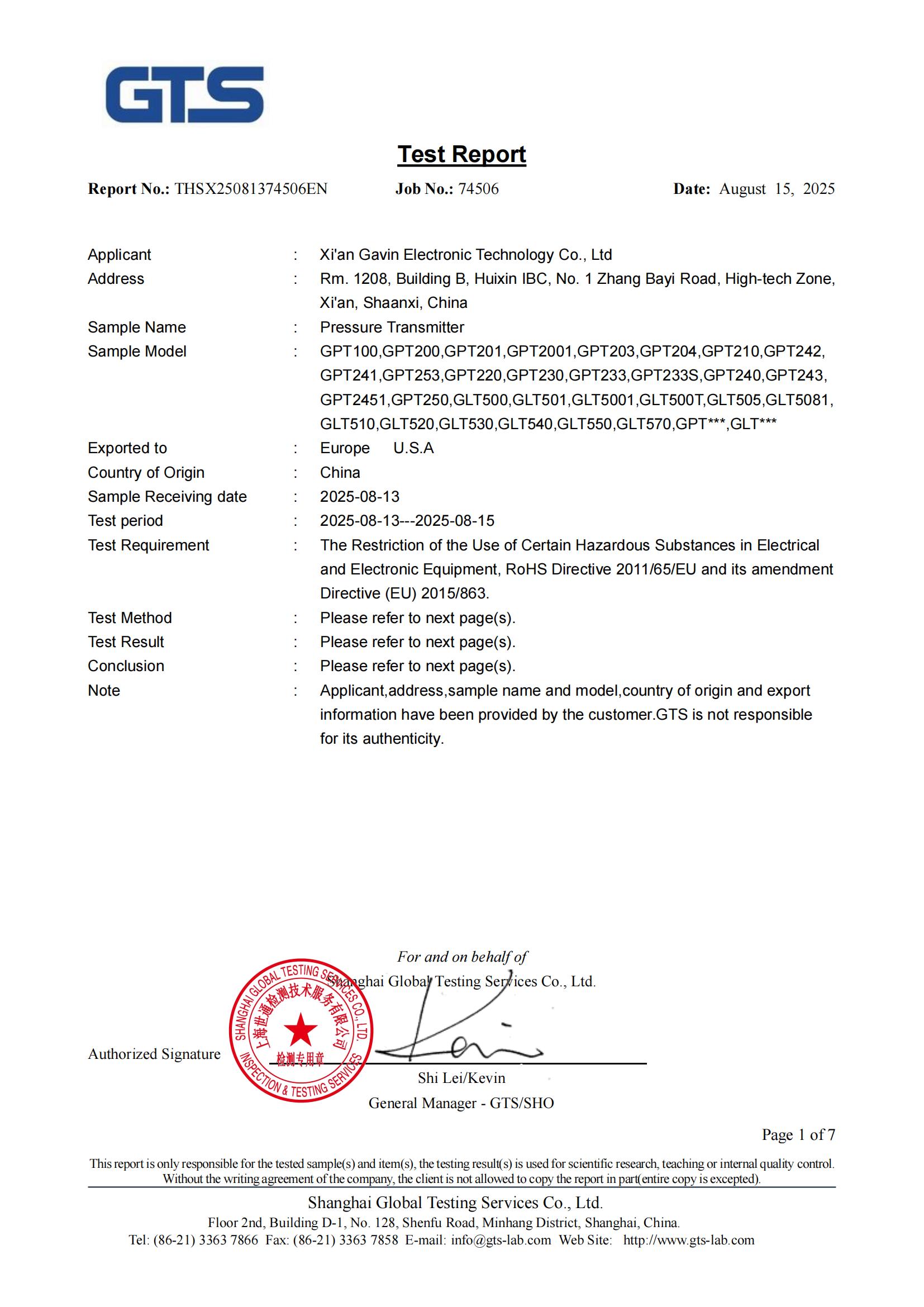
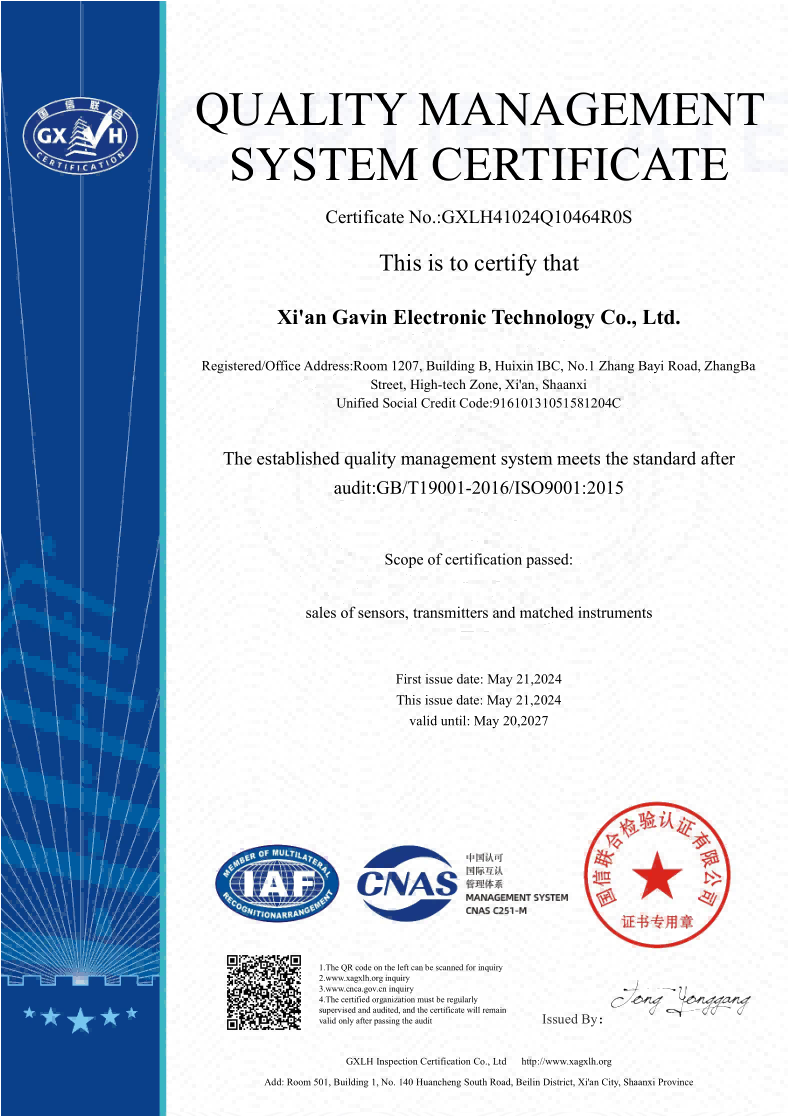
During the quote process, ask for specialized documents like material certificates, calibration data, and dimensional models. This information helps with quality checks after delivery and allows engineers to confirm the information before committing to buy. Check the quality systems and certifications of your suppliers, such as ISO 9001, to make sure that the production methods are always the same. GAMICOS puts a lot of emphasis on strict quality control and testing methods. Products are checked by measuring organizations to make sure they are accurate and reliable.
Troubleshooting and Maintenance Best Practices for Mechanical Fuel Level Gauges
To get the most out of your gauge's service life and measurement accuracy, you need to know about typical problems and set up preventative maintenance habits.
Diagnostic Approaches for Common Issues
Systematic fixing quickly finds the root causes when Mechanical Fuel Level Gauge numbers don't seem to be right. First, make sure that the process conditions meet the design specs for the gauge. Changes in fluid density can affect the buoyancy of the float and the accuracy of the indication. Extreme temperatures can make the chamber expand or shrink, which can move the display.
Check the external indicator unit for harm or mechanical problems. Along their whole length of travel, indicators should move smoothly, without getting stuck or being unable to move at all. Get rid of any dirt, dust, or process waste that has built up and could stop the indicator from moving. Make sure that the fixing nuts and flange joints are tight. Over time, vibration can loosen bolts, which could lead to misaligned chambers or process fluid leaks at connection points. These problems can be avoided by installing things correctly with the right seals and force levels.
Preventive Maintenance Protocols
Setting up regular check times keeps the accuracy of measurements and increases the gauge's useful life. During regular building rounds, visual checks find problems as they start to form before they get bad enough to affect measurements or pose a safety risk.
The following repair tasks are suggested:
- • Quarterly visual inspection: Check the movement of the indicators and the clarity of the readings every three months.
- • Annual chamber inspection: Check the chamber once a year for rust, buildup, or damage that needs to be fixed.
- • Biennial seal verification: Every two years, check the seal to make sure that the process links don't leak when the machine is running.
- • Periodic comparison checks: Checks for accuracy: Every so often, compare readings from a Mechanical Fuel Level Gauge to readings from other measuring tools to make sure they are still accurate.
Through corrosion-resistant materials and tight construction, the GLTV4's design reduces the amount of upkeep that needs to be done. Aluminum alloy housings and plastic signs can handle being outside for a long time without needing to be coated or cleaned often.
Replacement Parts and Procurement Channels
Keeping extra parts on hand for important measurement points cuts down on downtime when a part needs to be replaced. Float assemblies and indicator gears are the main extra parts for Mechanical Fuel Level Gauges, but because they last a long time, they don't need to be replaced very often. Set up ties with suppliers that will make sure parts are available when they are needed. Reputable makers keep extra parts on hand to support their goods for as long as they work. GAMICOS offers full after-sales support, including parts delivery, expert advice, and repair services, to make sure that installed gauge populations continue to work for a long time.
Conclusion
Whether you choose a mechanical or an electrical fuel level gauge relies on your needs, the environment, and your goals for lifetime costs. Mechanical Fuel Level Gauges are the most reliable, long-lasting, and easy to use gauges for situations where a visual sign is enough and the fact that they don't need power is a strategic benefit. The GLTV4 Mechanical Fuel Level Gauge is a good example of these benefits because it has an integrated design, is built to last 8–10 years, and doesn't need any electrical upkeep.
Electronic gauges are worth the extra work when they provide measured practical value through remote tracking, data integration, or higher accuracy. Instead of thinking that newer electronic solutions will automatically be better than tried-and-true mechanical designs, procurement pros get the best results by matching the features of technology to the needs of a particular application.
FAQ
How often do mechanical fuel level gauges require calibration?
How frequently do Mechanical Fuel Level Gauges need to be calibrated? Mechanical Fuel Level Gauges stay accurate because the float position and the indicator are physically connected. This gets rid of the calibration slip that happens in electronic systems. Checks that compare gauge values to known reference levels make sure that they stay accurate. These checks are usually done once a year or every other year, based on how important the application is. Electronic sensors need to have their parameters and spans re-calibrated, but Mechanical Fuel Level Gauges only need to make sure that the float's buoyancy and the movement of the sign stay within the limits.
Can electronic gauges retrofit onto tanks currently using mechanical gauges?
It is technically possible to add an electronic monitor after the fact, but you need to think about how to place it, where to get power, and how to connect it to the control system. Electronic sensors can be installed on Mechanical Fuel Level Gauge mounting flanges, but they need to be placed differently than on chamber-style Mechanical Fuel Level Gauges. The money spent on wiring, setting the control system, and regular upkeep should be justified by specific practical benefits that Mechanical Fuel Level Gauges can't offer.
What causes mechanical fuel level gauges to show inaccurate readings?
Most of the time, reading mistakes happen because of changes in fluid density that affect the buoyancy of the float, mechanical problems that stop the indicator from moving smoothly, or fitting problems like the chamber not being lined up correctly. If there is contamination in the process fluid that changes the specific gravity, the indicator will move away from the real amount. During the gauge's service life, it will keep working correctly as long as it is inspected and cleaned regularly and the running conditions are checked to make sure they match the design specs.
Partner with GAMICOS for Reliable Level Measurement Solutions
Mechanical Fuel Level Gauge options for commercial use that are both reliable and have a high lifecycle value are the specialty of GAMICOS. Our engineering team has a lot of experience with level measurement uses in the energy, chemistry, petroleum, and industrial automation fields. The GLTV4 Mechanical Fuel Level Gauge shows our dedication to measurement technology that doesn't need power and doesn't need much upkeep, even in the harshest conditions.
We know that sourcing managers and engineering workers need providers who can help with projects from the beginning, when they are just ideas, all the way through long-term operational support. GAMICOS offers full technical support, personalized OEM solutions, and quick after-sales service. We can do this because we have served clients in 98 countries around the world. Our team is ready to help you succeed whether you're looking for trusted suppliers to buy in bulk, selecting measurement solutions for new installations, or looking at other options to lower maintenance costs.
Discover how GAMICOS Mechanical Fuel Level Gauge options can give your business the dependability, sturdiness, and value it needs. Get in touch with our technical team at info@gamicos.com to talk about your unique application needs and look into customization options that will meet your business and purchasing goals.
References
1. Johnson, R.T. & Williams, M.K. (2021). Industrial Level Measurement: Technologies and Applications. Instrument Society Press.
2. Peterson, L.A. (2020). "Comparative Reliability Analysis of Mechanical and Electronic Level Gauges in Petroleum Storage Facilities." Journal of Industrial Instrumentation, 45(3), 178-195.
3. Thompson, D.G., Chang, H.S., & Martinez, E.F. (2022). Procurement Guidelines for Process Measurement Instrumentation. Engineering Management Publications.
4. Anderson, K.W. (2019). "Lifecycle Cost Analysis of Tank Level Measurement Systems." Process Engineering Economics Quarterly, 28(2), 67-84.
5. Roberts, S.J. & Chen, Y.L. (2023). Magnetic Level Gauge Design and Application Engineering. Technical Measurement Institute.
6. Miller, P.D. (2020). "Maintenance Optimization Strategies for Industrial Level Measurement Equipment." Plant Engineering and Maintenance Journal, 52(4), 112-128.

Ivy
Ivy, product consultant, has focused on sensor consultation for ten years, is proficient in providing pressure and level measurement solutions for customers.
We're here to help — submit your request anytime!
Let us know how we can help solve your pressure level measurement challenge.

_1757930850792.jpg)


Recommended Blog


What output signals do submersible level sensors typically provide?