Corrosion-Resistant Pressure Transmitters for Ballast Water
Understanding Marine Pressure Transmitters and Corrosion Challenges in Ballast Water Systems
- Understanding Marine Pressure Transmitters and Corrosion Challenges in Ballast Water Systems
- How to Choose Corrosion-Resistant Marine Pressure Transmitters for Ballast Water Systems
- Installation and Calibration Best Practices for Ballast Water Pressure Transmitters
- Advantages and Future Trends of Corrosion-Resistant Pressure Transmitters in Maritime Applications
- Conclusion
- FAQ
- Partner with GAMICOS for Your Marine Pressure Transmitter Needs
- References
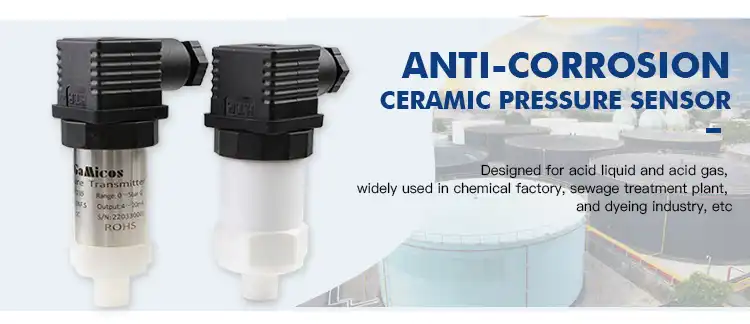
For managing bilge water, corrosion-resistant marine pressure transmitters are an important resource for marine activities. The marine pressure transmitter technology makes sure that tracking is accurate in harsh ocean conditions where other devices fail quickly. For work in ballast tanks, you need special tools that can handle being exposed to saltwater all the time, chemical treatments, and biological fouling while still measuring accurately. Choosing the right corrosion-resistant instruments has a direct effect on the safety of the vessel, its ability to meet regulations, and its long-term operating costs.
Understanding Marine Pressure Transmitters and Corrosion Challenges in Ballast Water Systems
When a ship is loading or dumping, ballast water systems keep it stable. To make sure the process is safe, the pressure must be constantly monitored. Standard instruments have a hard time working in ballast tanks because of the tough environment there. This is why you need special tools for solid performance.
Basic Function of Pressure Monitoring Equipment in Maritime Operations
Pressure measurement devices in ballast systems keep an eye on tank levels all the time. This lets team members make sure the system is working right and safely manage ballast operations. These instruments keep track of changes in pressure as the tank is filled, emptied, and ballast is exchanged. They also give important information for protecting the pumps and coordinating the valves. Pressure data are now part of centralized control systems on modern ships. This lets people on the bridge or in the engine control room keep an eye on things in real time.
Common Transmitter Types Used Onboard Vessels
Gauge pressure sensors are often used in maritime uses to compare tank pressure to the air pressure outside. Absolute pressure versions are used in specific situations where atmospheric correction is needed, and differential pressure instruments keep an eye on filter conditions and flow rates. Designs that are submersible can be put directly into ballast tanks, while designs that are flange-mounted can be attached to tank penetrations and installed outside the tank.
The Corrosive Nature of Ballast Tank Environments
When you mix saltwater absorption, chemical agents for controlling biofouling, air exposure during tank ventilation, and changes in temperature, you get a very unfriendly environment in ballast tanks. Chloride ions in seawater eat away at stainless steel alloys through pitting and crevice corrosion. Bacteria that break down salt speed up the breakdown when the metal is not moving. Treatment chemicals, like hypochlorite and copper compounds, add new ways for metals to rust, which breaks down common industrial tools within months.
Material Selection for Enhanced Corrosion Resistance
Careful material engineering is needed to fight sea rust. For mild exposure conditions, 316L stainless steel has a basic level of resistance. Duplex stainless steel types, on the other hand, have better salt resistance for more demanding uses. Hastelloy C-276 works very well in chemically cleaned ballast water, but it costs a lot more.
Titanium metals work very well in salt water and have great strength-to-weight ratios. Base materials can last longer with the help of special coats like electroless nickel and ceramic barriers. Tantalum or PTFE diaphragm covers keep sensor elements from coming into direct touch with media. This keeps internal parts safe while keeping measurement accuracy.
How to Choose Corrosion-Resistant Marine Pressure Transmitters for Ballast Water Systems
A thorough study of working needs, external conditions, and merging limitations is the first step to a successful purchase. This method makes sure that the chosen instruments work reliably for the whole time they are supposed to.
Defining Pressure Ranges and Environmental Parameters
Pressures in ballast tanks are usually between 0.5 bar and 10 bar, but ranges may need to be longer for larger tanks. To keep things from breaking down when conditions change quickly, overpressure safety should go up to at least 150% of the maximum working pressure.
marine pressure transmitter Temperature ranges must include changes in seawater from -2°C to 35°C, and shaking standards should take into account the closeness of the engine room and the movement of the ship. Marine environments have high amounts of humidity, which means that IP68 entry protection is a must. When ballast areas are next to cargo tanks that hold dangerous materials, explosion-proof permits are needed for the marine pressure transmitter.
Evaluating Accuracy and Communication Capabilities
For ballast operations, full-scale accuracy of ±0.5% is normal. Tighter limits make tank measurements more accurate, though. Response times of less than one second make it possible to handle pumps and sequence valves well. The choice of output signal strikes a mix between compatibility with current systems and the chance to add new features.
The normal output signal is 4-20mA analog, while digital protocols like HART, Modbus, and Profibus allow for more advanced diagnostics and calibration. Wireless technologies, like LoRa and cellular connection, can be used for retrofitting in places where wiring is hard to do.
Even though they cost more at first, new smart emitter features are worth looking into. Self-diagnostic features find sensor movement, link problems, and strange external conditions before they become problems. Remote setup cuts down on maintenance time and lets you change parameters without having to physically enter restricted areas. Data logging features keep track of changes in pressure over time to help with planning repair and showing compliance.
Comparing Established Brands and Emerging Alternatives
Global leaders in electronics offer tried-and-true methods that have been used for a long time in marine applications. Siemens pressure sensors work well with larger computer systems, while Endress+Hauser's designs are strong enough to be used in the navy. ABB makes versions for naval use that are more resistant to shock, and WIKA makes affordable versions that come with a lot of scientific information. These well-known sellers provide reliable service through global networks that help ships all over the world.
Specialized makers are competing more and more by making solutions that are suited to specific marine problems. GAMICOS has created marine pressure transmitters with modern materials that don't rust and transmission technologies that work best with ballast systems. Our engineering team works directly with builders and vessel owners to find solutions to installation problems and make sure systems work with each other, all while keeping bulk buying prices low.
Matching Transmitter Types to Application Requirements
Gauge pressure sensors are used for most ballast tank tasks. They measure pressure in relation to the surrounding atmosphere using simple two-wire links. Absolute pressure versions are good for uses that need to account for changes in atmospheric pressure or that work in protected systems. Differential pressure tools check the state of filters in ballast treatment equipment and let teams know when repair is needed. Submersible designs let you place the tank directly without using entry connections. This makes retrofitting easier and lowers the risk of leaks. Flange-mounted designs make it easy to do repairs and work with pipe systems that are already in place.
Installation and Calibration Best Practices for Ballast Water Pressure Transmitters
Using the right installation methods and regular testing routines will make your instruments more reliable and improve the quality of your measurements. Paying attention to safety measures during approval stops breakdowns before they happen and records the average performance.
Installation Techniques Minimizing Corrosive Exposure
Where you mount the emitter has a big effect on how long it lasts. Placing instruments above the highest level of liquid stops them from being submerged in liquid all the time while keeping the hydraulic link through impulse tubes. When underwater installation is needed, marine-grade potting solutions must be used to seal the wire openings.
Thread protectors should not use graphite or other materials that encourage galvanic breakdown. Stainless steel attachment gear that matches the material of the transmitter's body keeps different metals from touching each other. In humid ballast spaces, protective coats on cable glands and junction boxes add to the defenses against moisture.
To avoid measurement mistakes, impulse tube fitting needs to be done with great care. A steady rise from the emitter to the process link keeps liquid traps that cause pressure differences from happening. Supports for the tubing every 500 mm keep it from sliding, which can cause areas that hold sediment. Isolation valves let you take out an emitter without draining the system, but the quality of the valves directly affects how reliable they are. Block-and-bleed valves make it possible to check the balance without having to stop the process.
Calibration Protocols for Maritime Environments
During the initial starting testing, approved test equipment that meets national standards is used to set a baseline level of accuracy. For important tasks, deadweight tests offer primary-standard accuracy, while digital calibrators are portable and can be used for regular checks. Adjustments to zero and spread make up for installation effects like mounting direction and static pressure differences. Conditions in the room, the name of the test tools, and the mistakes that were measured at different pressure places across the working range should all be written down.
Regular recalibration keeps the accuracy of measurements high over the life of the device. Most battery applications only need to be checked once a year, but important systems that don't have backups should be checked every three months. Drift patterns recorded over several calibration rounds show patterns of wear and tear that require replacement before breakdowns happen. When receivers regularly show stable performance, calibration times may be lengthened. This lowers maintenance costs while still guaranteeing accuracy.
Troubleshooting Common Corrosion-Related Issues
Readings that aren't logical often mean that moisture is getting into electrical parts and damaging them. Desiccant breathers on junction boxes stop air from getting in, and conformal coating on circuit boards adds another layer of protection.
Corroded terminal links that need to be cleaned and treated to protect them can cause an unstable output signal. Progressive zero drift is a sign of diaphragm degradation from acidic attack, which means that the material should be upgraded when it needs to be replaced. Complete signal loss usually means that the insulation in the wire has broken down, which stresses the importance of choosing the right cables and directing them away from moving parts and sharp edges.
Advantages and Future Trends of Corrosion-Resistant Pressure Transmitters in Maritime Applications
Investing in high-quality instruments that don't rust gives businesses real operating benefits and sets them up to adopt new technologies. Knowing about these benefits helps you weigh the original costs against the total cost of ownership.
Tangible Operational Benefits
Longer service lives mean that parts don't need to be replaced as often, which saves money on installation work. In ballast uses, corrosion-resistant receivers usually last 10 to 15 years, while instruments that aren't covered well only last 2 to 3 years. Measurement stability gets rid of fake alarms that waste time and make people less aware of real system problems.
Reliable pressure data allows for better ballast operations, which lowers fuel use by controlling the trim more precisely. Compliance with regulations is easy to achieve when instruments stay calibrated between inspections. Finding pressure changes that could mean a system leak or blockage early on can make things safer before they get worse.
It's clear that the financial research supports good instruments. A marine-grade pressure sensor costs three times as much as a normal industrial unit but lasts five times as long. This saves 40% and gets rid of the need to put multiple repair units in tight areas. Less upkeep means that the expert staff has more time to do other things, and they don't have to keep as many extra parts on hand. Documented reliability meets insurance standards and classification society approvals without the need for expensive explanations for deviations.
Emerging Technologies Reshaping Marine Instrumentation
Wireless pressure sensors get rid of the need for cables, which drives up the cost of aftermarket installation. Monitoring can be done in places that don't have access to electricity with battery-powered tools that use LoRa or NB-IoT connectivity. Energy gathering from vibrations or differences in temperature means that the system will work for decades without any upkeep. GAMICOS was the first company to make wireless marine pressure transmitters that combine 4G cellular connection with solar charging. These transmitters allow tracking in real time from operations centers around the world that are located on land.

New covering technologies are pushing the limits of how well they prevent rust. At micron-scale layers, nanostructured ceramic coverings are very good at blocking chloride. Biofouling builds up and causes limited rust cells, but hydrophobic surface treatments stop this from happening. Self-healing coating systems have microcapsules that release rust inhibitors when the surface gets damaged. This protects the area even after the coating has been applied.
When pressure data is integrated with tank automation systems, it becomes information that can be used. Predictive programs look at patterns in pressure to find problems before they have a big effect on operations. Time-based methods are replaced by condition-based approaches for arranging upkeep. This cuts down on needless actions and stops unexpected breakdowns. Digital twin versions simulate how the ballast system works and report any unusual pressure readings so they can be looked into.
Procurement Strategies Maximizing Return on Investment
Negotiating big savings with manufacturers through bulk purchases ensures a steady supply for groups of more than one vessel. Standardizing the specs of transmitters used in similar situations makes extra parts easier to find and train crews faster. Extended guarantee plans show that people trust a product while putting the risk on the maker.
Things to think about in the supply chain include expected wait times, how to handle borders, and how to coordinate operations. Building ties with marine pressure transmitter providers that support operations around the world guarantees expert help no matter where the vessel is located. Partnerships that focus on long-term teamwork over one-time purchases open up chances for customization that meet specific business needs.
Conclusion
Corrosion-resistant marine pressure transmitters are the building blocks of effective ballast water management, which has a direct effect on the safety of the vessel, its working efficiency, and its ability to follow the rules. Choosing the right materials, installing them correctly, and keeping up with regular upkeep are what decide whether an instrument will last for years without breaking down or break down often and cost a lot.
Procurement experts have to weigh the initial investment against the total costs of ownership, and they also have to think about how new technologies are changing marine instruments. Companies can be successful in the long run in harsh offshore settings if they form partnerships with makers that offer marine-specific knowledge, the ability to customize products, and global support networks.
FAQ
What distinguishes pressure transmitters from pressure sensors in marine applications?
Pressure monitors send electrical signals that are related to the pressure that is being applied, but the signals need to be "conditioned" from the outside. marine pressure transmitters have sensors and electronics that make standard output signals like 4-20mA that connect directly to control systems. This makes them better for installation on ships because they require less wire and are less affected by noise.
How frequently should ballast system pressure transmitters undergo calibration verification?
Most classification societies require that calibration be checked once a year, and this keeps the measurement quality high in normal working circumstances. Verification every three months is helpful for vital systems that don't have multiple instruments or have to work in difficult circumstances. If receivers regularly show stable accuracy, a recorded performance history may support longer gaps.
Which corrosion-resistant materials provide optimal performance for ballast water service?
316L stainless steel is good for moderately exposed areas that are flushed with fresh water every so often. Duplex stainless steel types are better at resisting chloride when they are immersed in salt water for a long time. Even though it costs more, Hastelloy C-276 works very well with cleaning chemicals. Titanium metals are wonderfully compatible with saltwater because they are resistant to rust and have good strength-to-weight ratios. The choice of material should be based on the exposure factors and the budget.
Partner with GAMICOS for Your Marine Pressure Transmitter Needs
GAMICOS specializes in making pressure sensors that don't rust and are designed to work in harsh marine settings, such as ballast water control systems. Our tools are made with marine-grade materials, have improved finishes, and can join wirelessly for both new building and repair jobs. We can make transmission specifications, communication methods, and installation options that exactly fit your needs.
Our goods are used by customers in over 100 countries, and we offer full OEM/ODM services. Throughout the lifetime of an instrument, our expert support team helps with choosing the right product, integrating it into a system, and fixing problems. Contact info@gamicos.com to talk about your monitoring needs for the ballast system with experienced marine pressure transmitter makers who know how hard it is to work abroad and can help you find solutions that balance performance with budgets.
References
1. International Maritime Organization (2017). Guidelines for Ballast Water Management Systems Approval (G8). Maritime Safety Committee Resolution MSC.289(87).
2. NACE International (2016). Corrosion Control in Marine Environments: Materials Selection and Protective Systems. SP0108-2016 Standard Practice.
3. Det Norske Veritas (2019). Rules for Classification of Ships: Instrumentation and Automation Systems. DNV GL Maritime Rules, Part 4, Chapter 9.
4. Society of Naval Architects and Marine Engineers (2018). Marine Instrumentation and Control Systems: Design and Installation Practices. Technical and Research Bulletin 3-55.
5. American Bureau of Shipping (2020). Guide for Ballast Water Management Systems. ABS Engineering Guidelines for Marine Applications.
6. European Committee for Standardization (2015). Marine Equipment Directive: Pressure Measuring Instruments for Shipboard Use. EN 60092-504 Maritime Pressure Sensor Standards.

Eva
Eva specializes in bridging the gap between cutting-edge sensor technology and market needs. With 8 years of experience in industrial product marketing, she has successfully launched multiple sensor product lines—from pressure transmitters to fuel level sensor—into global markets.
We're here to help — submit your request anytime!
Let us know how we can help solve your pressure level measurement challenge.
_1757930850792.jpg)
Recommended Blog
Pressure Transmitter Uses in Water and Wastewater Treatment

Top Applications of Pressure Transmitters in Process Control
Best Pressure Transmitter for HVAC and Energy Systems
Pressure Transmitter Uses in Water and Wastewater Treatment
Top Applications of Pressure Transmitters in Process Control
Best Pressure Transmitter for HVAC and Energy Systems