ATEX & IECEx for Explosion-Proof Pressure Transmitters
Understanding Explosion-Proof Pressure Transmitters and Certification Standards
- Understanding Explosion-Proof Pressure Transmitters and Certification Standards
- Technical and Installation Insights: Ensuring Optimal Use of Explosion-Proof Pressure Transmitters
- Comparison and Selection: Choosing the Right Certified Explosion-Proof Pressure Transmitter
- Procurement and Supply Chain: Navigating Bulk Purchase and Logistics for Explosion-Proof Pressure Transmitters
- Conclusion
- FAQ
- Partner with GAMICOS for Certified Explosion-Proof Pressure Transmitter Solutions
- References
Standard instruments just won't work in industrial settings where there are dangerous gases, dust that can catch fire, or liquids that can evaporate quickly. There is a chance that an explosion could happen, but an explosion-proof pressure transmitter is designed to work safely in dangerous places. In contrast to regular pressure gauges, these specialized emitters have strong container designs, flame path engineering, and thermal management systems that keep internal sparks or heat from setting off flammable atmospheres around them. ATEX and IECEx certifications are the highest standards for proving this kind of protection. They make sure that these devices meet the strict international safety standards needed for use in petrochemical plants, pharmaceutical facilities, offshore platforms, and mining activities.

Understanding Explosion-Proof Pressure Transmitters and Certification Standards
What Makes Pressure Transmitters Explosion-Proof
The main difference between normal and hazardous-area-rated pressure sensors is how they are built to protect people. Standard devices can make electrical sparks when they work or when they don't, which can be very dangerous in places where deadly gas mixes are present. explosion-proof pressure transmitter versions deal with this in a number of technical ways, including flameproof housings that stop fires inside, fundamentally safe circuits that limit energy to levels that can't start a fire, and sealing methods that keep electronics out of dangerous environments.
These receivers keep the accuracy of the measurements while adding extra safety features. The walls of the cage are thick enough to stop heat transfer that would raise the temperature of the outside area above what is safe. Flame paths, which are carefully planned gaps where cable openings and covers meet, keep gases that are leaving during an internal explosion cool so they can't start fires in the outside atmosphere. With this careful planning, pressure can be measured in Zone 1, Zone 2, and other similar dangerous areas.
ATEX Certification Framework and Requirements
ATEX, which comes from the French "Atmosphères Explosibles," controls all of Europe's tools and safety systems that are meant to be used in possibly dangerous environments. Two guidelines are covered by the certification: ATEX 2014/34/EU for equipment makers and ATEX 1999/92/EC for safety at work. Zones are matched by equipment types (1, 2, or 3), with Category 1 items providing the best safety for long-term exposure to hazards.
To be ATEX compliant, you need to keep a lot of paperwork, like scientific files with design specs, risk assessments, and quality assurance processes. Notified groups test temperature class ratings, entry protection ratings, and security ideas very carefully to make sure they are correct. This "Ex" mark tells you the type of protection (d for flameproof, ia for intrinsically safe), the gas group compatibility, and the equipment group (I for mines, II for surface industries).
IECEx Certification Scheme and Global Recognition
The International Electrotechnical Commission Explosive (IECEx) method makes blast safety approval the same all over the world. IECEx is different from regional plans because it allows involved countries to recognize each other's standards. This makes foreign purchasing easier. The license covers services, tools, and staff skills, making a complete safety system.
IECEx licenses are based on international standards like the IEC 60079 series, which spell out how to protect things, how to test them, and how they need to be marked. Because of this uniform, engineering managers can choose tools that will meet the rules in more than one place. The scheme's quality assessment method checks the regularity of production by keeping an eye on the factory. This makes sure that compliance continues after the initial approval.
Why Certification Matters for Procurement Professionals
When choosing instruments for dangerous places, sourcing managers take on a lot of responsibility. Non-certified equipment puts workers' safety at risk, goes against government rules, and leaves companies open to potential trouble after an accident. If unapproved gadgets cause crashes, your insurance may not cover them anymore. When equipment fails inspection during licensing, it causes delays in the project, and the cost of replacing it is much higher than the money saved by buying options that don't meet standards.
Documented proof of compliance during regulatory checks is provided by certified explosion-proof pressure transmitters. They let workers finish projects on time and safely, without having to do any extra work. The approval marks provide instant proof during site checks, and the paperwork that goes with them meets the needs of engineering files. Creating relationships with sellers who always deliver approved goods lowers the risk of buying things and keeps project deadlines on track.
Technical and Installation Insights: Ensuring Optimal Use of Explosion-Proof Pressure Transmitters
Key Technical Specifications Influenced by Certifications
Explosion safety rules have a direct effect on explosion-proof pressure transmitter specs that go beyond basic measurement parameters. The temperature rating (T1–T6) tells us the highest temperature that the surface can reach when there is a fault. This limits the devices that can be used because of the burning temperature of the gases around them. The appropriate zone placement is shown by the equipment protection level (EPL): Ga/Da for Zone 0/20, Gb/Db for Zone 1/21, and Gc/Dc for Zone 2/22.
These are the main requirements that buying teams must look at:
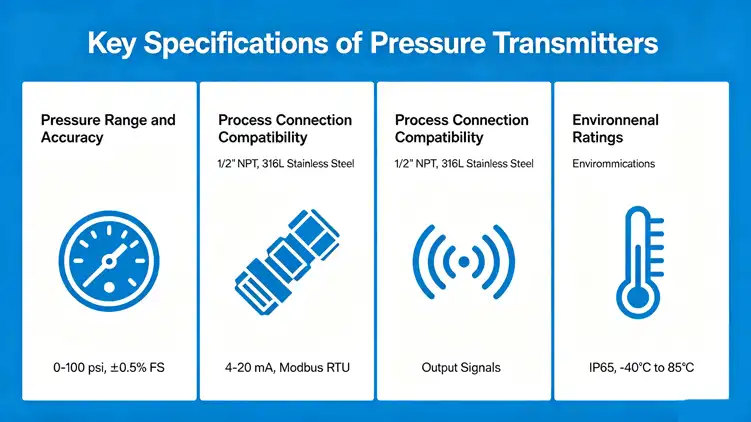
- Pressure Range and Accuracy: Certified receivers stay accurate within the range they are designed to work in even when they have extra safety features added. Usually, the range is from zero to 700 bar, and the highest-end types have accuracy classes of up to ±0.065%. weather adjustment makes sure that the system stays stable even when the weather outside changes, which is usual in outdoor setups.
- Process Connection Compatibility: Sanitary, threaded, and flanged connections must all keep their explosion safety integrity. Choosing the right materials, like 316L stainless steel, Hastelloy, or Monel, can handle acidic process media and still meet the strength needs for flameproof joints.
- Output Signals and Communication: 4-20mA analog signals are still used a lot, and digital contact is possible with HART, FOUNDATION Fieldbus, and Profibus PA protocols. Intrinsically safe circuits limit the amount of signal energy, so setups in the control room need to use suitable barriers or isolators.
- Environmental Ratings: Ingress Protection Ratings (IP66/IP67) keep gadgets safe from dust and water getting in. Extreme conditions in the Middle East and Arctic can use products with extended temperature values (-40°C to +85°C).
These requirements tell us if an emitter meets the needs of an application while still keeping its safety approval current. When you match technical requirements with approved capabilities, you avoid definition holes that hurt performance or compliance.
Installation Best Practices for Hazardous Areas
Installing things correctly has a direct effect on both how well they measure and whether they meet safety standards. Cable entry methods must protect the structure of the casing. When properly tightened, approved cable glands meet flame path standards. Using tools that aren't approved breaks maker guarantees and could make area classification useless.
Before installing receivers, installation teams should make sure that the zone description is correct. No matter how close the specs are, equipment rated for Zone 2 cannot be used instead of equipment rated for Zone 1. Depending on the mounting direction, the process connection closing and mist draining can be affected. For example, hanging something vertically with connections looking downwards stops moisture from building up in the cable openings.
When making electrical links, you need to pay extra attention. To keep the flameproof joint's integrity, the torque used to tighten the terminals must be exactly what the maker says it should be. Inherently safe circuits need to be physically separated from non-IS wiring. IS circuits can be told apart from non-IS wiring by their blue cables. Grounding links stop static electricity from building up, which could mess up fundamental safety formulas.
Maintenance Protocols and Troubleshooting
Both measuring precision and safety clearance are kept up by regular upkeep. At regular times, the enclosure's soundness should be checked for damage like rust, impact, or loose cover bolts. If the area is still being used, any breach that needs the fence to be opened must follow the steps for a hot work permit.
Some maintenance jobs are:
- Checking the state of the seal and how tight the wire gland is
- Checking process lines for rust or leaks
- Cleaning the enclosure's sides to keep dust from building up and making it harder for heat to escape
- Comparing output data to known standards for pressure
- Calibration findings must be recorded to meet quality system requirements.
Fixing numbers that don't make sense usually means finding damaged wire glands that let water in, not a broken sensor. When the estimated overpressure capacity is exceeded, pressure spikes can damage sense elements that don't have any obvious outward signs. Electrical noise that lowers the quality of a signal could mean that there isn't enough grounding or that the signal is close to a variable frequency drive.
When sensors need to be replaced, the same approval marks make sure that compliance stays the same. Area classification studies can be thrown out if different security ideas are used without an engineering review. Keeping a collection of extra parts in dry, temperature-controlled places is important for keeping testing and certification current.
Comparison and Selection: Choosing the Right Certified Explosion-Proof Pressure Transmitter
Protection Concepts: Flameproof vs. Intrinsically Safe
The right security method is chosen based on the needs of the application, the ability to perform upkeep, and the description of the zone. Flameproof (Ex d) explosion-proof pressure transmitters have strong cases that keep possible fires inside. This lets higher power circuits work for more advanced screens and diagnostics. The shelters can handle sudden changes in the pressure inside, and flame tracks cool gases that are leaving. This method works well for programs that need to show information locally or have complicated setup options.
Intrinsically safe (Ex ia/ib) designs limit the amount of electricity to values that can't start a fire when there is a fault. In safe areas, these emitters need to be paired with equipment (barriers or isolators) that stop energy from getting to the dangerous zone. Intrinsic safety lets maintenance be done in real time without a hot work permit, which keeps operations running smoothly. The drawback is limited power supply, which affects the range and usefulness of the transfer.
Encapsulation (Ex m) wraps electrical parts in resin, keeping them from coming into contact with a dangerous atmosphere. It works best for sensor heads that are in close touch with the process. When you compare these methods, you can see that each has its own benefits. For example, flameproof walls allow for full functionality, intrinsic safety makes upkeep easier, and containment allows for small designs for setups with limited room.
Evaluating Brands and Supplier Capabilities
Established makers have a lot of certifications and a track record of being reliable. European and North American names used to control this market, but Asian companies are starting to offer more affordable options with full licenses. When judging providers, you need to look at their certifications. For example, do they have both ATEX and IECEx certificates, or just area approvals?
In addition to certificates, you should also look at how well the seller can support modification. For OEM uses, process links that need to be changed, special materials, or custom communication methods are often needed. Suppliers who have their own engineering teams can make changes to standard goods while still keeping the approval valid by using maker statements or extra testing.
The level of technical help has a big effect on the total cost of ownership. Suppliers who offer application engineering help during selection, setup support during starting, and quick debugging cut down on downtime. For international projects that need regular help across areas, global service networks are important. Consistent lead times affect project schedules. Suppliers with stocking plans and variable production capacity can meet both pressing needs and large orders.
Selection Criteria for Procurement Success
There are a lot of things that need to be balanced in order to match emitter specs to application needs. Process control needs determine the level of accuracy needed. For example, easy overfill prevention can handle ±0.5% accuracy, but ownership transfer applications need ±0.065%. Long-term drift is shown by stability standards, which changes how often calibrations are done and how much they cost.
When judging durability, wetted material suitability with process chemistry, resistance to temperature cycles, and shaking tolerance are all things that are looked at. For uses with steam, cold fluids, or highly acidic media, special building is needed. This raises the cost of acquisition but keeps the product from breaking down too soon.
The total cost of ownership is more than just the price of the car. Check the need for calibration—transmitters that stay accurate without needing to be re-calibrated often save money on repair costs. A warranty that lasts between 3 and 5 years shows that the maker trusts the product's dependability. How long downtime lasts during failures depends on how many area service shops or factory repair programs are available.
Lead time affects project plans, especially when the designs are unique. Standard items can be sent out within a few weeks, but unique patterns need months to be designed, fabricated, and certified. Setting up basic deals with chosen suppliers makes sure that you get the best suppliers during times of high demand.
Procurement and Supply Chain: Navigating Bulk Purchase and Logistics for Explosion-Proof Pressure Transmitters
Sourcing from Verified Suppliers and Distributors
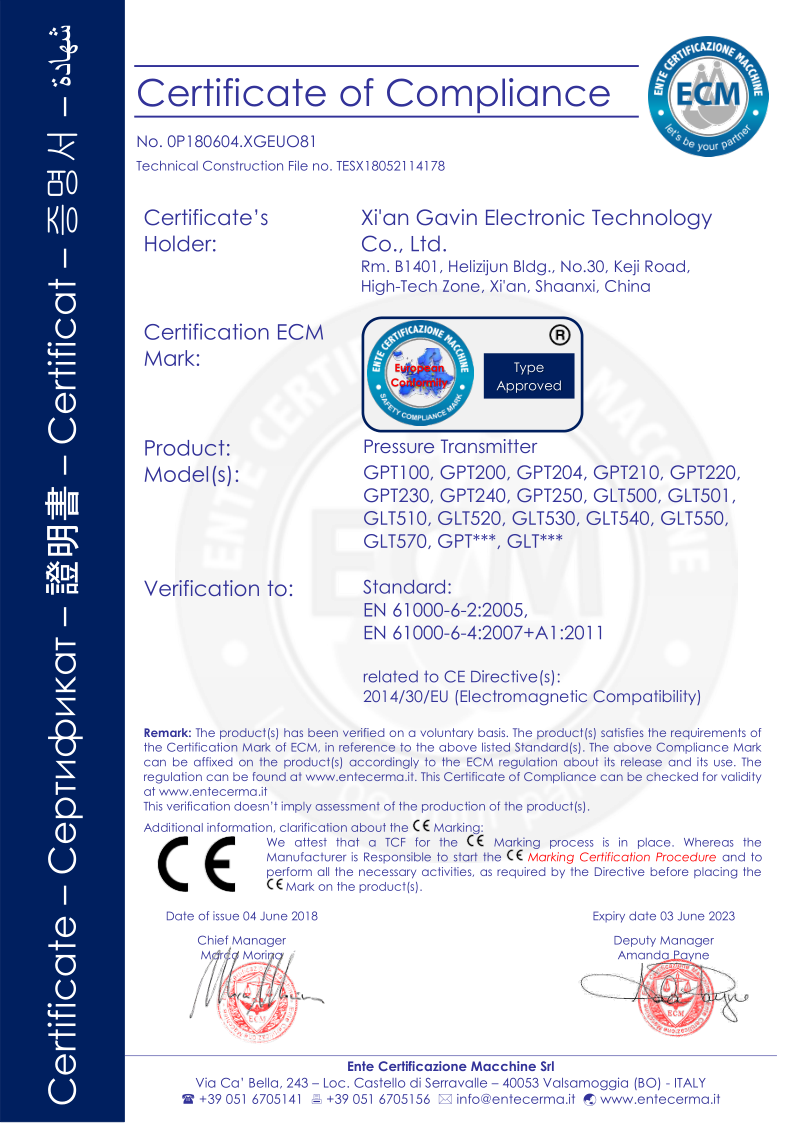
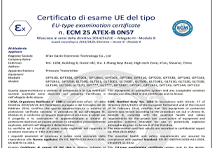
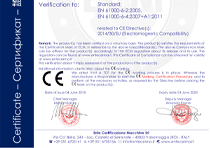
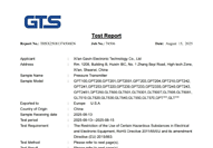
Finding explosion-proof pressure transmitter suppliers and distributors that have been checked out requires more than just looking at marketing. You can ask for copies of the certification papers, such as ATEX certificates from informed bodies and IECEx certificates from approved certification bodies. Check the validity of a certificate by using online records that are kept up to date by certification bodies. In low-cost areas, fake licenses sometimes show up, leaving businesses open to risk.
Distributors that are approved by producers sell real goods with legal guarantees. Authorization agreements make sure that things are stored properly, that the paperwork is real, and that people can get professional help. For big orders or OEM partnerships that need customization, direct maker relationships work best. Distributors, on the other hand, offer smaller orders with faster delivery for standard setups.
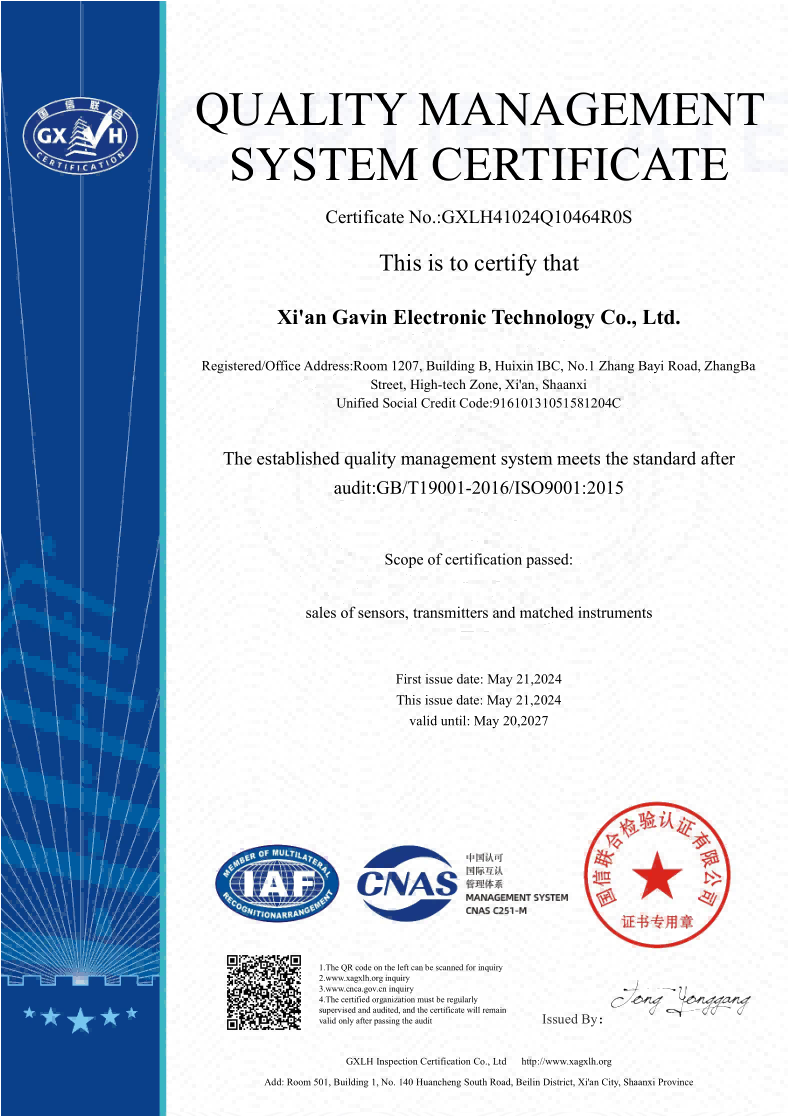
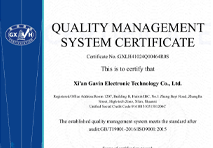
Certifications for quality management systems, like ISO 9001, should be looked at when evaluating suppliers. Audits of manufacturing facilities show how much can be produced, how advanced the testing equipment is, and how strict the quality control is. References from past customers can tell you a lot about how well delivery works, how reliable the product is, and how quickly help responds.
Pricing Analysis and Procurement Optimization
The price of an explosion-proof pressure sensor is based on how much it costs to get certified, what special production needs it has, and how well it works. Basic devices with flameproof safety and basic accuracy start at around $300 to $500. High-accuracy models with advanced diagnostics and multiple certifications cost around $1,500 to $3,000. Exotic materials and unique designs cost more than regular ones.
Volume prices usually start at 10, 50, or 100 units, and range from 10 to 25 percent off, based on the requirements. With annual purchasing deals, you can get better prices and be sure that your needs will be met. Framework contracts that promise a certain amount of volume in exchange for modified specs and logos are common in OEM partnerships.
Lead times depend on how complicated the setup is and how much resources the provider has. Items from our standard store usually ship within two to four weeks. Custom-engineered solutions, on the other hand, need eight to sixteen weeks for design, approval paperwork, and production. Asian makers usually have reasonable prices but longer wait times. European providers, on the other hand, offer faster shipping at a higher cost. Keeping these things in balance makes project costs and plans work better.
Logistics and After-Sales Considerations
When moving approved explosion-proof pressure transmitter gear, it needs to be handled carefully to keep its measurements and physical integrity. It is important to use padded packages and "fragile" handle labels for sensor elements that are sensitive to shock. Calibration certificates, material certifications for wet parts, and user guides with descriptions of certification markings must all be included with shipping.
International packages have to deal with customs rules and classes. Harmonized System numbers that are unique to explosion-proof pressure transmitters make it easier to get through customs. Under trade deals, certificates of origin may change the tax rates. Some places need local representatives to be registered before tools can be put into use, which means that you need to have relationships with distributors in key areas.
Usually, the warranty covers production flaws for 12 to 36 months after shipment. It does not cover misuse or poor installation, though. For important uses where the costs of downtime are higher than the insurance fees, you can get an extended protection. Make sure you understand the warranty's repair location rules. Downtime is longer for return-to-factory service than for on-site repair or advance replacement plans.
After-sales help includes expert advice, testing services, and the ability to get extra parts. Periodic renewal services are offered by suppliers who keep testing labs with approved tracking. Replacement parts programs make sure that radio parts are always available throughout the lifecycles of products, so they don't have to be replaced because they're no longer useful.
Conclusion
Buying explosion-proof pressure transmitters with the right ATEX and IECEx approval saves people, makes sure that rules are followed, and keeps operations running in dangerous industrial settings. Safety and efficiency are improved by understanding security ideas, checking the skills of suppliers, and following the right installation procedures.
As wireless connection and predictive diagnosis make technology better, approved receivers play a bigger role in digital transformation projects while still meeting strict safety standards. When sourcing managers work with experienced suppliers who offer full customization, reliable delivery, and quick technical support, they gain a competitive edge through better purchasing strategies and lower total costs of ownership.
FAQ
What pressure types can explosion-proof transmitters measure?
How many different kinds of pressure can explosion-proof pressure transmitters read? These devices can read gauge pressure (which is based on atmospheric pressure and shows positive or negative values depending on the environment), absolute pressure (which is based on a vacuum and gives readings below atmospheric pressure), and differential pressure (the difference between two pressure points and is often used to monitor filters and measure flow).
How do ATEX and IECEx certifications differ for purchasing decisions?
Equipment sold in the European Union must have ATEX certification. On the other hand, IECEx approval is recognized internationally by involved countries such as Australia, Brazil, and many Asian countries. Transmitters with both licenses give global projects and international businesses the most options.
What maintenance can be performed on explosion-proof transmitters in hazardous areas?
Because their energy-limited circuits can't start a fire, intrinsically safe emitters can be used for live repair like wire changes and setup adjustments. If you open a flameproof cage while the area is still working, you have to follow hot work procedures. However, you can do regular things like exterior inspections, wire checks, and signal tests.
Partner with GAMICOS for Certified Explosion-Proof Pressure Transmitter Solutions
GAMICOS provides complete explosion-proof pressure transmitter systems that are backed by international certifications and years of experience in the field. Our engineering team works with sourcing managers, project engineers, and automation experts to come up with the best combinations for uses in energy, food processing, petrochemicals, and pharmaceuticals. We can handle a wide range of project needs, from standard stock devices to fully customized modules with unique process connections, communication protocols, and certification packages. Our manufacturing skills allow for both high-volume production and open OEM/ODM customization.
We can do more than just deliver products as an explosion-proof pressure transmitter provider. We can also help with application planning, testing, and ongoing expert advice. Tough quality control methods make sure that the same level of service is provided all over the world, including in North America, Europe, the Middle East, and the Asia-Pacific area. Get in touch with our team at info@gamicos.com to talk about your unique application needs, get full technical specs, and find out how our approved pressure measurement solutions can improve safety and efficient excellence in your dangerous area installs.
References
1. International Electrotechnical Commission. (2020). Explosive Atmospheres - Part 0: Equipment - General Requirements. IEC 60079-0:2017+AMD1:2020.
2. European Committee for Standardization. (2018). Equipment and Protective Systems Intended for Use in Potentially Explosive Atmospheres - Directive 2014/34/EU Implementation Guide. CEN-CENELEC Management Centre.
3. Nailen, R.L. (2019). Explosion-Proof and Dust-Ignition-Proof Electrical Equipment: Selection, Installation, and Maintenance. Institute of Electrical and Electronics Engineers Press.
4. American Petroleum Institute. (2021). Pressure-Relieving and Depressuring Systems - API Standard 521. API Publishing Services, 7th Edition.
5. Instrumentation, Systems, and Automation Society. (2020). Installation of Intrinsically Safe Instrument Systems for Hazardous Classified Locations - ANSI/ISA-60079-14. ISA Standards and Practices Department.
6. Summers, A.E. (2018). Hazardous Area Classification and Control of Ignition Sources. Journal of Loss Prevention in the Process Industries, Volume 54, pp. 154-167.

Halen
With over 12 years of experience in fluid sensing technology, Halen specializes in helping clients select and optimize oil level sensors for a wide range of industries—including automotive, marine, heavy machinery, and energy.
We're here to help — submit your request anytime!
Let us know how we can help solve your pressure level measurement challenge.
_1757930850792.jpg)
Recommended Blog

Pressure Sensor VS Pressure Transmitter: Are They the Same Thing?