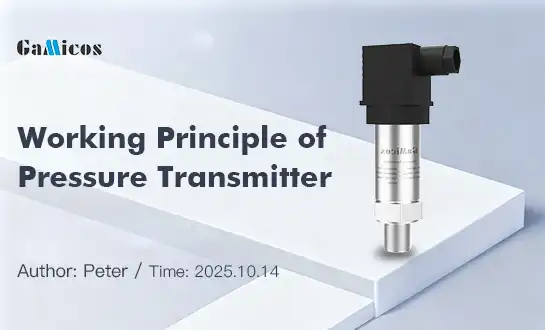
Pressure Sensor Safety Installation Guide
Understanding Pressure Sensor Safety Fundamentals
- Understanding Pressure Sensor Safety Fundamentals
- Preparing for Pressure Sensor Safety Installation
- Step-by-Step Pressure Sensor Installation for Safety Applications
- Maintaining and Verifying Pressure Sensor Safety Over Time
- Procurement Considerations for Pressure Sensor Safety Solutions
- Conclusion
- FAQ
- Partner with GAMICOS for Pressure Sensor Safety Solutions
- References
For starters, it's important to know that pressure sensor safety is the first line of defense in workplace settings, finding dangerous pressure situations before they cause damage to equipment or injuries to people. When placed correctly, pressure sensors become essential parts of safety systems. They constantly check the conditions of the process and immediately take action when parameters move out of safe working ranges. Working with thousands of industrial facilities in the energy, chemical, pharmaceutical, and oil and gas industries has taught us that properly installing and configuring sensors can make all the difference between a safety system that works and one that fails in a big way.
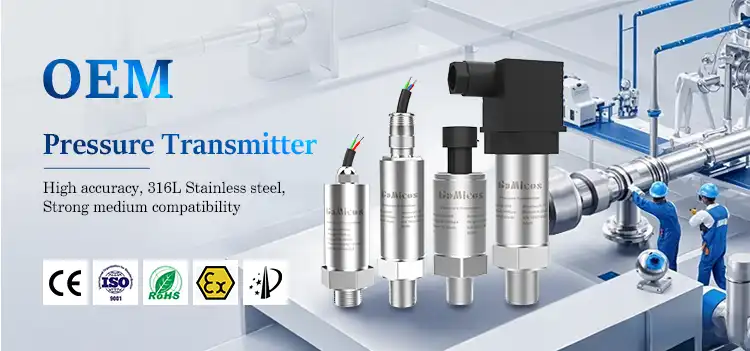
Understanding Pressure Sensor Safety Fundamentals
Defining Pressure Sensor Safety in Industrial Operations
Pressure sensor safety is the process of systematically incorporating devices that measure pressure into safety systems in the workplace to avoid major accidents. These sensors work by picking up on force that is applied to a certain area and turning it into electrical signs that are instantly understood by safety systems.
Safety-rated pressure sensors are different from regular tracking equipment because they are built with fail-safe principles. This means that if the power goes out or a part fails, the sensors automatically go to a safe state. When compared to facilities that only use mechanical protection devices, those that use complete pressure sensor safety measures have up to 40% fewer unexpected shutdowns.
Essential Safety Features and Compliance Standards
Pressure sensors that are safety-rated must meet strict international standards, such as SIL (Safety Integrity Level), ATEX (for dangerous atmospheres), and IECEx certifications. SIL scores go from SIL 1 to SIL 4, with higher numbers showing more dependability in stopping dangerous events. Most industrial uses need sensors with a SIL 2 or 3 rating, which means they have been shown to have failure rates below certain levels, directly contributing to pressure sensor safety. Because they are so stable and don't get messed up by their surroundings, capacitive ceramic pressure sensors have become industry standards for safety uses. They can measure pressure with an accuracy of ±0.1% full scale.
Integration with Preventive Maintenance Strategies
By collecting constant working data, modern pressure sensors make predicted repair possible. Advanced sensors use ceramic diaphragm technology that changes shape based on applied pressure. This causes changes in capacitance that can be measured between electrodes. This system lets maintenance teams find patterns of slow drift that show sensor degradation a long time before the sensor fails completely. When these sensors are linked to CMMS (Computerized Maintenance Management Systems), they let workers know right away if pressure readings go beyond certain safety limits. This lets them take action before things get dangerous.
Preparing for Pressure Sensor Safety Installation
Evaluating Site Conditions and Environmental Factors
For placement to go smoothly, the working conditions where the sensors will be used must be carefully studied. Extreme temperatures, shaking levels, exposure to chemicals that break down metal, and electromagnetic interference can all affect how well and how long a sensor works. Before choosing a specific sensor type, you should write down the temperature ranges, process fluid properties, and sound levels that will be used. Specialized sensor housings and wetted materials are needed in places where temperatures are higher than 125°C or where harsh chemicals are present. Knowing these factors stops sensors from breaking down too soon and keeps the safety system's integrity throughout the equipment's duration.
Selecting Appropriate Sensor Technology
Different uses have very different pressure measurement needs, from tracking low pressure at 1 bar (14.5 psi) to high pressure systems over 1,000 bar (14,500 psi). Ceramic capacitive pressure sensors are very accurate and can handle this wide range of pressures well. Which analog output sensors (4-20mA), digital communication methods (HART, Modbus), or wireless transfer (LoRa, GPRS, NB-IoT, 4G) to use relies on the infrastructure that is already in place and how the data needs to be managed. Wireless pressure sensors are being used more and more in places where standard wire isn't realistic or is too expensive, like watching pipelines from afar and having multiple tanks spread out.
Verifying Supplier Credentials and Certifications
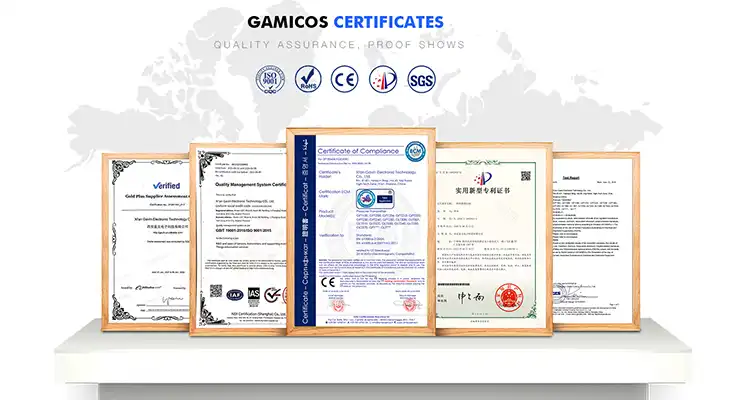
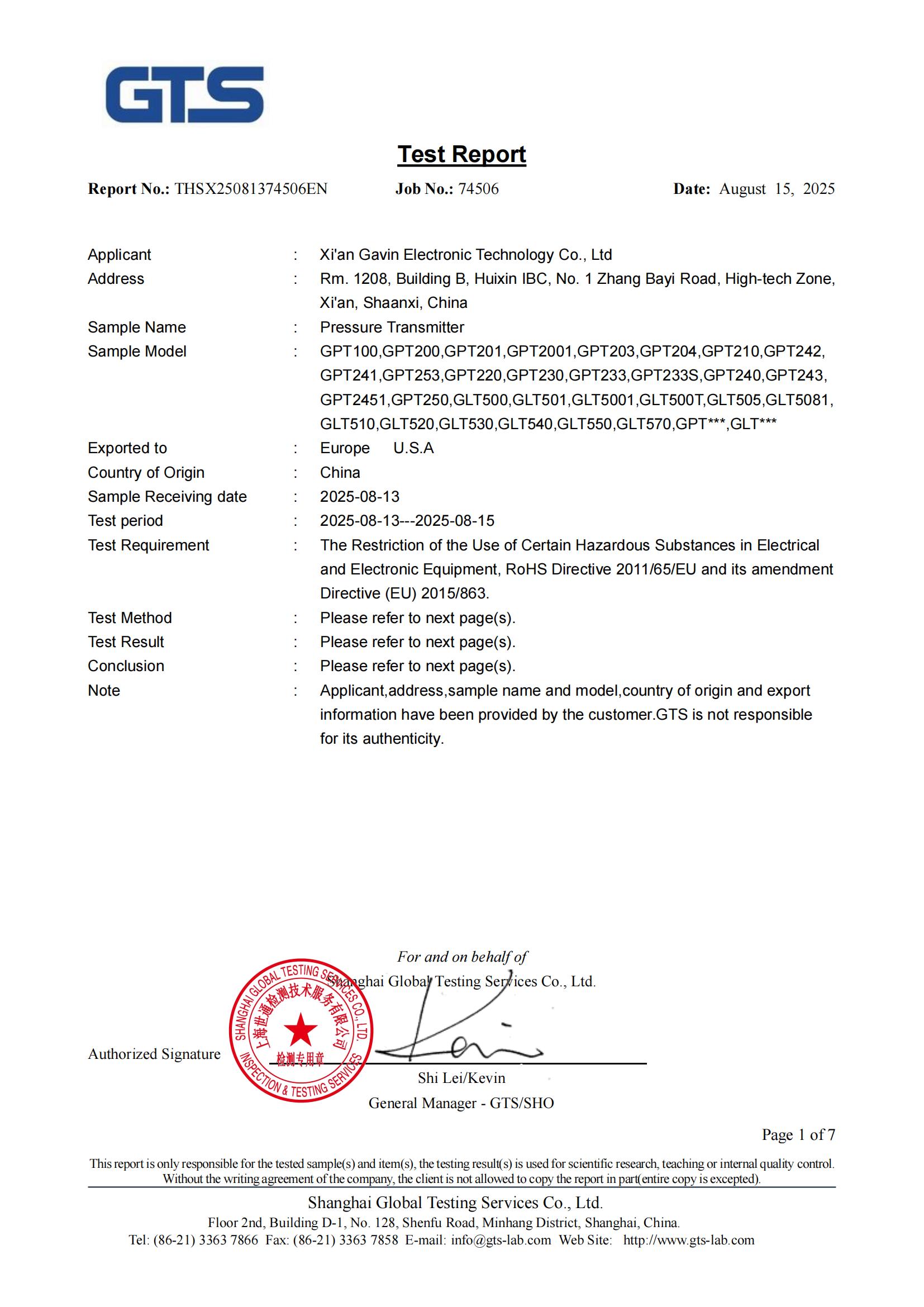
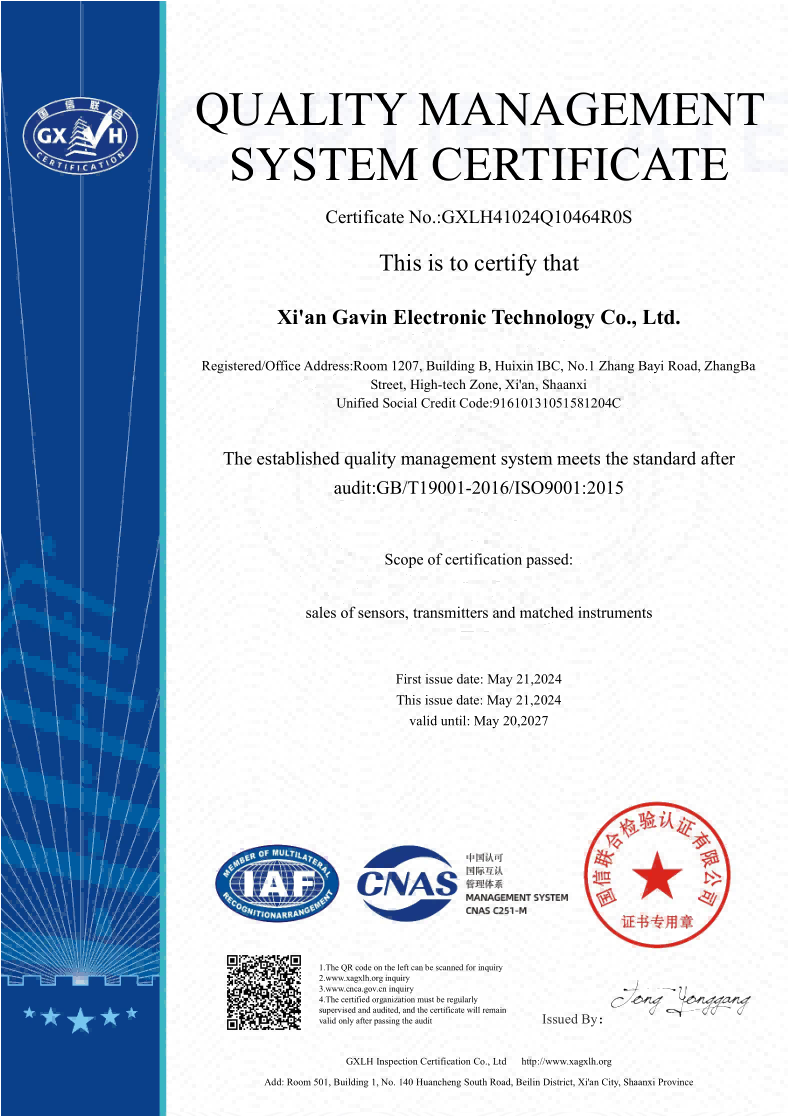
Teams in charge of buying things must make sure that pressure sensor safety and companies that make sensors have good quality control systems in place. As a minimum, ISO 9001 approval is usually enough. Official paperwork should be used to check for qualifications specific to the product, like CE marks, RoHS compliance, and explosion-proof scores. We always suggest asking for calibration certificates that can be traced back to national measurement standards, guarantee terms that make it clear how long the service lasts, and the ability to get expert help. For projects that need non-standard pressure ranges, process links, or custom communication methods, suppliers that offer full OEM/ODM design services are very helpful.
Step-by-Step Pressure Sensor Installation for Safety Applications
Planning Installation According to Safety Targets
Before the actual installation starts, make sure there are clear safety integrity goals that spell out the allowed failure rates. During this part of planning, you should look at papers that describe the process hazards, the design of the safety instrumented system (SIS), and the times that are needed for safety stop steps. Installation teams need thorough P&ID (Piping and Instrumentation Diagrams) that show where the sensors are, where the isolation valves are, and where the connection points are. Plan when to put things around when processes are shut down to avoid adding risks during setup.
Optimal Sensor Placement and Mounting Techniques
Location of the sensor has a big effect on how accurate measurements are and how quickly they respond. Instead of putting sensors at the end of long impulse lines that cause lag time and possible blockage places, mount them directly on the process equipment.
The sensor element should touch the process medium so that there is no flow turbulence or cavitation that could throw off the readings. Use the fixing tools that the maker suggests to keep the sensor diaphragm from getting mechanical stress from moving pipes. Thread seals need to be able to work with both process fluids and sensor materials so that the ceramic sensitive element doesn't get messed up.
Electrical Wiring for Fail-Safe Operation
In setups in dangerous areas, electrical links must follow fundamental safety rules. To keep electromagnetic radiation from messing up your signals, use insulated wires and make sure they are properly grounded. When moving wires, they should stay away from high-voltage power lines and variable frequency drives that make noise. Installations that meet safety standards usually use two sets of sensors with different wiring lines. This way, if one route breaks, the system can still work. Terminal connections need the right amount of pressure to keep the contacts from coming loose and to avoid damaging the threads, which would make the closing less effective.
Initial Commissioning and Calibration
Starting with zero and span changes that match the sensor output to the real process conditions is how commissioning starts. Use standardized test tools to apply known pressure values and check the sensor's reaction across its full working range. Write down basic performance information, such as response time, uniformity, and feedback. Functional safety testing should include failure scenarios that show how safety systems should react to sensor faults. This paperwork is needed for checks of legal compliance and for fixing performance problems in the future.
Maintaining and Verifying Pressure Sensor Safety Over Time
Routine Inspection and Performance Monitoring
Based on what the maker says, set up inspection plans that range from eye checks every three months to working tests once a year, all to maintain pressure sensor safety. Modern digital sensors have built-in tests that let you know about drift, electricity problems, or process oddities before they affect safety functions. Watch the output signals to make sure they are stable. Patterns of slow shift often show that the diaphragm is breaking down or an electrical part is getting old. We discovered that facilities that use monthly automatic diagnostic reviews catch sensor decline 60% earlier than those that only do human testing once a year.
Troubleshooting Common Installation Issues
When sensors that are affected by gravity's effects on the sensing diaphragm are mounted in the wrong way, they give wrong readings. Signal noise or numbers that don't make sense are signs of electrical interference. To fix this, cables need to be better shielded or route needs to be changed. When process fluid builds up on sensor diaphragms, especially when the fluid contains thick or crystallizing materials, it forms insulation layers that make the sensor less sensitive. Impulse line blockages from hardened process material cause measurement lag or signal loss all together. In tough situations, these clogs can be avoided by regularly cleaning and heat tracing.
Updating Systems to Meet Evolving Standards
As new ways of evaluating risk come out, industrial safety standards are always changing. Facilities must check sensor setups on a regular basis against the latest IEC 61508 and IEC 61511 rules and make any necessary changes to the settings. As technology improves, sensors may need to be upgraded. For example, portable pressure sensors with batteries that last longer than five years can now be used instead of hard-wired installs in rural areas. Recalibration intervals should be based on how important the process is and what the regulations say they have to be. For safety-critical uses, these intervals should be every year, but some stable processes can allow longer ones with proper paperwork.
Procurement Considerations for Pressure Sensor Safety Solutions
Evaluating Supplier Capabilities and Reliability
B2B purchasing choices include more than just the specs of the product. They also include how reliable the seller is and how likely they are to be a long-term partner. Check out vendors based on their ability to handle large orders, their consistent wait times for both new purchases and repair parts, and the quality of their expert help throughout the lifespan of a product. Suppliers with their own tech teams can help with choosing sensors, fixing problems with applications, and making unique configurations. We value relationships with makers that keep a full inventory. This way, we can quickly get new parts and keep safety systems running when something goes wrong.
Standard Products versus Custom Configurations
For about 80% of industrial uses, off-the-shelf pressure sensors work well, are easy to find, and have been proven to be reliable. Customized solutions that are made to fit specific needs are helpful for complicated processes that use high temperatures, chemicals that break down things, or wide ranges of pressures.
OEM partnerships make it possible for pressure measuring units to be built into custom-made machines that have their own communication methods, mechanical connections, and testing ranges. For projects with hundreds of sensors, it's often worth it to use unique setups that improve speed and lower total ownership costs, even if they require more engineering work at the start.
Strategic Bulk Purchasing and OEM Partnerships
Large-scale manufacturing and marketing projects can save money and be sure they will always have supplies when they sign large buying deals. Talk about terms like minimum order amounts, shipping times that work with project goals, and warranties that cover all of the sensors. Value is added by OEM partnerships that allow co-development of sensors that are specifically designed for a given application, exclusive marketing rights for certain markets or industries, and technical training to make sure the right way to use the product is implemented. These agreements help wholesalers and equipment makers stand out from the competition and ensure stable supply lines for safety-critical parts.
Conclusion
Real-time tracking and instant danger warning are two ways that proper pressure sensor safety installation saves industrial processes. For success, you need to know basic safety rules, do a lot of planning that takes into account the surroundings, carefully put things using best practices, and keep up with upkeep to make sure they keep working well for a long time.
Instead of price alone, procurement teams should look at a supplier's certifications, professional skills, and possibility for a relationship. As factory automation improves, pressure sensors with built-in wireless connection and improved analysis will make safety systems even more useful. The operating efficiency, regulatory compliance, and worker safety of facilities that prioritize complete pressure sensor safety procedures are always higher than those that treat sensors as market components.
FAQ
How do pressure sensors enhance industrial safety?
Pressure sensors constantly check the conditions of the process and find dangerous changes in pressure before they break equipment or let out product. These gadgets turn changes in pressure into electrical signals that safety systems can understand. Within milliseconds, these signals set off automatic shutdowns, alarms, or corrective actions. This real-time tracking feature stops problems that mechanical relief devices can't handle by themselves, like slow pressure buildsups or sudden events that need instant action.
What certifications should I verify when purchasing safety-rated pressure sensors?
Safety Integrity Level (SIL) approval shows that the sensor meets certain failure rate standards. For workplace safety uses, SIL 2 and SIL 3 are the most common levels. ATEX and IECEx approvals show that the product is safe for use in dangerous environments. Having ISO 9001 quality control certification means that the producing process is uniform. Conformity with regulations in foreign markets is ensured by CE marking and RoHS compliance.
How frequently should pressure sensors undergo maintenance and recalibration?
For safety-critical uses, calibration checks should be done once a year, and the results should be kept for regulatory audits. With performance data to back it up, times can be pushed to 18 to 24 months for sensors that are in safe, non-corrosive settings. Diagnostic monitoring once a month using built-in sensor intelligence finds wear and tear early, allowing condition-based maintenance instead of set plans. Recalibrate right away after any repair work, process change, or sensor movement that affects the accuracy of the measurement.
Partner with GAMICOS for Pressure Sensor Safety Solutions
The approved pressure sensor safety options from GAMICOS are made for tough industrial settings in the oil, chemical, pharmaceutical, and energy industries. Our engineers have years of experience helping sourcing managers, project engineers, and automation experts set up safe, effective pressure tracking systems that meet strict safety standards.
We make pressure sensors that can measure pressures from 1 bar to 1,000 bar. They use ceramic capacitive technology to get an accuracy of ±0.1% and very good long-term consistency. Each sensor goes through strict tests and comes with a calibration proof that can be tracked back to international standards. This makes sure that it meets the requirements of SIL, ATEX, CE, and RoHS.
Get in touch with our team right away at info@gamicos.com to talk about your pressure sensor safety needs. You can count on GAMICOS as your reliable pressure sensor safety maker, whether you need a few sensors to upgrade your equipment or a lot of them for big projects. They offer high-quality goods at low prices and will work with you to make sure your safety systems work perfectly. We can help you protect your buildings, employees, and operations by using tried-and-true pressure measurement tools.
References
1. International Electrotechnical Commission. "IEC 61508: Functional Safety of Electrical/Electronic/Programmable Electronic Safety-related Systems." Geneva: IEC Standards, 2010.
2. Smith, D.J. and Simpson, K.G.L. "Safety Critical Systems Handbook: A Straightforward Guide to Functional Safety, IEC 61508 and Related Standards." Oxford: Butterworth-Heinemann, 2016.
3. Liptak, B.G. "Instrument Engineers' Handbook: Process Measurement and Analysis, Volume 1, Fifth Edition." Boca Raton: CRC Press, 2016.
4. American Petroleum Institute. "API RP 550: Manual on Installation of Refinery Instruments and Control Systems, Part I—Process Instrumentation and Control." Washington: API Publishing Services, 2014.
5. European Committee for Standardization. "EN 50495: Safety Requirements for Pressure Measuring and Controlling Equipment Used in Safety-Related Applications." Brussels: CEN Standards, 2010.
6. Webster, J.G. "The Measurement, Instrumentation and Sensors Handbook on CD-ROM." Boca Raton: CRC Press, 2017.

Spring
Spring, With 5 years of experience in sensor technology and product development, Mark specializes in helping clients identify the optimal pressure and level sensor solutions for demanding industrial environments。
We're here to help — submit your request anytime!
Let us know how we can help solve your pressure level measurement challenge.
_1757930850792.jpg)


Recommended Blog

Why High Stability Pressure Transmitters Are Key to Accurate Monitoring?
Why High Stability Pressure Transmitters Are Key to Accurate Monitoring?
Differential vs. Absolute Pressure Sensors: Key Differences
Differential vs. Absolute Pressure Sensors: Key Differences