Sanitary Pressure Transmitters in Beer Fermentation
Understanding Sanitary Pressure Transmitters in Beer Fermentation
- Understanding Sanitary Pressure Transmitters in Beer Fermentation
- Key Performance Factors and Calibration for Sanitary Pressure Transmitters
- Comparing Sanitary Pressure Transmitters: Choosing the Right Solution for Beer Fermentation
- Procurement Considerations for Sanitary Pressure Transmitters in Beer Fermentation
- Case Studies and Practical Insights: Sanitary Pressure Transmitters in Action
- Conclusion
- FAQ
- Partner with GAMICOS for Reliable Sanitary Pressure Measurement Solutions
- References
Sanitary pressure transmitters are important tools for modern brewing because they keep the highest standards of cleanliness while monitoring pressure inside fermentation tanks. These special tools keep the product safe by keeping it from getting contaminated during important brewing stages, when even small changes in pressure can hurt the quality of the beer. Choosing the right sanitary pressure measurement option during the brewing process has a direct effect on the stability of the product, compliance with regulations, and operating efficiency for procurement managers, engineers, and wholesalers in the beverage industry.
Understanding Sanitary Pressure Transmitters in Beer Fermentation
Beer fermentation is a complex biological process in which yeast changes sugars into alcohol and carbon dioxide under controlled conditions of pressure. It is very important to keep precise pressure control in fermentation tanks in order to get the flavors and carbonation levels you want and to avoid contamination that could ruin whole batches.
What Makes Pressure Transmitters "Sanitary"?
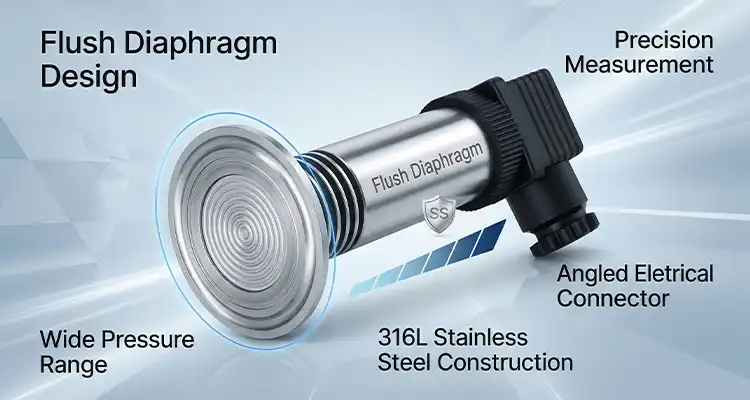
Because of their hygienic design features, sanitary pressure transmitters are completely different from regular industrial devices. The FDA-approved 316L stainless steel used to make these tools is used to make their smooth, non-porous surfaces that don't let bacteria hide. Because there are no empty areas in the flush diaphragm design, they can work with the Clean-in-Place (CIP) and Sterilize-in-Place (SIP) methods that breweries use to keep things clean between production runs. Sanitary pressure transmitters are different from regular ones because they use special closing methods and food-grade materials that meet strict industry standards for direct product touch.
This way of thinking is shown by the GAMICOS GPT210 Sanitary Flat Diaphragm Pressure Transmitter. Its flat diaphragm directly picks up pressure signals through a silicon pressure core that is spread out. Standardized silicon oil or olive oil is used as the transmission medium. The measure end has a flush diaphragm that has been treated with a special welding process. This makes sure that no product gets stuck during cleaning rounds. This design method meets both the need for exact measurements and complete cleanliness in the beverage business.
How Sanitary Transmitters Function in Brewery Environments
During fermentation, brewers must constantly check the pressure in the vessels to make sure they don't get too high and damage the tanks or too low and stop the yeast from working. Usually, sanitary pressure transmitters are put in key spots on fermentation vessels, bright beer tanks, and carbonation systems. The flush-mounted diaphragm comes into direct touch with the beer or CO2 atmosphere. It senses changes in pressure, which are turned into electrical signs by the silicon sensor. Then, these signals are sent to control systems using different output protocols. This lets them watch in real time and set the pressure release valve to open automatically when certain levels are reached.
Applications Across the Brewing Process
Hygienic pressure transmitters are important for many parts of the brewing process, not just the fermentation tanks. Precise pressure measurement during carbonation makes sure that the CO2 dissolves evenly so that the foam and taste are just right. Pressure sensors watch how bottle fillers work on packaging lines to make sure they don't overfill or underfill. Pressure tracking is even used in CIP systems to make sure that cleaning solutions are moving at the right levels for proper sanitation. Because they are used at so many stages of the process, sanitary pressure transmitters are essential for keeping quality high from grain to glass.
Key Performance Factors and Calibration for Sanitary Pressure Transmitters
When choosing a pressure measuring device, you need to look at a number of technical factors that have an effect on how accurate the measurements are and how well the process controls work in a brewery.
Accuracy and Response Characteristics
For good sanitary pressure transmitters, measurement accuracy is usually between ±0.25% and ±0.5% of full scale. This is good enough for controlling fermentation pressure within the narrow ranges that brewers need. Response time is also important—sanitary pressure transmitter sensors must be able to pick up changes in pressure within milliseconds so that the right steps can be taken right away when pressure jumps happen during active brewing stages.
| GPT210 Sanitary Pressure Transmitter | |
| pressure range | 0~35kPa...20MPa |
| output signal | 4~20mA 0~5Vdc 1~5Vdc 0~10Vdc |
| power supply | 12~30Vdc |
| accuracy | 0.25%FS(typ.), 0.5%FS(max.) |
| operating temperature range | -40~+85 °C(normal temperature), -40~+150 °C( high temperature) |
| electrical interface | DIN43650, cable connection, 2088 housing+display |
| pressure interface | M20x1.5,G1/2 (customer request) |
| material of pressure membrance | clamp diaphragm: 316L stainless steel |
| material of housing | stainless steel |
| protection | IP65 |
Temperature compensation is also very important, since fermentation makes heat that could mess up measurements if the right compensation circuits are not used. The GPT210 has great closing technology that keeps it working smoothly for a long time, even when temperatures change quickly, which is common in brewing settings.
Calibration Practices for Hygienic Applications
Some industrial sensors need to be re-calibrated every six months, but if you take care of good sanitary pressure transmitters, they will stay accurate for a long time. To make sure measurements are accurate, calibration testing should still happen once a year using NIST-traceable standards. Technicians compare the output of the transmitter to reference standards at a number of pressure points across the working range as part of calibration checks.
Any difference that is too big for accepted limits means that the part needs to be fixed or replaced. Importantly, sanitary pressure transmitters can't adjust themselves. This means that these steps must be done by qualified people using the right tools and following the right paperwork processes to pass regulatory checks.
Cleaning and Maintenance Protocols
One of the best things about sanitary pressure transmitters is that they are compatible with CIP. Chemicals that are acidic, temperatures up to 140°C, and repeated thermal shocks that would hurt normal sensors are used to clean these transmitters. Because it is made to be clean and doesn't scale, the GPT210 can handle these hard conditions without breaking down. Maintenance plans should check the stability of the diaphragm, look for worn gaskets, and check the electrical connections on a regular basis. If the fitting is done correctly, liquid won't build up and mess up the readings, and the diaphragm seal won't be damaged by over-torquing during mounting.
Comparing Sanitary Pressure Transmitters: Choosing the Right Solution for Beer Fermentation
When procurement workers look for pressure measurement tools, they have a lot of options. They have to carefully weigh the technical specs against the needs of the business and the budget.
Sanitary Versus Standard Industrial Transmitters
Standard industrial pressure sensors are much cheaper, but they are less hygienic because they have threaded connections, rough surfaces, and are made of materials that shouldn't be touched by food. These design choices make it possible for off-flavors or organisms that cause food to go bad to get into the beer. Premium prices are charged for sanitary models because they are made in a special way, have the right licenses, and can work with strict cleaning procedures. For brewers, investing a little more in clean instruments is a much better way to avoid losing expensive batches and protect their brand image than trying to adapt industrial-grade equipment.
Wired Versus Wireless Connectivity Options
Because they are easy to use and reliable in industrial settings, traditional wired transmitters that use 4-20 mA analog signals are still common. The GPT210 has several data outputs, such as 4-20 mA, RS485, I2C, 0-5V, and 0-10V, so it can be easily connected to different computer systems. Using wireless choices with protocols like WirelessHART or Bluetooth cuts down on installation costs by getting rid of the need for cable runs. This is especially helpful for retrofits or sites with a lot of fermentation vessels. But wireless devices need ways to handle their batteries or collect power, and metal tank radiation can make them less reliable. The best choice is made by weighing these trade-offs against different building layouts and control system designs.
Material Construction and Durability Features
The usual construction of sanitary pressure transmitters out of 316L stainless steel makes them very resistant to corrosion in both acidic environments, like those where beer is fermenting, and alkaline cleaning agents. Better diaphragm materials, like Hastelloy or tantalum, which are very resistant to chemicals, may be useful in some situations, but they are very expensive. When compared to distilleries with higher alcohol vapor concentrations, normal brewery settings don't need explosion-proof grades as much. This means that choosing naturally safe designs instead of full explosion-proof housings can save money. The short-circuit and reverse-polarity protections on the GPT210 protect against mistakes in installation that could hurt devices during testing.
Evaluating Supplier Capabilities
Aside from product specs, choosing the right provider has a big effect on the success of procurement. Sanitary pressure transmitter customization is a key advantage here. When it comes to OEM and ODM, GAMICOS stands out because it can customize sensor interfaces, transmission methods, mounting configurations, and pressure ranges to fit the needs of each application. The company has experience serving thousands of customers a year in the food and beverage businesses and exports its goods to over 100 countries.
This shows that its supply chain is reliable, which is important for keeping production schedules. Reputable makers can be told apart from commodity providers by how quickly they respond to technical support requests, the terms of their warranties, and the quality of their after-sales service. This is especially true when installing problems or dealing with unexpected performance issues.
Procurement Considerations for Sanitary Pressure Transmitters in Beer Fermentation
When making strategic sourcing choices, you have to weigh technical needs against business concerns like cost, wait time, certification compliance, and the chance of building a good relationship with a supplier.
Quality Assurance and Certification Standards
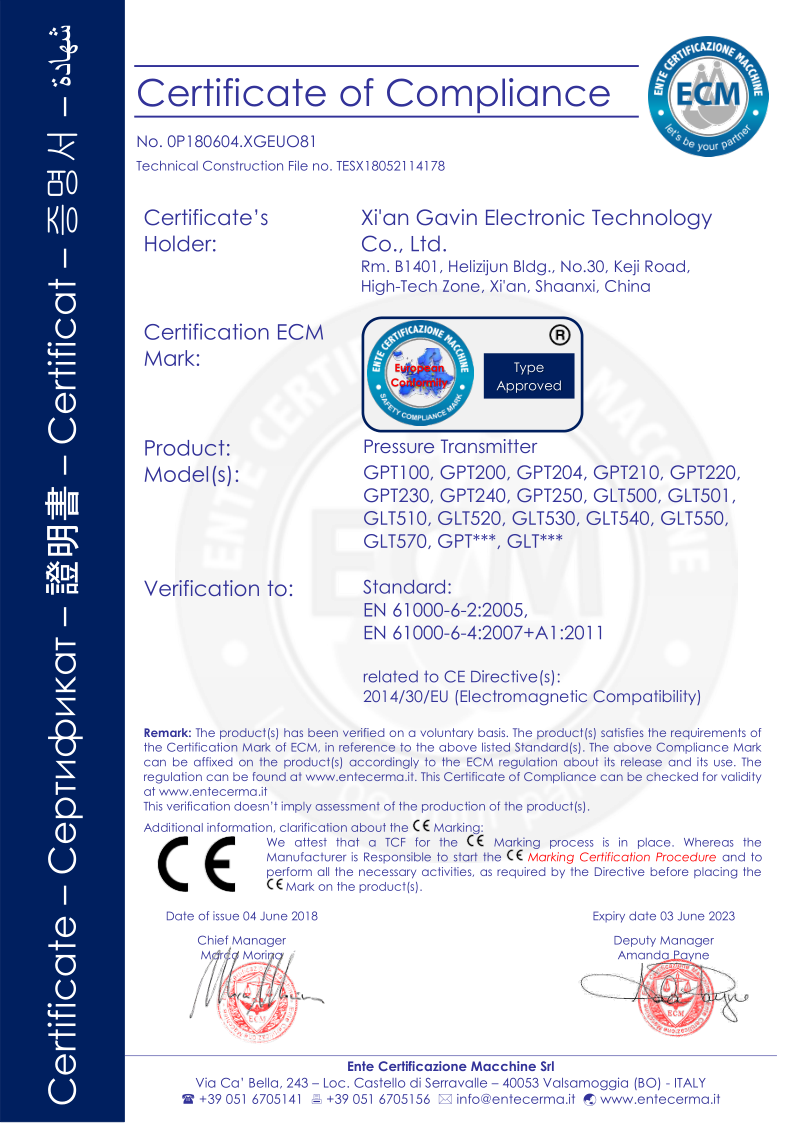
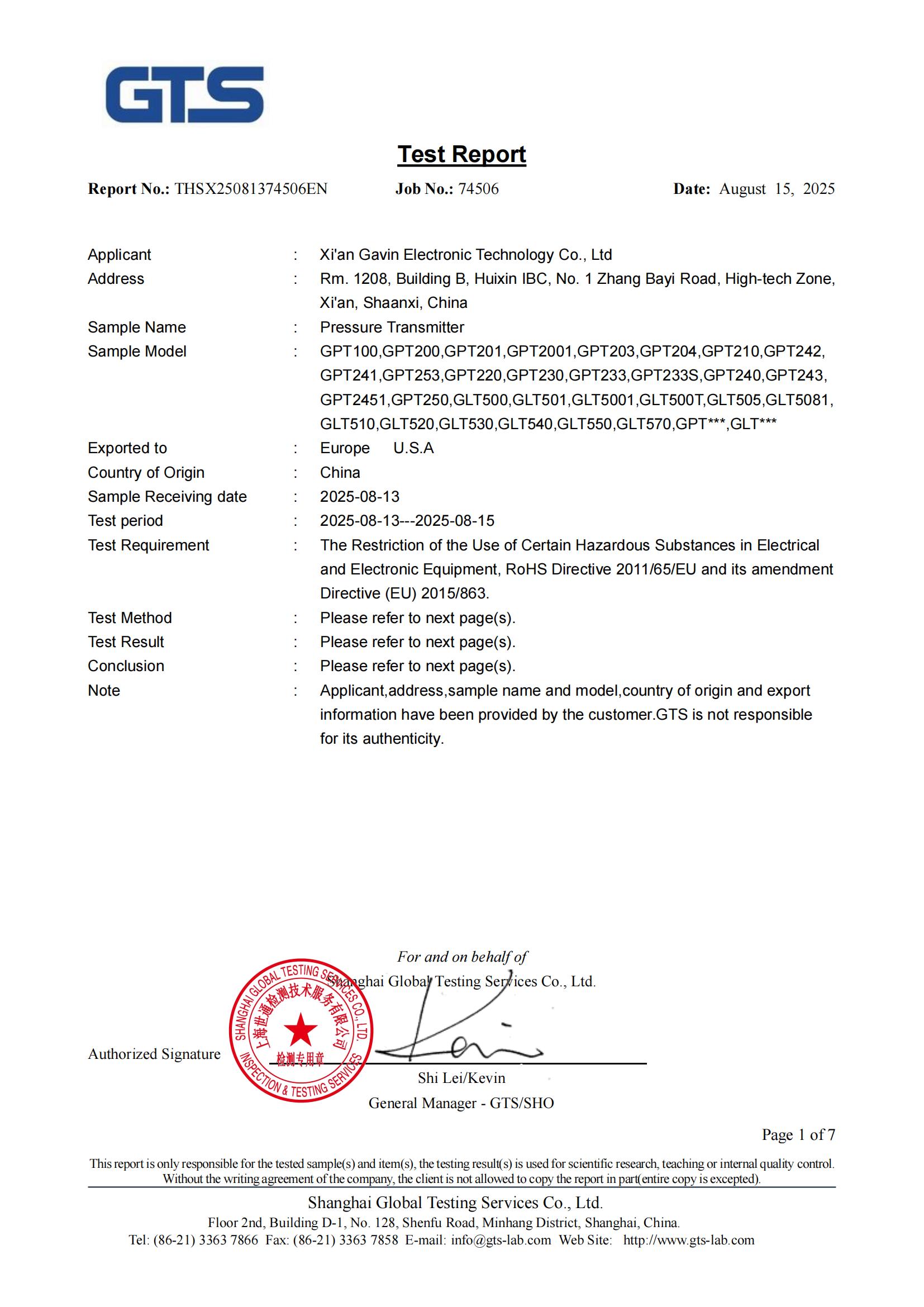
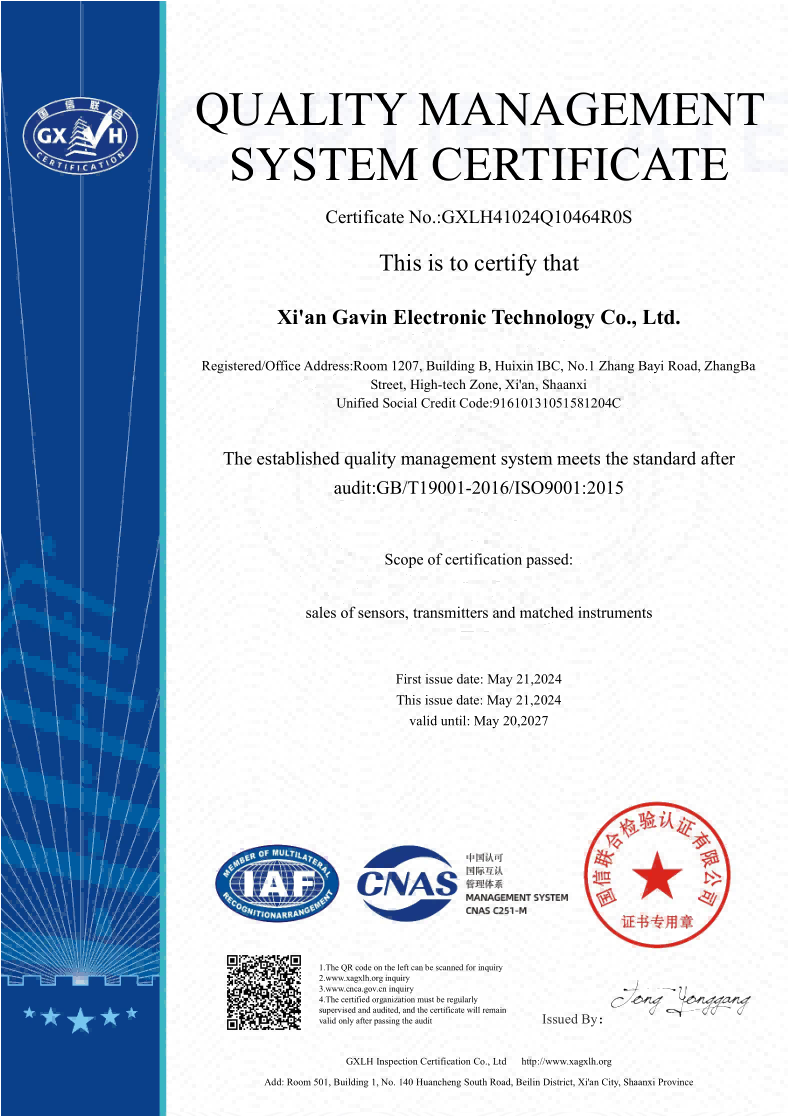
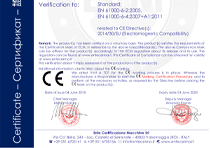
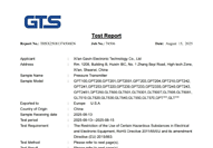
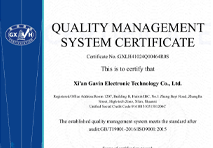
For food and drink uses, you need to meet certain sanitary standards in addition to general industry approvals. The 3-A Sanitary Standards are used all over North America to make sure that equipment that comes into close touch with food and dairy products meets certain design requirements. European buyers look at standards set by the European Hygienic Engineering & Design Group (EHEDG) that define principles of clean design. ISO 9001 certification shows that a supplier's quality management system is mature, and ISO 14001 certification is for managing the environment. GAMICOS goods meet many certification standards, such as CE and RoHS. This shows a dedication to both product quality and environmental duty, which is something that procurement teams are increasingly focusing on.
Pricing Structures and Negotiation Strategies
The price of a sanitary pressure transmitter depends a lot on its features. Simple models start at around $200 to $300 USD, while high-end models with extra features cost over $1,000 USD. When you buy a lot of things for a new brewery or to standardize equipment, you can get better prices by making promises to buy more than one unit. OEM users who add transmitters to automatic systems may be able to get better prices that represent the value of the long-term relationship. A better way to judge value than just looking at the unit price is to look at the total cost of ownership, which includes things like the original purchase price, the cost of calibration, the predicted service life, and the warranty coverage.
Lead Time Management and Inventory Planning
Standard store items usually ship within two to three weeks, but customized designs may need six to eight weeks for production and quality control. People in charge of managing project timelines should talk to suppliers early on in the planning phase to find out what changes need to be made and set delivery dates. GAMICOS has a strong ability to supply in bulk, thanks to its production capacity and inventory control systems that are made to handle large-scale project deployments. Setting up framework deals with chosen sellers makes it easier to buy from them again and again, and it also makes sure that you get special treatment when capacity is limited and demand is high in the industry.
Case Studies and Practical Insights: Sanitary Pressure Transmitters in Action
Real-life application experiences with a sanitary pressure transmitter can teach you a lot about how to get the most out of a pressure measurement system and how to avoid common problems during setup and use.
Brewery Fermentation Control Optimization
A small brewery with 12 fermentation tanks had problems with inconsistent carbonation levels and some batches going bad because they weren't keeping an eye on the pressure during changes in fermentation temperature. Threaded industrial sensors were changed with GPT210 sanitary pressure transmitters, which are compatible with CIP and have better closing properties.
Installers put sensors on the sides of the vessel at the level of the liquid to keep temperature differences from affecting the readings too much. Integration with the brewery's SCADA system made it possible to handle the pressure release valve automatically and log data for quality control. Within three months, the regularity of the carbonation got better, batches stopped going bad, and the cleaning cycle became more efficient thanks to proven CIP effectiveness, showing a clear return on the investment in the measurement system.
Installation Best Practices
By placing the transmitter in the right way, you can avoid measurement mistakes and make it last longer. Placing sensors horizontally on the sides of the vessel instead of vertically on the top or bottom heads keeps process material from building up on the diaphragms, which could make pressure reading less accurate. Using the right tri-clamp links that are the right size for the transmitter makes sure that the seal is good without over-compression, which can damage the gaskets.
For electrical lines to work, they need to have enough strain relief and conduit protection from water getting in. Grounding should also be done according to the local electrical rules. During setup, measurements are checked against measured reference standards to make sure they are accurate before the process starts up.
Emerging Technology Trends
IoT tools that collect sensor data for advanced analytics and predictive maintenance are being used more and more in the brewing business. GAMICOS builds connection options like Lora, GPRS, NB-IoT, and 4G wireless transfer into measurement systems. This lets spread fermentation facilities be monitored from afar. These digital transformation projects give brewers a level of insight into process performance that has never been seen before. They can see where improvements can be made and where equipment is breaking down before it breaks. Benchmarking across production lines and facilities is made easier by cloud-based data systems. This leads to ongoing improvements in operational efficiency and product quality consistency.
Conclusion
Sanitary pressure transmitters are an important part of modern brewing operations because they directly affect the quality of the product, the safety of the process, and compliance with regulations. These instruments are different from regular industrial sensors because they have to meet specific hygienic design requirements, measurement performance traits, and certification standards. When making a purchase choice, the buyer should look at both the technical specs and the supplier's skills, such as their ability to customize, their quality assurance systems, and how quickly they can help with problems after the sale.
The GAMICOS GPT210 is an example of the high level of engineering needed for challenging beverage uses. It has a flush diaphragm design that keeps things clean, dependable performance, and a lot of different ways to connect. It's getting more and more important for brewing companies to get their testing tools from providers with a track record of success in the industry as they move toward digital transformation and sustainability efforts.
FAQ
How frequently should sanitary pressure transmitters be calibrated in brewery applications?
Under normal settings, good sanitary pressure transmitters like the GPT210 should stay accurate for 12 to 24 months. It is recommended by the industry that calibration be checked once a year using standards that can be traced back to NIST. Checks should be done more often if process audits show measurement drift or after any repair work that involves removing sensors. Recording the past of calibration meets legal standards and helps with quality system certifications.
Can sanitary transmitters withstand aggressive CIP cleaning protocols?
Hygienic sanitary pressure transmitters that are properly made are made to work with both CIP and SIP, and they can resist cleaning chemicals that are both caustic and acidic at temperatures up to 140°C. The flush diaphragm design, 316L stainless steel structure, and anti-scaling qualities of the GPT210 make it stable for long-term use through thousands of cleaning rounds without losing function or introducing contamination.
What certifications should I verify when sourcing sanitary pressure transmitters?
Buyers should make sure that the product meets 3-A Sanitary Standards for use in North America or EHEDG standards for use in Europe. This shows that the product is suitable for clean design. More ISO 9001 quality management certifications and the right electrical safety approvals (CE, UL) show that the provider is trustworthy. For regulatory checks, both material certifications that prove the composition of 316L stainless steel and food-contact safety documents are very important.
Partner with GAMICOS for Reliable Sanitary Pressure Measurement Solutions
GAMICOS makes high-precision sanitary pressure transmitters that are made to work in food and drink environments where cleanliness and measurement accuracy can't be compromised. Our GPT210 Sanitary Flat Diaphragm Pressure Transmitter has a flush-mount design that keeps things clean, a number of signal output choices, and a strong build that can handle harsh brewing conditions.
As an experienced sanitary pressure transmitter seller with users in over 100 countries, we offer full OEM/ODM customization, reasonable bulk pricing, and expert help for choosing the right product, installing it, and running it. Our focused engineering team knows how to handle fermentation processes and can give you expert advice on how to make measurement systems work better. Email us at info@gamicos.com to talk about your particular needs, get full technical specs, or set up product demonstrations that show how committed we are to quality and customer success.
References
1. Boulton, C., & Quain, D. (2021). Brewing Yeast and Fermentation Performance. Blackwell Science Ltd.
2. European Hygienic Engineering & Design Group. (2019). Hygienic Design Criteria for Process Equipment in Food Manufacturing. EHEDG Guidelines.
3. International Association for Food Protection. (2020). Sanitary Design Principles for Food Processing Equipment. IAFP Technical Standards.
4. Kunze, W. (2018). Technology Brewing and Malting (6th International Edition). VLB Berlin.
5. Priest, F. G., & Stewart, G. G. (2022). Handbook of Brewing (3rd Edition). CRC Press.
6. 3-A Sanitary Standards, Inc. (2020). 3-A Sanitary Standards for Sensors and Sensor Fittings Used on Milk and Milk Products Equipment. Standard Number 74-06.

Eva
Eva specializes in bridging the gap between cutting-edge sensor technology and market needs. With 8 years of experience in industrial product marketing, she has successfully launched multiple sensor product lines—from pressure transmitters to fuel level sensor—into global markets.
We're here to help — submit your request anytime!
Let us know how we can help solve your pressure level measurement challenge.
_1757930850792.jpg)

Recommended Blog
Mitigating Pulsation, Water Hammer & Overpressure in Pumps
Wireless vs. Wired Pressure Transmitters for IIoT Applications
Mitigating Pulsation, Water Hammer & Overpressure in Pumps
Wireless vs. Wired Pressure Transmitters for IIoT Applications
Mitigating Pulsation, Water Hammer & Overpressure in Pumps
Wireless vs. Wired Pressure Transmitters for IIoT Applications