Diesel Level Sensor Applications in Industrial Fuel Tanks
Understanding Diesel Level Sensors and Their Industrial Applications
- Understanding Diesel Level Sensors and Their Industrial Applications
- Choosing the Right Diesel Level Sensor for Industrial Fuel Tanks
- Installation, Maintenance, and Troubleshooting Best Practices
- Procurement Strategies for Industrial Diesel Level Sensors
- Conclusion
- FAQ
- Partner with GAMICOS for Advanced Diesel Level Sensor Solutions
- References
Monitoring industrial fuel tanks is becoming more and more important as companies in all kinds of industries try to improve their operations, cut costs, and make sure they follow the rules. A diesel level sensor is the most important piece of technology for measuring fuel accurately in industrial settings. It gives real-time information that helps with inventory management, stops theft, and keeps operations running smoothly. These high-tech gadgets use cutting-edge sensing technologies to give accurate readings in tough industrial settings. This makes them essential for oil companies, chemical plants, and heavy machinery operations that count on having fuel on hand all the time.

Understanding Diesel Level Sensors and Their Industrial Applications
To handle fuel well, you need to know about the different technologies that can be used to check the amount of diesel. Today's industrial uses need sensors that can work in harsh situations and give accurate, consistent readings that help with important operational choices.
Core Technologies in Diesel Fuel Level Measurement
Several different sensing technologies are used for industrial diesel level tracking. Each has its own benefits for different tank configurations and working needs. Ultrasonic level sensors use sound waves to check the amount of fuel without touching it directly. This makes them perfect for tanks that have harsh chemicals or high temperatures. Capacitive level sensors pick up changes in electrical properties when fuel amounts change, which makes them very accurate for uses that need to keep track of supplies very precisely.
In standard industrial settings, resistive fuel level sensors work well because they have varying resistance mechanisms that change as the floats move with the fuel levels. Radar-based systems can get through air spaces to give accurate readings even in tanks with foam or turbulence. This makes them very useful in places like chemical processing plants and oil factories where the environment can be difficult.
Industrial Applications Across Multiple Sectors
To keep equipment running and avoid expensive downtime, heavy machinery operations rely heavily on diesel level sensor technology. Construction companies put these sensors in excavators, bulldozers, and cranes to keep an eye on how much fuel is being used and plan repair tasks. Accurate fuel tracking is needed to make sure that generator sets in hospitals, data centers, and factories always have power during important operations.
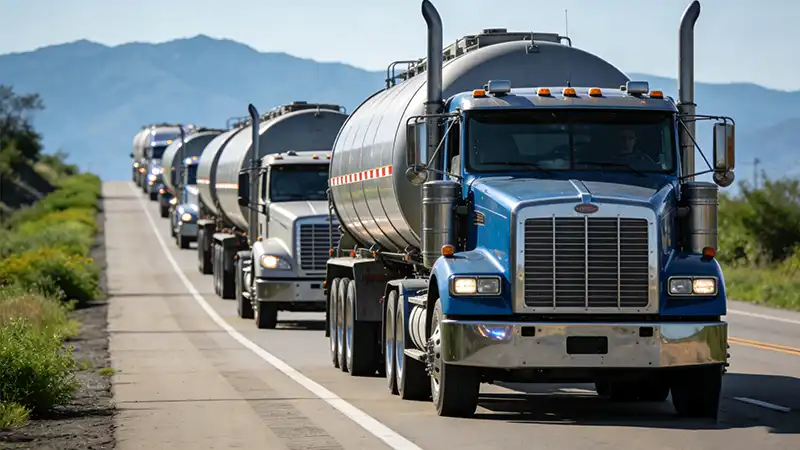
Another important area where diesel level sensor technology improves working efficiency is in the control of truck fleets. Transportation companies connect these gadgets to telematics systems to keep track of how much fuel is being used, find instances of illegal use, and plan routes more efficiently based on the supply of fuel. Multiple sensors are used to keep an eye on inventory levels across large tank farms at refineries, distribution centers, and fuel stores with a lot of storage tanks.
Monitoring diesel levels in irrigation systems, harvesting tools, and food preparation plants is helpful for the farming industry. These sensors are used in earth-moving and processing tools by mining companies to keep up with their plans for output and keep track of fuel deliveries in remote areas.
Operational Benefits and Risk Mitigation
By using professional-grade diesel level sensors, operations become more efficient and costs are kept under control. Theft prevention features keep valuable fuel assets safe by because they constantly watch and use automatic notice systems to let management know about any unauthorized access or strange patterns of use. It's easier to follow the rules when accurate fuel usage data backs up safety checks and environmental reporting requirements.
Fuel level data that shows trends in machine performance and unusual fuel use is very helpful for predictive repair programs. Maintenance teams can find problems before they happen, which lowers the cost of repairs and limits the amount of downtime that happens. Facilities are better prepared for emergencies when they keep correct records of their fuel supplies, which help with planning for the worst and following the right steps to take in a disaster.
Choosing the Right Diesel Level Sensor for Industrial Fuel Tanks
To choose the right sensing technology, you need to carefully look at the features of the tank, the surroundings, and the accuracy needs that are unique to each industrial application. As part of the decision-making process, performance skills are weighed against costs, and long-term operating reliability is ensured.
Technology Comparison and Selection Criteria
Ultrasonic sensors work great in places where measurements need to be taken without touching anything, like tanks with harsh chemicals or very high temperatures. The precision of these devices is very good, within º0.1% of full scale, and they work well in temperatures from -40°C to +70°C. Installation flexibility lets you put on tank tops without going through the walls of the vessel. This lowers the risk of leaks and makes servicing easier.
Radar monitors work better in tough conditions like places with a lot of gas, foam, or movement. Because they can get through disturbances, they can be used in places like chemical plants and oil refineries where regular sensors might have trouble. As an initial investment, radar technology is more expensive, but for important uses, the long life and low maintenance needs often make up for the price.
Capacitive sensors are very accurate and work well in places where material needs to be closely monitored, like when making medicines or unique chemicals. Because they can pick up on small changes in level, they are useful for tracking expensive fuel where every gallon is worth a lot of money. Tank entry is needed for installation, but the accuracy and dependability that come from it meet the most demanding operating needs.
Resistive sensors are reliable and don't cost too much, so they are a good choice for standard industrial uses where precision isn't very important. Resistive technology is often used for backup generators, fleet car monitoring, and portable tools because it is easy to use and works well in most situations.
Communication Options and System Integration
Diesel level sensor and current control system integration must be smooth for modern industrial processes. For tanks that are permanently placed, reliable data transfer is made possible by wired communication methods like 4-20mA analog signals, Modbus, and CAN bus. These connections allow SCADA systems to watch in real time and set automatic reactions for control based on fuel level limits.
For mobile tools and tank installations that are far away, wireless transmission technologies are very helpful. LoRa networks let you join over long distances while using very little power, which makes them good for building sites and farm equipment. Cellular systems, like 4G and NB-IoT, work with cloud-based monitoring tools that let you get to fuel info from anywhere.
With IoT integration, simple level measurement can be turned into full fuel control systems. Cloud-based systems collect data from many devices and use analytics to show trends of use, predict when refueling will be needed, and improve the efficiency of logistics operations. From their smartphones or tablets, managers can use mobile apps to check on fuel amounts, get tips, and make reports.
Product Spotlight: GLT5001 Advanced Diesel Level Sensor
The GLT5001 was made by GAMICOS to meet the unique needs of challenging diesel level measurement uses in industrial settings. This high-tech sensor is based on a silicon piezoresistive pressure sensor that works very well. It also has automatic temperature adjustment and customizable digital circuit correction to make it even better. The complex signal filtering makes sure that the accuracy stays the same even when the working conditions change.
Two different versions of the sensor design meet different practical needs. The standard model works well with regular tank installs, and the magnetic suction base version lets you keep an eye on mobile tanks and short-term fuel storage needs. Because it can do so many things, the GLT5001 can be used for everything from stationary generator sets to mobile building tools.
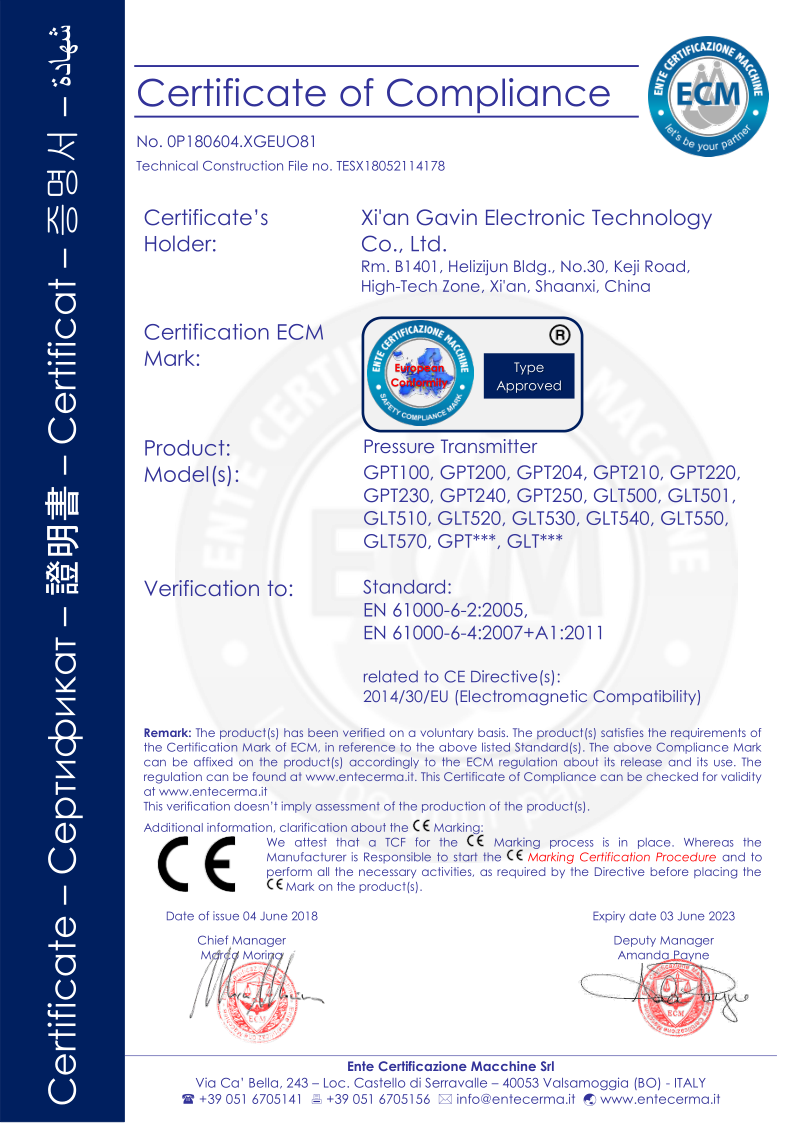
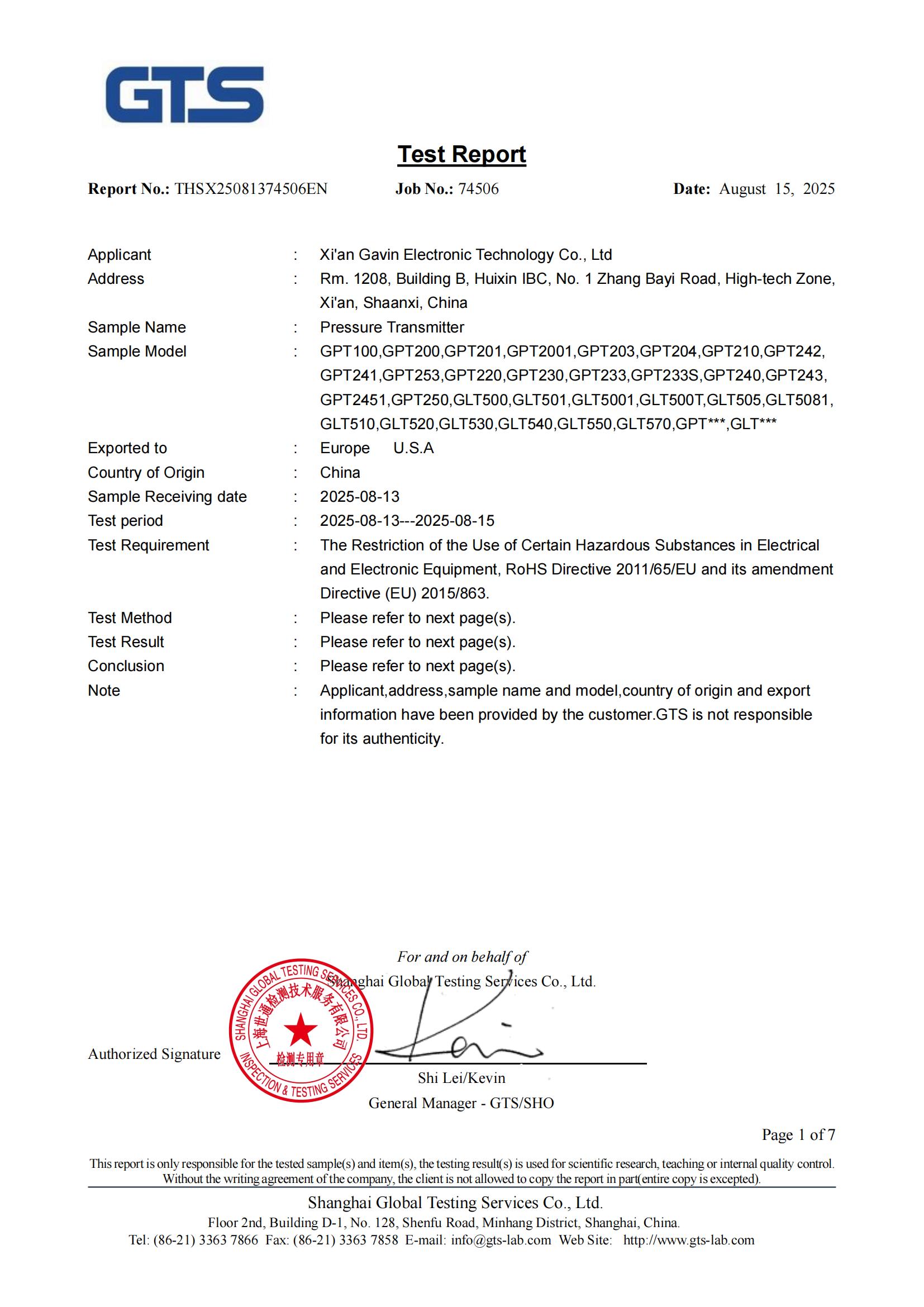
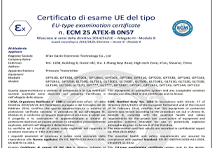
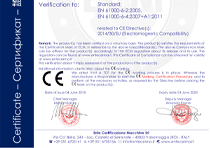
Protocols for quality assurance include thorough testing methods such as pressure cycling, aging tests, and outdoor simulations to make sure the product works well in harsh circumstances. The frame is fully welded and has an IP68 grade, which means it can work reliably in harsh industrial settings. Explosion-proof certification (ATEX), CE compliance, and RoHS certification give foreign installations that need to meet high safety standards peace of mind.
Installation, Maintenance, and Troubleshooting Best Practices
For diesel level sensors to work, they need to be installed correctly, have regular maintenance checks, and be troubleshooted in a planned way. These steps make sure that the monitor works at its best for as long as it's useful, with as little downtime and upkeep costs as possible.
Professional Installation Procedures
Preparing the tank is an important step that affects how well the sensors work and how accurate the measurements are over time. Cleaning the surface gets rid of dirt and other things that could get in the way of the mounting tools or the sensor's function. When placed correctly, ultrasonic or radar sensors will have the best signal lines, and internal tank parts like pipes, filters, or agitators will not interfere.
When wiring sensors, it's important to pay close attention to how the cables are routed and how well the connections are made. Cables are kept safe from damage by conduit systems, which keep them electrically separate from power lines and motor circuits. Industrial standards say how to do grounding so that electrical confusion doesn't happen and people are safe. For environmental safety, connection enclosures use the right NEMA grades.
When placing a wireless sensor, you need to think about where to put the antenna so that you get the best signal strength and how to get to the battery for maintenance. Magnetic fixing choices make it easier to set up mobile equipment and keep it in place even when it moves and vibrates. Anti-vibration design features keep sensitive electronics safe from damage caused by shocks when they are used with heavy machines.
As part of the system merging process, calibration checks, connection tests, and setting alarm thresholds are all done. Keeping records of the installation settings helps with future troubleshooting and upkeep tasks. Maintenance staff go through training programs to make sure they know the right way to handle and repair things so that warranties are valid and the system works well.
Preventive Maintenance and Calibration
Through structured inspection and calibration processes, regular maintenance plans keep sensors accurate and extend their useful life. Cleaning procedures get rid of fuel waste and other outdoor pollutants that might affect how well sensors work. Visual checks find problems like rust, physical damage, or hardware that need to be fixed right away.
By comparing measurements to known fuel amounts or reference standards, calibration verification makes sure that the readings are correct. Digital sensors can often self-diagnose and find calibration drift before it affects their ability to work accurately. Temperature adjustment systems need to be checked on a regular basis to make sure they are working right when temperatures change with the seasons.
Environmental challenge management includes plans for dealing with problems like high and low temperatures, vibrations, and fuel pollution. Protective housings keep sensors from getting broken while still letting air flow through them to keep the temperature stable. When the fuel quality is bad, filtration devices keep contaminants from getting to the sensor elements.
Battery care for wireless devices includes checking the batteries' capacity, planning when to replace them, and finding the best ways to use power. Solar charge choices make batteries last longer in remote sites and require less upkeep. Low-battery alert methods let you know before the monitor stops working because the power is low.
Troubleshooting Common Issues
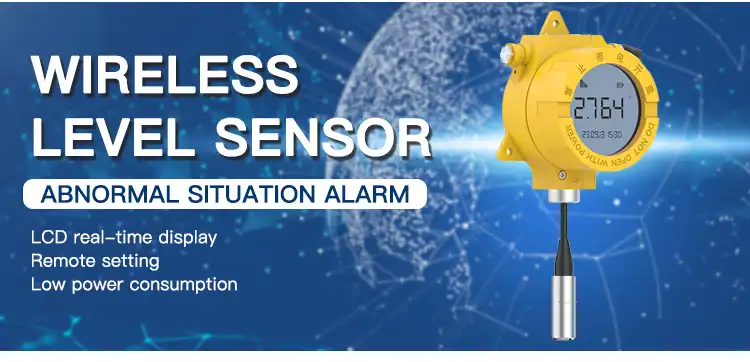
Sensor shift problems are often caused by changes in temperature, contamination, or old parts. Systematic testing processes use data analysis and direct inspection to find the root causes. Many drift problems can be fixed by recalibration, while hardware failures that can't be fixed by adjustment can be fixed by replacing the broken parts.
When someone reports signal loss, they check the communication routes, power supplies, and sources of interference in the surroundings. For wireless devices to work, the signal strength, antenna placement, and network connection need to be looked at. For wired systems, you need to test the length of the cables, look over the connections, and check for electrical interference.
Sensors and control systems often have trouble communicating when there are protocol mismatches, setup mistakes, or problems with the timing of the network. Protocol analyzers find mistakes in data transfer, and diagnostic tools help find specific communication problems. Problems with compatibility can be fixed by updating software, and broken communication ports can be fixed by replacing hardware.
Procedures for escalating problems spell out when technical issues need help from a seller or help from field service. To help with troubleshooting, documentation needs to include mistake logs, environmental conditions, and a past of upkeep. When choosing between fixing and replacing failed sensors, warranty issues come into play.
Procurement Strategies for Industrial Diesel Level Sensors
When buying diesel level sensors, it's not enough to just compare prices; you also need to look at the supplier's professional skills, qualifications, and long-term support promises. When making strategic purchases, it's important to think about the total cost of ownership and make sure that the sensing technologies match the needs of the business and its plans for growth in the future.
Certification Requirements and Compliance Standards
International approval norms are very important for choosing the right sensors for industrial use. ATEX approval makes sure that workers are safe in places like chemical and oil processing plants where dangerous atmospheres are common. CE marking shows that a product meets European safety standards and makes it easier for products to be sold in other countries. By limiting dangerous chemicals, RoHS compliance shows that people care about the environment.
Minimum performance standards for fuel tracking tools are set by industry-specific standards like API 653 for oil storage tanks and NFPA codes for fire protection systems. Knowing about these standards helps buying teams choose the right sensor features and make sure they meet regulations in many places.
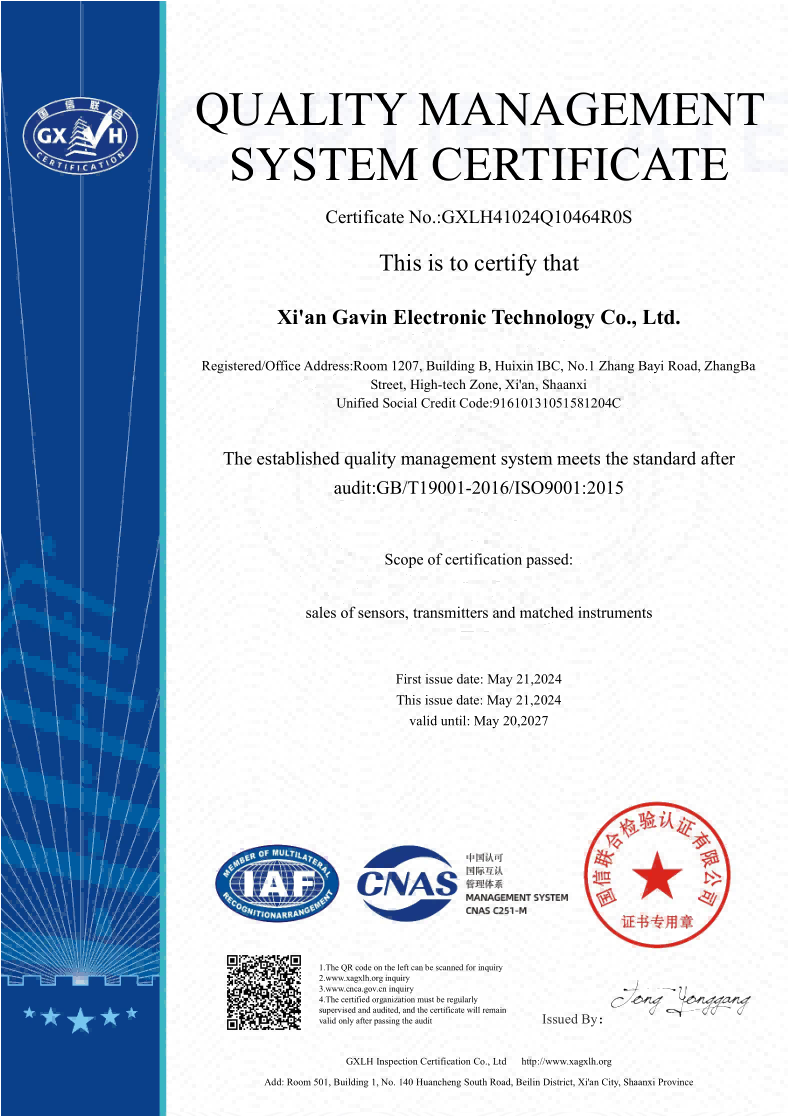
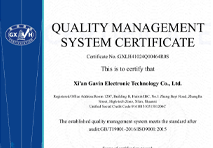
Quality management certifications, such as ISO 9001, show that a supplier is dedicated to consistently high product quality and methods for ongoing growth. These licenses give people faith in the ways that products are made and help quality control programs that cut down on problems in the field and guarantee claims.
Measurement precision standards in regulated businesses are met by calibration papers and traceability paperwork. Calibration that can be tracked back to NIST makes sure that sensors work as expected and meet certain accuracy standards. It also provides proof for quality checks and regulatory reviews.
Bulk Purchasing and Supply Chain Optimization
Buying in bulk can save you a lot of money on large-scale operations and make sure that the product specs are the same across all of them. Blanket purchase orders protect prices while still letting you choose when to send items based on project deadlines. Just-in-time shipping programs that lower handling costs are one way that supplier relationships help with inventory management.
For project-based procurement, where shipping delays can affect building plans and starting times, lead time optimization is very important. Delivery speed is affected by the supplier's ability to make things, the supply of parts, and the logistics of shipping. Back-up supplier qualification gives you choices in case of an emergency for important applications where supply delays are not acceptable.
Changes in currencies, import taxes, and shipping costs are all things that affect overall landing costs in the global supply chain. Regional distribution networks cut down on shipping times and make it possible to get help close to home. Assessing a supplier's financial security makes sure that supplies will not stop during multi-year projects.
Inventory management strategies weigh the costs of keeping items in stock against the risk of running out of repair parts and sensors that need to be replaced. Standardization programs make inventory less complicated while allowing items to be used in different uses. Supplier-managed inventory plans make sure that parts are always available while shifting the responsibility for inventory.
OEM Customization and Engineering Support
Custom sensor development meets the needs of specific applications that normal goods can't meet. Changes to the mechanical parts include special attachment gear, wider temperature ranges, and special enclosure materials for places where corrosion is a problem. Changes to output signals, connection methods, and built-in display choices are all examples of electronic modification.
Working together as engineers on a product makes sure that unique sensors meet performance requirements while still being able to be manufactured and staying within budget. Testing prototypes makes sure that design ideas are good before they are committed to production and also finds ways to make things better. Technical specifications, installation instructions, and upkeep needs are all part of documentation packages.
Intellectual property issues protect secret ideas while setting licensing terms for ongoing production. For complicated customization projects, co-development agreements spell out who is responsible for what, how costs will be split, and what the performance promises are. Using technology roadmaps, sensor development can be aligned with the needs of future products and the trends in the business.
Support for application building includes site visits, technical advice, and help integrating systems. Field testing programs make sure that sensors work properly in real-world situations and look for ways to make them even better. Training programs make sure that customer service staff know how to properly setup, operate, and maintain equipment.
Conclusion
Diesel level sensor technology has grown into a complex set of solutions that can meet a wide range of industry fuel tracking needs. When you combine advanced tracking technologies, digital communication, and smart data analytics, you can see more into fuel operations than ever before. This cuts costs and improves safety. Modern devices like the GLT5001 show that careful engineering and good manufacturing methods can make things work reliably in tough industrial settings. To successfully apply these technologies, you need to know what the application needs, pick the right sensor technologies, and keep working with qualified sources who offer full support throughout the product lifecycle.
FAQ
What makes diesel level sensors different from gasoline sensors?
Diesel level monitors are made with features that work best with diesel fuel's qualities, such as its higher density, different dielectric constants, and different chemical makeups from gasoline. For instance, the GLT5001 uses silicon piezoresistive technology that automatically adjusts for temperature to account for the way fuel expands when it cools. Also, diesel monitors need materials that won't break down when exposed to sulfur chemicals and biodiesel additives that are common in industrial diesel.
How often should industrial diesel level sensors be calibrated?
How often you calibrate relies on how important the application is and the conditions of the surroundings. For standard accuracy requirements, most industrial applications need to be checked once a year. For high-precision uses, calibration may need to be done every three months, while checks may need to be done every six months in tough settings with high temperatures or vibrations. There is customizable digital circuit correction in the GLT5001 that keeps the accuracy between calibration periods and monitoring features that let you know when calibration is needed.
Can wireless diesel sensors integrate with existing fuel management systems?
These days' wireless devices can talk to a lot of different systems, like Modbus, CAN bus, and cloud-based APIs that let them work with most fuel control platforms. Making sure that monitors and current systems can talk to each other and share data in the same format is the most important thing to think about. A lot of wireless monitors also have analog outputs that can connect to regular tracking gear to help with system changes or as an extra way to talk.
Partner with GAMICOS for Advanced Diesel Level Sensor Solutions
GAMICOS has a wide range of precision-engineered diesel level sensors that can help you with your industrial fuel tracking needs. Our GLT5001 line is the result of many years of research and development. It offers unbeatable dependability thanks to its silicon piezoresistive technology, IP68 protection, and safety standards from around the world. As a reliable diesel level sensor maker, we offer full customization options to meet your unique working needs. These include OEM services, custom mounting configurations, and communication methods that are made to fit your needs. Get in touch with our engineering team at info@gamicos.com to talk about your needs and find out how our diesel level sensor options can help you handle your fuel more efficiently while still meeting international standards.
References
1. Johnson, R.M., & Peterson, K.L. (2023). Industrial Fuel Management Systems: Technology and Applications. Industrial Process Publishing.
2. Anderson, T.S., Martinez, C.R., & Thompson, D.W. (2022). "Advances in Liquid Level Sensing Technologies for Petroleum Applications." Journal of Industrial Instrumentation, 45(3), 234-251.
3. Williams, J.E., & Brown, S.M. (2023). Sensor Technologies for Chemical and Petroleum Industries: Design and Implementation Guide. Technical Publications International.
4. Lee, H.K., Singh, P., & O'Connor, M.J. (2022). "Wireless Sensor Networks in Industrial Fuel Monitoring: Performance Analysis and Best Practices." Industrial Automation Quarterly, 18(2), 112-128.
5. Garcia, A.L., & Zhang, W. (2023). Maintenance Strategies for Industrial Sensing Equipment. Reliability Engineering Press.
6. Kumar, S., Rodriguez, F., & Chen, L. (2022). "IoT Integration in Fuel Management Systems: Trends and Future Directions." International Conference on Industrial IoT Applications, pp. 89-104.

Eva
Eva specializes in bridging the gap between cutting-edge sensor technology and market needs. With 8 years of experience in industrial product marketing, she has successfully launched multiple sensor product lines—from pressure transmitters to fuel level sensor—into global markets.
We're here to help — submit your request anytime!
Let us know how we can help solve your pressure level measurement challenge.
_1757930850792.jpg)
Recommended Blog
How Diesel Level Sensors Improve Accuracy in Fuel Tank Monitoring
How Diesel Level Sensors Improve Accuracy in Fuel Tank Monitoring