Common Use Cases for Oil Tank Level Sensors in Remote Monitoring
Understanding Oil Tank Level Sensors in Remote Monitoring
- Understanding Oil Tank Level Sensors in Remote Monitoring
- Common Use Cases for Oil Tank Level Sensors in Remote Monitoring
- Choosing the Right Oil Tank Level Sensor for Your Business Needs
- Installation, Maintenance, and Troubleshooting Best Practices
- The Future of Oil Tank Level Sensors in Remote Monitoring
- Conclusion
- FAQ
- Partner with GAMICOS for Advanced Oil Tank Level Sensor Solutions
- References
It has never been more important to keep track of fuel stocks in multiple production sites that are spread out. An oil tank level sensor lets you see how much fuel is left in real time, so you don't have to guess or do checks by hand. These tools give exact measures of diesel, gasoline, and other fuel products. This helps operations teams improve safety, cut down on costly stockouts, and make the most of their logistics. Businesses in the petroleum, energy, marine, and transportation sectors can now handle their fuel assets more efficiently and in line with environmental rules thanks to remote tracking technology.

Understanding Oil Tank Level Sensors in Remote Monitoring
What Are Oil Tank Level Sensors and How Do They Work?
Level measurement devices are specially designed tools that keep track of how much fluid is in storage tanks all the time. These sensors take information about the height of a liquid and turn it into electronic signs that tracking systems can understand. Changes in pressure, capacitance, ultrasonic waves, or radar echoes must be picked up as fuel levels rise or fall for the basic process to work.
Different technology methods solve different problems in the workplace. The weight of the fluid above the hydrostatic pressure monitors tells them how much space there is based on its density. As fuel moves around probe parts, capacitive sensors pick up on changes in the electrical capacitance between them. Ultrasonic and radar technologies that don't touch objects bounce signals off of liquids and measure the time it takes to travel to figure out how far away something is.
Types of Sensors for Remote Fuel Monitoring Applications
Pressure-based submersible sensors work great in deep storage tanks where direct soaking doesn't affect the way the sensors work. These devices, like GAMICOS's GLT5001, use silicon piezoresistive pressure measuring elements that automatically adjust for temperature to stay accurate even when the world changes. Non-contact measurements can be made with radar-based devices, which are good for storing flammable fuels. Pulsed or FMCW (frequency-modulated continuous wave) radar devices can read through air spaces and foam layers accurately, even when there is turbulence or different levels of temperature. Ultrasonic sensors are a cheap option for atmospheric storage boxes that have stable liquid surfaces.
When paired with electronic outputs, magnetic float devices work well for showing where something is visually. Magnetostrictive sensors are very accurate because they measure the places of magnetic fields along a waveguide. However, they can be harder to install than underwater pressure devices.
Key Performance Criteria for Reliable Measurements
To choose the right measurement tool, you need to look at a few important factors that will affect its long-term performance:
- Accuracy specifications: The standards for accuracy must match the needs of operations. Applications that bill for fuel need tighter limits than applications that just keep track of supplies. Quality gadgets stay within ±0.5% of full-scale accuracy over their whole working range.
- Environmental durability: How long a sensor lasts in difficult conditions depends on how durable it is in those circumstances. Enclosures with an IP68 grade keep devices dry, and they can work in a wide range of temperatures, from arctic cold to desert heat, for outdoor installations.
- Signal stability: Stable signals stop fake alarms and repair calls that aren't needed. Advanced signal conditioning blocks electrical noise from nearby motors and radio emitters, and adjustable dampening techniques keep readings steady while the tank is being filled.
- Installation compatibility: Compatibility with installation changes the total cost of the job. For some uses, flange-mounted designs work best, while mobile fuel tanks need magnetic fixing bases that can stop them from shaking.
Common Use Cases for Oil Tank Level Sensors in Remote Monitoring
Industrial Fuel Storage Management
Diesel and gasoline sources must be reliable for factories, backup power systems, and teams of building equipment. Remote tracking gets rid of the need to manually read dipsticks, so operations managers can use centralized screens to keep an eye on how energy is used across multiple sites. Automatic reordering based on set limits keeps production from stopping and improves transport plans to cut down on fuel costs. Continuous inventory awareness is helpful for distribution centers that handle bulk petroleum products. When predictive analytics are combined with building management systems, they can guess when demand will rise. This helps logistics teams plan supplies for the best times. This method is based on data and lowers the cost of expedited shipping while keeping safety stock profits the same.
Marine Vessel Fuel and Ballast Tank Monitoring
Ships, tugboats, and offshore platforms need specific ways to handle their fuel for maritime activities. The GLT5001 oil tank level sensor is used in naval settings to keep an eye on fuel bunkers, ballast tanks, freshwater supplies, and waste holding areas all at the same time. Its fully welded design means it can handle constant movement and being in saltwater, and its ATEX explosion-proof certification means it meets strict marine safety standards.
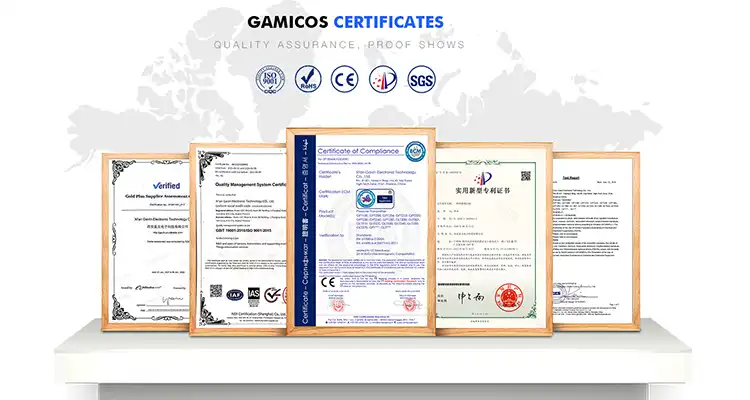
Real-time level data transmitted via wireless methods allows bridge officers to make the best use of fuel during trips. Accurate tracking of the ballast makes sure that the ship stays stable and in the right position, especially when it's carrying goods. Finding sudden changes in the level early on can help find leaks or structural problems that need quick attention. This can help avoid environmental disasters and expensive emergency fixes.
Commercial Heating Oil Systems for Buildings
Property managers who are in charge of apartment buildings, hospitals, and school sites can speed up heating oil deliveries by watching them from afar. Wireless sensor networks get rid of the need for expensive emergency filling during the busiest times of the year in the winter, and usage analytics find burners that aren't working as efficiently or insulation issues. Automated notice systems let fuel sellers know when tank levels are getting low and reorder points are approaching. This allows for just-in-time supply schedule that makes the most of truck routes. When building managers and fuel dealers work together, it cuts down on management costs and keeps people comfortable during heating seasons.
Remote and Off-Grid Energy Supply Sites
Diesel generators provide main or backup power to places like cell phone towers, mines, and green energy sites that are far away. Monitoring systems that are connected to satellites keep an eye on generator fuel stocks, transmission line repeater station tanks, and emergency response car supplies over very large areas. Predictive refueling plans that are based on past usage trends and weather forecasts make it easier to move fuel. Operations centers are told ahead of time when supplies are running low, which lets them plan for air or ground transport before things get really bad. This proactive method cuts down on the number of site visits needed to keep the power system reliable.
Environmental Compliance and Leak Detection
Regulatory rules for oil storage require systems that find leaks and stop tanks from overfilling. Continuous level tracking finds slow leaks by picking up on small changes in volume that might be missed by measuring by hand. When levels drop quickly, alarms go off right away, letting emergency teams control spills before they do damage to the environment. When tanks hit the highest safe level, overfill prevention integrations turn off the delivery pumps immediately. This safety feature stops terrible spills from happening during fuel changes. It protects the groundwater and dirt and keeps people from getting fined hundreds of thousands of dollars by the government. Monitoring system data that is written down shows compliance during environmental checks.
Choosing the Right Oil Tank Level Sensor for Your Business Needs
Wired vs. Wireless System Architectures
Sensors and tracking equipment can reliably and constantly talk to each other through traditional wired setups. Hardwired 4-20mA analog outputs work with SCADA and programmable logic controls that are already in place without any problems. These designs work well for new building jobs where adding conduit doesn't add much extra cost. Wireless systems that use LoRa, NB-IoT, or 4G cellular connection get rid of the costs of trenching and wiring in large buildings. Battery-powered sensors put on temporary fuel tanks or mobile equipment tanks send data to cloud platforms that can be accessed from any device with an internet connection. When operations grow, wireless designs can easily adapt, but cellular coverage issues may make adoption difficult in very remote places.
Comparing Sensor Technologies for Different Tank Configurations
Submersible pressure sensors work great in circular tanks that are underground or above ground and can be mounted vertically. The hydrostatic measurement theory always works, no matter how big the tank is or how rough the surface is. The GLT5001 from GAMICOS uses this tried-and-true technology with a few important improvements that fix common problems in the business.
The gadget has very reliable silicon piezoresistive pressure measuring parts that keep working well over time without drifting. Automatic temperature adjustment keeps the accuracy even when yearly changes in temperature affect the density of the fuel. Programmable digital circuit adjustment lets units be calibrated in the field to match specific tank shapes without having to be sent back to the factory. Radar and ultrasound sensors work best in horizontal cylindrical tanks and other vessels with odd shapes where it is easier to reach the liquid from the top than from the bottom. With non-contact measurement, you don't have to worry about grit buildup or fuel contamination, but in some places, you may need to clean the sensor faces every so often because of air condensation.
Critical Features for Long-Term Reliability
Whether sensors last for years of ongoing use or need to be replaced often depends on how well they are built. Fully welded housings get rid of leak paths that damage electronics, and marine-grade stainless steel doesn't break down when exposed to oil. The GLT5001 has an IP68 grade for safety, so it will work even if installation places get temporarily flooded during tank cleaning. Multiple outlet options give you choices when designing the system and when upgrading it in the future. Digital communication methods (HART, CANbus, RS-485) and analog 4-20mA communication protocols allow devices to work with both old and new IoT systems. Optional magnetic suction base options make it easy to set up quickly for mobile tank tracking tasks that don't need permanent mounting hardware.
Trusted Manufacturers and Product Ecosystems
Siemens, Honeywell, Emerson, and ABB are well-known names in industrial automation. They all have wide ranges of oil tank level sensors and are backed by global service networks. Their high-end goods cost more at first, but they come with a lot of integration support and new parts that last for decades. Specialized measurement companies like GAMICOS only offer level and pressure sensing solutions and use their technical know-how to solve problems in particular industries. This focused attention makes it easy to make quick changes to meet the specific needs of each application. Custom communication methods, mounting setups, and cable terminations are all possible with OEM and ODM services, but they're not possible with normal catalog goods.
GAMICOS sells goods to people in more than 100 countries that are used in the chemistry, energy, marine, and oil and gas industries. The company's research and development team works with engineering contractors and automation system developers to improve sensor performance based on feedback from the field. This makes sure that the company is always improving in line with the needs of the industry as it changes.
Installation, Maintenance, and Troubleshooting Best Practices
Pre-Installation Assessment and Site Preparation
For sensor deployments to go well, the site must first be carefully examined to find possible sources of interference and barriers to entry. Sensor placement choices are affected by the materials used to build the tank, the internal baffles, and the positions of the fill pipes. Installing a pressure monitor requires putting it on the bottom or low on the sidewall, where the hydrostatic pressure correctly shows the total volume. Electrical classification tells you what kinds of cables and ways to seal conduits you need. Installations in dangerous places need approved parts that are resistant to explosions and wiring methods that are safe by nature. For wireless operations, RF coverage testing is needed to make sure that the signal strength is strong enough between sensor locations and gateway receivers.
Step-by-Step Installation Procedures
The first step in a proper fitting is to make sure that the tank's measurements and volume charts match the settings for the sensor. To get to the atmospheric reference pressure, pressure monitors need to be vented through cable vents or separate vent tubes. The tools for mounting must be able to handle the weight and pressure of the liquid in the tank without deforming and messing up the measurements.
To connect the electrical parts, use the wiring diagrams provided by the maker to match the output signals to the input specs of the receiving equipment. Electrical noise can't get into analog signals when they're grounded, and radio frequency interference is kept to a minimum with protected wires. When placing wireless monitors, it's important to make sure that the batteries can be easily replaced in the future without draining the tanks. Calibration procedures establish zero and spread points that match the real empty and full states of the tank. Multi-point calibration fixes problems caused by tanks that don't have straight walls, making the whole measurement range more accurate. Keeping track of calibration factors and installation pictures can help with upkeep and troubleshooting in the future.
Routine Maintenance Schedules
How often you check depends on how bad the application is and how important it is to the business. Small problems don't turn into fails when the security of the sensor mounting, the state of the cables, and the electrical connections are checked every three months. Every year, the calibration is checked to make sure that the accuracy of the measurements stays within the limits, even if the parts get older or are exposed to the environment.
Cleaning procedures get rid of sediment buildup, bacterial growth, or product residue that is stopping sensors from working properly. To clean pressure sensor diaphragms gently, use solvents that are compatible with them and stay away from rough materials that can damage the detecting surfaces. Manufacturers' software changes sometimes add new features or fix bugs that make the system more reliable.
Common Issues and Quick Diagnostic Fixes
Signal confusion is often caused by poor electrical grounding or electromagnetic interference sources close by. Moving sensor wires away from motor starts and variable frequency drives can often fix reading changes that happen from time to time. High-frequency noise that gets into measurement circuits can be stopped by adding ferrite chokes to signal lines. When the temperature compensation settings don't match the real installation conditions, reading offsets happen. When sensors are re-calibrated after major changes to the tank or the type of product being used, accuracy is restored. Drops in wireless contact could mean that the battery is dying, the antenna is broken, or the cellular service has changed and the gateway needs to be moved.
Persistent accuracy problems or physical damage warrant professional evaluation. Sensor replacement becomes cost-effective when repair expenses approach new equipment costs or when technology upgrades offer operational improvements justifying capital investment. Engaging manufacturers' technical support teams provides expert diagnosis avoiding unnecessary replacement expenses.
The Future of Oil Tank Level Sensors in Remote Monitoring
Artificial Intelligence and Predictive Analytics
Machine learning systems look at past trends of fuel use, connections between weather events, and operating plans to get a better idea of how much fuel will be needed in the future. AI-powered platforms find unusually high or low fuel use rates that could mean that equipment isn't working right or that fuel is being taken out without permission before workers even notice the problems. Predictive maintenance models check sensor health measures like signal noise levels and calibration drift rates to plan preventative maintenance that takes place before problems happen. This proactive method cuts down on unexpected downtime and increases the useful life of oil tank level sensors by performing maintenance at the right time.
IoT Integration and Smart Facility Ecosystems
Modern industrial IoT platforms collect data from sensors that track fuel levels, meters that measure power use, weather controls, and security systems. Unified screens give operations managers a full view of the whole building and help them find ways to improve all the systems that are related to it. Edge computing devices handle sensor data locally, which lowers the amount of bandwidth needed in the cloud and lets control respond in real time. Distributed intelligence systems keep operations going even when the internet goes down by saving data locally until the connections are restored.
Sustainability and Emissions Reduction
By getting rid of trash and lowering carbon loads, optimized fuel management directly supports businesses' efforts to be more environmentally friendly. Accurate reporting of greenhouse gases is possible with precise tracking of usage, which meets environmental disclosure standards. Just-in-time supply plans cut down on fuel miles, which lowers emissions linked to operations. Advanced tracking finds combustion equipment that isn't working properly by noticing unusual patterns in how much fuel it uses. This triggers repair actions that bring the equipment back to full efficiency. Leak monitoring tools keep the environment from getting contaminated, which protects ecosystems and keeps cleanup costs from being so high that they far exceed the costs of protection.
Conclusion
Fuel management goes from being a reactive disaster response to being a proactive strategy planning process thanks to remote monitoring using advanced level sensing technology like the oil tank level sensor. When companies use these systems, they can see how their operations are running, which cuts costs, improves safety, makes sure they follow the rules, and helps them reach their sustainability goals. Precision and dependability in measuring fuel are important in a wide range of situations, from ships navigating global trade routes to remote power sites serving important communications infrastructure. As the Internet of Things (IoT) and its analysis tools keep getting better, companies that use modern sensor solutions will be able to stay competitive and adapt to changing market needs.
FAQ
Q1: How accurate are oil tank level sensors in extreme temperatures?
A: When used in the temperature ranges they are designed for, which are usually between -40°C and +125°C, good devices keep their reading accuracy within ±0.5%. Automatic temperature adjustment methods keep the volumetric accuracy by adjusting for changes in fuel density as temperatures change. Compared to older strain gauge technologies, silicon piezoresistive sensing elements have very little drift, so they can work reliably for a long time without needing to be re-calibrated often.
Q2: Can these sensors integrate with existing facility management systems?
A: Modern sensors can talk to each other using a number of different protocols, such as 4-20mA analog, HART digital, Modbus, and CANbus. This means they can work with both old SCADA systems and new IoT platforms. Enterprise resource planning tools, automatic reordering systems, and business intelligence dashboards can all share data with each other through API-based cloud interfaces. System designers can connect measurement devices to building control infrastructure with the help of technical integration support from manufacturers like GAMICOS.
Q3: What installation timeline should procurement managers expect?
A: As soon as the equipment gets to the site, simple installs of a single tank that use existing fixing holes can be finished in a few hours. Multiple days are needed to set up complex multi-tank networks that need wireless gateway setup and building management system integration. For large-scale deployments, the pre-installation engineering studies, equipment purchase wait times, and hazardous site approval processes usually take between 4 and 8 weeks. Expedited shipping and installation services are available for replacements that need to be done quickly.
Partner with GAMICOS for Advanced Oil Tank Level Sensor Solutions
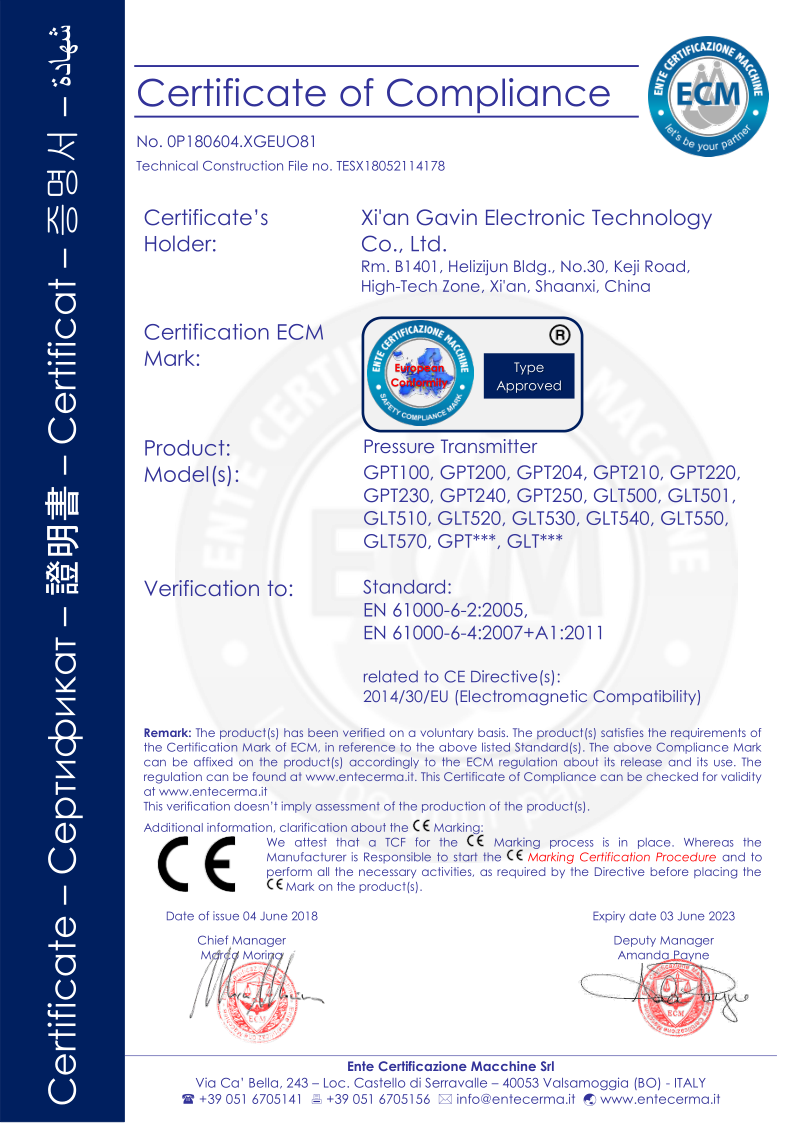
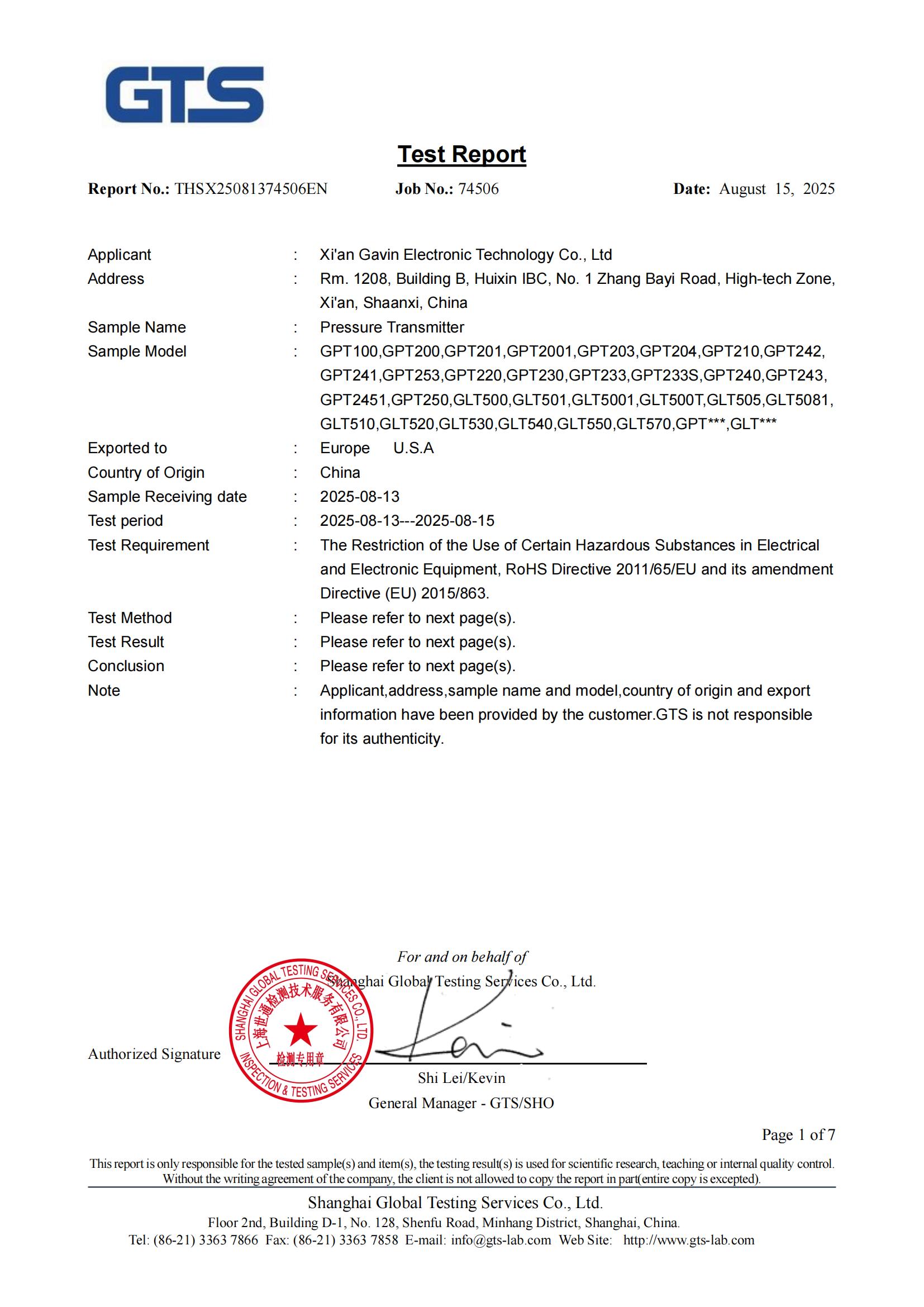
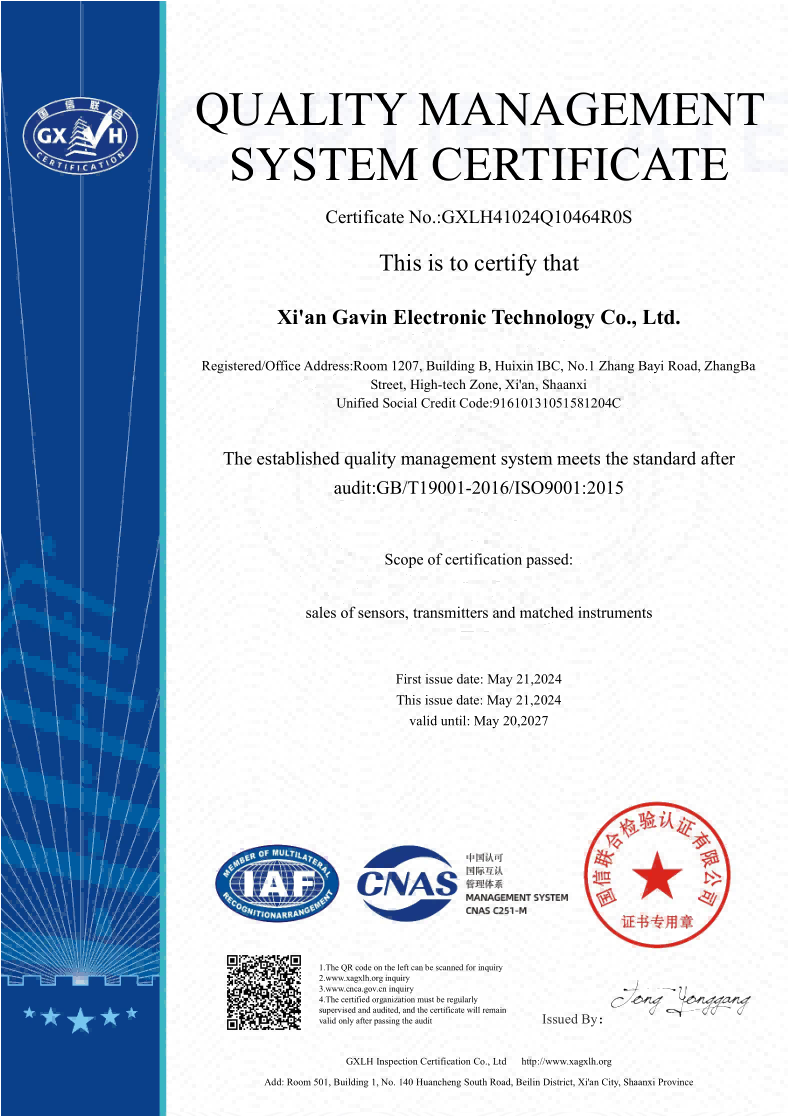
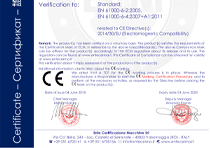
Purchasing managers and engineering teams looking for dependable oil tank level sensor sources will find that GAMICOS has a wide range of measurement options backed by a lot of experience in the field. Our GLT5001 oil tank level sensor uses both tried-and-true hydraulic measurement methods and up-to-date digital signal processing to give you the most accurate and long-lasting results in tough oil situations. Our sensors are ATEX certified to be explosion-proof, IP68 certified to protect against the elements, and come with a variety of mounting options, such as magnetic suction bases, so they can be used in a wide range of settings, from stationary fuel farms to mobile equipment companies.
We know that when you're dealing with B2B procurement issues, you need more than just high-quality goods. You also need quick technical help, the ability to make changes, and trustworthy supply chain partnerships. GAMICOS offers OEM/ODM services that let you make sensor specs, transmission protocols, and physical setups that are exactly what you need. Our tech team works together closely to choose the best products and make sure that the whole system works well in your unique situation.
Email our team at info@gamicos.com to talk about the needs of your fuel tracking project. We'll give you detailed technical advice, product demos, and cheap bulk purchasing quotes that help you meet your business goals and stick to your budget.
References
1. Smith, J. & Anderson, R. (2022). Industrial Liquid Level Measurement: Technologies and Applications. Industrial Automation Press.
2. Martinez, C. (2021). "Remote Monitoring Systems for Petroleum Storage Facilities." Journal of Industrial Process Control, 47(3), 215-232.
3. Thompson, L. (2023). Maritime Fuel Management: Best Practices for Vessel Operations. Marine Engineering Publications.
4. International Organization for Standardization. (2020). ISO 4266-4: Petroleum and Liquid Petroleum Products — Measurement of Level and Temperature in Storage Tanks. ISO Standards Catalog.
5. Chen, W. & Roberts, D. (2021). "Advances in Pressure Sensor Technology for Hazardous Location Applications." Sensors and Transducers Review, 34(2), 87-104.
6. Environmental Protection Agency. (2022). Underground Storage Tank Leak Detection Regulations: Technical Guidance Manual. EPA Office of Underground Storage Tanks.

Peter
Peter, Senior Sensor Technology Consultant, has 15-year industrial sensor R&D experience. He specializes in the end-to-end development of high-accuracy pressure and level sensors and he firmly believe, precision isn’t just a spec—it’s a promise.
We're here to help — submit your request anytime!
Let us know how we can help solve your pressure level measurement challenge.
_1757930850792.jpg)


Recommended Blog
How to Select the Right Level Pressure Sensor for Harsh Environments

Key Features to Look for in Submersible Level Transducers
How to Select the Right Level Pressure Sensor for Harsh Environments
Key Features to Look for in Submersible Level Transducers
How to Select the Right Level Pressure Sensor for Harsh Environments
Key Features to Look for in Submersible Level Transducers
How to Select the Right Level Pressure Sensor for Harsh Environments
Key Features to Look for in Submersible Level Transducers
How to Select the Right Level Pressure Sensor for Harsh Environments
Key Features to Look for in Submersible Level Transducers