Magnetostrictive Level Sensor Guide for Bulk Fuel Storage
Introducing Magnetostrictive Level Sensors: Principles and Advantages
- Introducing Magnetostrictive Level Sensors: Principles and Advantages
- Comprehensive Comparison: Magnetostrictive Sensors vs Other Level Measurement Technologies
- Installation and Operational Guidelines for Bulk Fuel Storage Tanks
- Procurement Guide: How to Choose and Buy Magnetostrictive Level Sensors?
- Industry Applications and Case Studies in Bulk Fuel Storage
- Conclusion
- FAQ
- Partner with GAMICOS for Advanced Magnetostrictive Level Sensor Solutions
- References
Managing large fuel storage needs accuracy, dependability, and the ability to keep an eye on things all the time, which is something that standard measurement technologies don't always manage to provide. The magnetostrictive level sensor is the best way to measure the level of a liquid. It was designed to work in harsh industrial settings where accuracy and dependability can't be sacrificed. It is very smart for these devices to use magnetostrictive principles to give accurate, real-time readings in fuel storage tanks. They work very well in a wide range of situations. This detailed guide looks at how magnetostrictive technology changes the way bulk fuel is stored. It explains how to choose the right sensors, how to install them correctly, and the practical benefits that make them essential for modern fuel management systems.
Introducing Magnetostrictive Level Sensors: Principles and Advantages
The magnetostrictive measurement concept is a big step forward in technology for tracking levels all the time. The way these sensors work is by tracking a float with a fixed magnet inside it as it moves along a center waveguide probe. When the control electronics of the sensor sends current pulses through the magnetostrictive wire, it creates a circular magnetic field that reacts with the magnetic field of the float. This creates a torsional wave that moves along the wire to the sensor head.
By measuring the time between the pulse release and wave arrival, it is possible to figure out exactly where the float is. This non-contact way of measuring gets rid of mechanical wear and provides higher levels of accuracy than regular float-based systems. The waveguide design makes sure that the signal stays strong even when temperatures change a lot, which can happen in places where bulk fuel is stored.

Key Technical Advantages
Modern magnetostrictive sensors have amazing performance features that solve important problems in fuel storage uses. Here are the main benefits these gadgets offer:
- The very high level of accuracy (0.1 mm resolution) makes it possible to precisely track goods and find leaks, which is necessary for regulatory compliance and practical efficiency.
- Absolute position output gets rid of drift issues and calibration needs, making sure that measures stay accurate for the whole sensor's life.
- The multi-level interface recognition feature lets you keep an eye on more than one liquid layer at the same time. This is especially helpful when you need to separate fuel and water or compare different fuel types.
- Stable temperature across -40°C to 70°C working ranges protects measurement accuracy no matter the time of year or how the device is stored.
These technical benefits directly lead to practical benefits that lower upkeep costs and raise the accuracy of measurements. Compared to other measurement technologies, the lack of regular calibration needs greatly lowers organizational overhead.
Comprehensive Comparison: Magnetostrictive Sensors vs Other Level Measurement Technologies
Knowing how Magnetostrictive Level Sensor technology stacks up against other ways of measuring helps buying teams make smart choices based on the needs of the application. Depending on the installation limitations, precise needs, and weather conditions, each technology has its own benefits.
Performance Analysis Across Technologies
Ultrasonic devices can measure without touching the object being measured, but they have trouble with vapor interference and changes in sound velocity that are caused by temperature, which can happen in fuel storage uses. While radar technology has great range, it has to deal with problems like changing dielectric constants and foam interference that often happen during fuel transfer operations.
When used in clean conditions, capacitive sensors work well, but their accuracy drops when fuel contamination changes the dielectric qualities. Float-based mechanical systems are easy to use, but they need to be serviced often because the parts wear out and can get stuck in thick fuels.
Magnetostrictive technology works great in these tough situations because it keeps measurements accurate no matter what the fuel is made of, whether there is gas present, or how the temperature changes. The sealed probe design keeps contaminants out and gives uniform performance across a range of fuels, such as gasoline, diesel, jet fuel, and heating oil.
Cost-Benefit Considerations
Magnetostrictive sensors usually have higher initial investment costs than easier technologies. However, figuring out their total cost of ownership shows that they have big long-term benefits. Within two to three years of operation, the higher price is usually worth it because of lower upkeep needs, no more regular calibration, and longer working lifespans.
Installation and Operational Guidelines for Bulk Fuel Storage Tanks
Using the right fitting methods will make sure that sensors work well and last a long time in harsh fuel storage settings. To get certain amounts of accuracy from magnetostrictive sensors, you have to pay close attention to how they are mounted, how they are wired, and how they are protected from the surroundings.
Installation Best Practices
Magnetostrictive Level Sensors work best when they are placed vertically, and when they are mounted on top, they are easier to reach for maintenance and calibration tasks. To keep the float from getting stuck and to make sure accurate readings throughout the tank's working range, the probe must stay perfectly straight.
Installation teams must make sure that there is enough space around the probe so that tank structures, agitators, or fill pipes don't get in the way and stop the float from moving. The mounting flange needs to be properly sealed to keep the tank's integrity and provide a safe way to connect the sensor that can handle vibration and temperature changes.
Electrical and Safety Considerations
Proper grounding and electrical security are still necessary for safe operation in places like fuel storage sites where the air could be explosive. The requirement for a 24V DC power source makes installation easier and ensures fundamentally safe operation when set up correctly with the right barriers and certification compliance.
When moving cables, they should stay away from areas with high temperatures and possible mechanical damage. They should also stay away from high-voltage power lines that could cause electromagnetic interference. Choosing the right conduit and installing it correctly are key to making sure that it works well for a long time in tough industrial settings.
Maintenance and Calibration Protocols
Instead of measuring accuracy, regular inspections should check the state of the float, the cleanliness of the probe, and the stability of the electrical connections. The exact measurement principle gets rid of the problems that come with drift that happen with other technologies. However, checking the results on a regular basis against known reference levels gives even more trust in important uses.
Solvents that are safe for both the fuel products and the sensor materials should be used in the cleaning process. The corrosion-resistant probe design can handle most cleaning agents. For specific chemical compatibility information, you should check the manufacturer's instructions.
Procurement Guide: How to Choose and Buy Magnetostrictive Level Sensors?
To buy sensors successfully, you need to carefully consider the technical specs, the supplier's skills, and the need for long-term assistance. Knowing the important selection factors helps buying teams find solutions that meet both current needs and the needs of growth in the future.
Critical Selection Parameters
When choosing between fixed and flexible probe types for a sensor, the measurement range needs to be taken into account. Rigid probes are good for use in tanks less than 3 meters deep, while cable-type probes can be used in tanks 20 meters deep or more. Accuracy standards have to weigh the need for precise measurements against the need to keep costs low and placement limitations in mind.
The right building materials and methods are chosen based on factors like temperature differences, changes in pressure, and chemical compatibility. For most fuel uses, stainless steel probes don't rust, but some metals are better at handling conditions that are very aggressive.
Supplier Evaluation Criteria
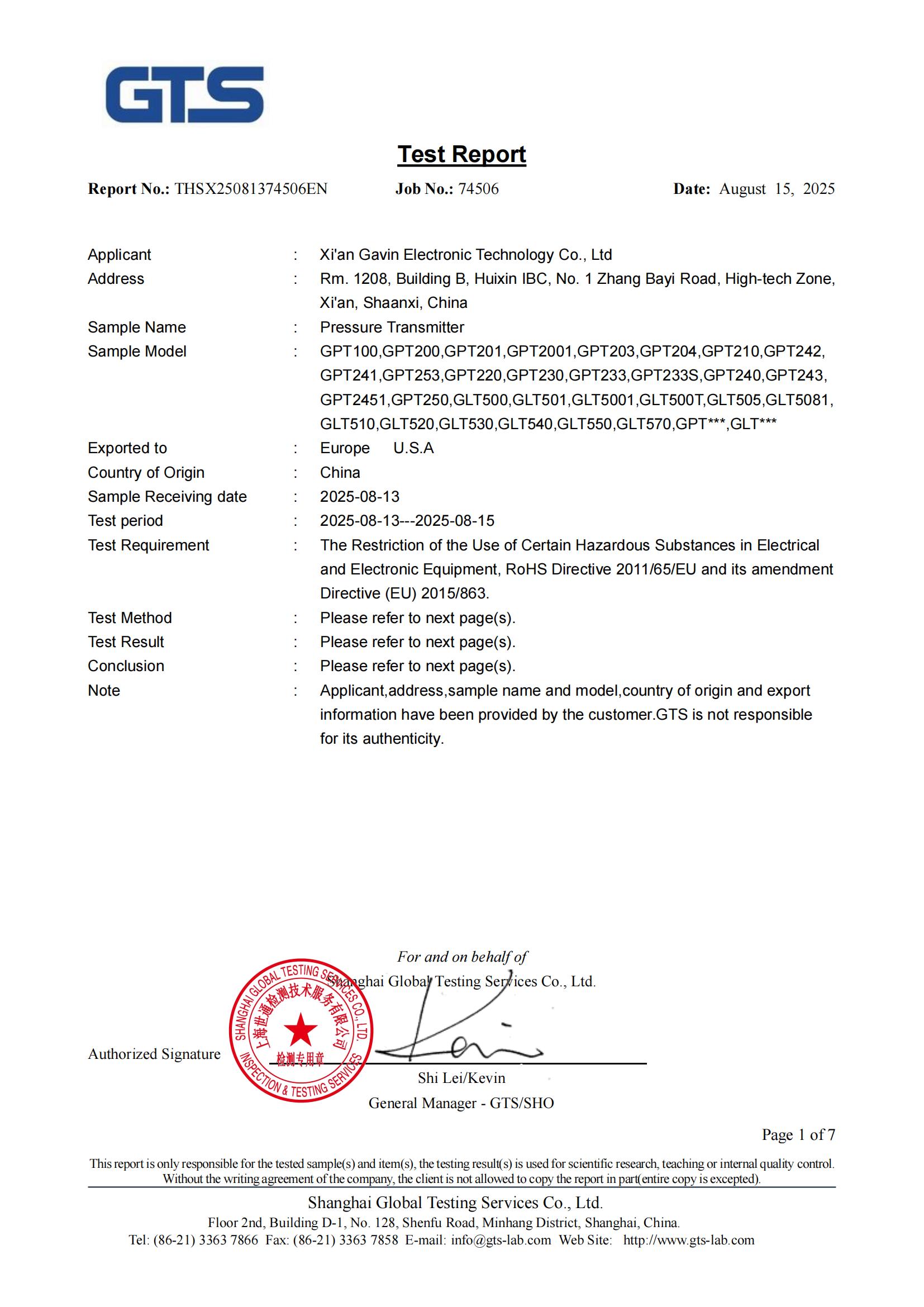
Trustworthy suppliers show they can provide full technical help, have quality certifications, and have a history of success in related projects. International approval, such as CE marking, RoHS compliance, and safety standards that apply, makes sure that the product can be used anywhere in the world and is accepted by regulators.
It's important to be able to customize things for OEM uses or special fitting needs. Suppliers who offer a range of interface choices, custom probe lengths, and unique mounting setups make applications more flexible while still keeping the standard level of product dependability.
The GAMICOS GLT621/622 Magnetostrictive Level Sensor linear level sensor is an example of a high-tech sensor design that works reliably and quickly in difficult conditions. These sensors can work with either a single or multiple floats, and they can give you both analog and digital outputs. They also have hard, flexible, and corrosion-resistant probe choices that meet the strict needs of the chemical industry.
Industry Applications and Case Studies in Bulk Fuel Storage
The usefulness of magnetostrictive sensors in a variety of fuel storage situations is shown by real-life examples. Knowing about these applications helps people who might use them find ways to make their operations better and cut costs.
Fuel Distribution Terminals
Installing magnetostrictive sensors in large fuel delivery facilities is a great way to keep accurate track of supplies and automate transfer control. After installing magnetostrictive sensors across their terminal network, a big oil distributor said that inventory errors went down by 30% and that they no longer had to do hand tank gauging.
It was very helpful that the sensors could pick up on various interface levels when mixing fuels and checking for water pollution. Setting off automatic alarms for high and low levels increased operating safety and protected workers from harmful fumes while inspecting tanks.
Aviation Fuel Storage
For aviation fuel control at airport fuel farms, where safety and following the rules expect the highest standards, measurements must be very accurate. Magnetostrictive sensors are very exact and can handle the harsh conditions that are common in flight facilities, making them perfect for tracking fuel usage.
Temperature compensation makes sure that readings are correct even though daily changes in temperature have a big effect on fuel amounts. Because the sensors are stable, there are no longer any calibration problems that would stop the fuel flow during busy journey times.
Emergency Generator Fuel Systems
Reliable tracking of fuel levels is needed to make sure that generators are available in case of an emergency in critical backup power systems. Magnetostrictive sensors are accurate and reliable enough for automatic fuel management systems to keep the right amount of fuel in the tank without any help from a person.
When building management systems are integrated, predictive repair schedules and automatic fuel supply coordination are made possible. Because the sensors are stable over time, they can keep track of fuel accurately even when they are stored for long periods of time, which is usual in emergency backup situations.
Conclusion
Magnetostrictive level sensors are the best way to store large amounts of fuel because they are accurate, reliable, and don't need much upkeep. The technology's built-in benefits, such as its high accuracy, ability to measure exact position, and ability to identify multiple interfaces, help fuel storage workers with important problems. When you choose the right sensors, place them correctly, and keep them in good shape, they will work at their best and give your business a lot of benefits, such as lower maintenance costs, more accurate inventory, and better safety compliance. Investing in good magnetostrictive sensor technology pays off in the long run because it works reliably and lasts longer, which makes up for the initial costs by lowering the total cost of ownership.
FAQ
What accuracy levels can magnetostrictive sensors achieve in fuel storage applications?
Modern magnetostrictive sensors can measure with an accuracy of up to 0.15 mm, which means they are very accurate for managing large fuel inventories. This level of accuracy lets you find small leaks, keep exact track of transfers, and make sure you're following the strict inventory accounting rules that are common in oil storage operations.
How do these sensors perform under extreme temperature conditions?
When used in temperatures ranging from -40°C to 70°C, magnetostrictive devices keep their reading accuracy without having to be calibrated. Temperature changes don't affect the measurement principle, and strong building materials make sure the mechanical stability even in places where fuel is stored outside, where temperatures change often.
What are typical lead times for customized magnetostrictive sensor solutions?
Standard magnetostrictive sensor configurations usually ship within two to four weeks. Customized solutions with unique probe lengths, materials, or interface needs may take six to eight weeks, based on how complicated the specifications are. Bulk orders are often given priority ordering, and if enough are placed, wait times may be shortened.
Do magnetostrictive sensors require special safety certifications for fuel storage applications?
Magnetostrictive sensors of good quality have the right safety licenses for placements in dangerous areas, such as ATEX, IECEx, and FM approvals for use in explosive atmospheres. These certifications make sure that operations can continue safely in settings with fuel fumes while keeping measurement accuracy high and meeting strict safety standards.
Partner with GAMICOS for Advanced Magnetostrictive Level Sensor Solutions
GAMICOS is a reliable company that makes magnetostrictive level sensors and offers cutting-edge measurement solutions to more than 100 countries around the world. Our GLT621/622 line uses both tried-and-true magnetostrictive technology and cutting-edge engineering to meet the tough needs of large fuel storage applications. We offer complete OEM/ODM services, a lot of knowledge in the field, and committed expert support. This lets us create custom solutions that solve specific operational problems and make sure that regulations are followed and operations are safe. Email our engineering team at info@gamicos.com to talk about how you need to measure the level of fuel in your storage and find out how our advanced sensor technology can help your business run more smoothly by giving you reliable, low-maintenance level tracking options.
References
1. Smith, J.M. I. Anderson and R.K. Article from the Industrial Measurement and Control Journal in 2023 called "Advanced Level Measurement Technologies in Petroleum Storage Systems."
2. Wilson, David P. The Safety and Instrumentation Quarterly published an article in 2022 called "Magnetostrictive Sensor Applications in Hazardous Area Installations."
3. Thompson, L.R. The Process Control Engineering Review published a paper in 2023 called "Comparative Analysis of Level Measurement Technologies for Bulk Liquid Storage."
4. Martinez, James E. It was published in 2022 in Industrial Automation Technology as "Installation and Maintenance Best Practices for Magnetostrictive Level Sensors."
5. Brown, S.A. Oil and Gas Technology, 2023, published a paper called "Cost-Benefit Analysis of Advanced Level Measurement Systems in Fuel Storage Operations."
6. Johnson and K.T. Environmental Protection and Safety at Work, 2022. "Regulatory Compliance and Safety Standards for Fuel Storage Level Monitoring Systems."

Halen
With over 12 years of experience in fluid sensing technology, Halen specializes in helping clients select and optimize oil level sensors for a wide range of industries—including automotive, marine, heavy machinery, and energy.
We're here to help — submit your request anytime!
Let us know how we can help solve your pressure level measurement challenge.

_1757930850792.jpg)





Recommended Blog
Magnetostrictive Level Transmitters for Large-Scale Fuel Storage Tanks

Smart Bulk Fuel Inventory Management with Magnetostrictive Technology
Magnetostrictive Level Transmitter vs Magnetic Float Level Sensor

Magnetostrictive Level Transmitter Solutions for Fuel Industry
Industrial Magnetostrictive Level Transmitter Supplier in Asia
Magnetostrictive Level Transmitter Supplier in Southeast Asia

Benefits of Magnetostrictive Level Sensors in Oil Storage Tanks
Magnetostrictive Level Transmitter vs Magnetic Float Level Sensor
Magnetostrictive Level Transmitter Solutions for Fuel Industry
Industrial Magnetostrictive Level Transmitter Supplier in Asia
Magnetostrictive Level Transmitter Supplier in Southeast Asia
Benefits of Magnetostrictive Level Sensors in Oil Storage Tanks
Magnetostrictive Level Transmitter vs Magnetic Float Level Sensor
Magnetostrictive Level Transmitter Solutions for Fuel Industry
Industrial Magnetostrictive Level Transmitter Supplier in Asia
Magnetostrictive Level Transmitter Supplier in Southeast Asia
Benefits of Magnetostrictive Level Sensors in Oil Storage Tanks