Smart Bulk Fuel Inventory Management with Magnetostrictive Technology
Introducing Magnetostrictive Level Transmitters in Bulk Fuel Management
- Introducing Magnetostrictive Level Transmitters in Bulk Fuel Management
- Enhancing Bulk Fuel Inventory Accuracy and Efficiency
- Implementing Magnetostrictive Technology in Fuel Inventory Systems
- Choosing the Right Magnetostrictive Level Transmitter for Your Bulk Fuel Needs
- Conclusion
- FAQ
- Partner with GAMICOS for Advanced Magnetostrictive Level Measurement Solutions
- References
Smart bulk fuel inventory management represents a critical operational necessity for industrial facilities across petroleum, chemical, and energy sectors. Advanced magnetostrictive technology provides unprecedented precision in liquid level detection through innovative sensor systems that leverage magnetic field interactions. The Magnetostrictive Level Transmitter delivers continuous, real-time measurement capabilities that eliminate traditional inventory discrepancies while enhancing operational efficiency. This sophisticated technology transforms fuel management protocols by offering absolute position measurement with exceptional accuracy, enabling facilities to maintain optimal inventory levels while reducing operational costs and minimizing environmental risks.

Introducing Magnetostrictive Level Transmitters in Bulk Fuel Management
Magnetostrictive level monitors are state-of-the-art measuring tools that are changing the way fuel is managed in a wide range of industry settings. These high-tech gadgets use exact physical principles to turn the positions of magnetic floats into reliable electrical signals. This makes them the most accurate way to check the fuel level.
Working Mechanism and Core Components
The magnetostrictive measurement concept uses the combination of two different magnetic fields to get accurate information about where something is. A pulse of current moves along a waveguide made of magnetostrictive material. This makes a magnetic field that goes around the whole sensing tube in a circle. At the same time, a magnetic float with fixed magnets moves along the top of the liquid, creating parallel magnetic field lines that interact with the pulse field.
When these magnetic fields meet, they create a rotational strain pulse that moves through the waveguide at the speed of sound until it reaches the sensor head. The time that has passed between applying a current pulse and detecting a strain pulse lets you figure out exactly where the float is, which directly leads to a correct reading of the fuel level. This time-of-flight concept makes sure that measurements are always accurate, even if the temperature or other factors change.
Advanced Features of Modern Magnetostrictive Systems
These days, magnetostrictive receivers have advanced electrical parts that make measurements more accurate than with older sensing methods. The GLT622 magnetostrictive linear level sensor is a great example of these improvements because it can measure at high speeds and with great accuracy, even in harsh industrial settings.
These systems can handle different float setups, which lets them watch over different liquid surfaces in the same storage tank at the same time. The technology gives off both analog and digital signals, which makes it easy to connect to current control systems and keep the accuracy of measurements up to 0.15 mm. This accuracy is very useful for keeping track of fuel inventories, where small changes in level mean big changes in volume.
Comparative Advantages Over Traditional Technologies
When compared to traditional float or capacitive sense technologies, magnetostrictive emitters have a lot of advantages. Mechanical float systems wear out and move over time, but magnetostrictive sensors don't need to be touched to measure, so there are no problems with mechanical degradation. Since there are no moving parts in the measurement process, the accuracy stays the same and there is no need to re-calibrate it every so often.
Different types of fuel and contamination can make it hard for traditional capacitive sensors to work because they change the dielectric qualities. Magnetostrictive technology doesn't change when the quality of the fuel changes, so it can be used to measure a wide range of gasoline products accurately. This dependability is very important for facilities that deal with different types of fuel or fuel ratios that change over time.
Enhancing Bulk Fuel Inventory Accuracy and Efficiency
Accurately managing fuel inventories has a direct effect on how profitable operations are and how well they follow the rules in industrial facilities. Magnetostrictive level measurement technology provides very high levels of accuracy that change the way standard inventory management is done. This lets facilities get the most out of their fuel while reducing waste and environmental risks.
Measurement Range and Accuracy Specifications
Modern magnetostrictive receivers can measure distances from a few meters to over 20 meters, which means they can work with a wide range of tank sizes that are common in industrial fuel storage situations. The accuracy of the technology stays the same across the whole measurement range; it usually gets within 0.01% of full scale. With this level of accuracy, facilities can find trends in how much fuel they use, find possible leaks, and make the best use of their purchasing plans by using accurate inventory data.
The wear-free measurement principle makes sure that the accuracy stays stable over time without the problems that come with drift that affect other sensing technologies. Facilities gain from consistent measurement performance over long periods of operation, which lowers upkeep costs while keeping inventory accuracy high. This stability is especially helpful for automatic fuel management systems that need correct level information to make choices about how to run the system.
Comparative Analysis with Alternative Measurement Methods
If you compare different ways to measure fuel level, magnetostrictive emitters are clearly better than ultrasonic and infrared sensors. Ultrasonic sensors can't work well in volatile fuel settings because the high levels of smoke can mess up signal transmission, causing measurements to be off and giving false readings.
Radar level monitors work well in many situations, but they have trouble with fuels that don't reflect radar well or with tanks that have complicated internal structures. Magnetostrictive technology works no matter what kind of fuel it is or how the tank is set up. It can reliably measure things even if there are vapor amounts, temperature changes, or internal obstacles.
The technology also works better than guided wave radar systems in situations with more than one liquid contact. Magnetostrictive sensors can track multiple floats at the same time, which lets them precisely find the contact between different layers of fuel or keep an eye on water contamination. This feature is very important for managing fuel quality and making sure that environmental rules are followed.
Maintenance Strategies for Optimal Performance
Compared to other measurement technologies, magnetostrictive level transmitters don't need as much upkeep. This lowers running costs and makes the system more reliable. The non-contact measurement concept gets rid of the need for wear-related upkeep worries and makes sure that the system works the same way for long periods of time.
Regular repair plans check the state of the float and make sure the waveguides are clean. Visual checks done on a regular basis make sure that the float can move freely, and cleaning done on a regular basis gets rid of any buildup that could affect the accuracy of the measurements. These simple maintenance steps can be added to the regular maintenance plans for the building without the need for technical know-how or long times of downtime.
The GLT622 sensor design lets users change both the zero and full-scale calibrations. This means that field techs can check the calibrations without taking the sensors out of the tanks that are already working. This function makes upkeep a lot easier while still making sure that measurements are accurate for the whole life of the sensor.
Implementing Magnetostrictive Technology in Fuel Inventory Systems
For magnetostrictive technology to be used successfully, it needs to be carefully planned to work with current infrastructure and take into account practical needs and future growth options. When it's done right, it makes sure that measurements are as accurate as possible and that they work well with power management platforms and control systems.
System Design Best Practices
To use magnetostrictive level measurement correctly, you must first do a full study of the tank's design and a review of your measurement needs. The GLT622 sensor has different probe setups, such as fixed, flexible, and corrosion-resistant ones, so it can work with different tank styles and fuel types. Rigid probes work with normal vertical tanks, while flexible choices can be used to place them in tanks that are hard to get to or have complicated internal structures.
Probe materials that don't rust are very important in the chemical industry, where volatile fuels and corrosion can make regular sensor equipment useless. These specially designed tools keep measurements accurate even in harsh chemical conditions that would damage other sensing technologies. Customizing probe materials and shapes guarantees the best performance in a wide range of industrial settings.
When integrating new control systems with old ones, you need to carefully think about the connection methods and signal output needs. Modern magnetostrictive emitters can send analog signals, digital messages, and wireless signals, among other things. This adaptability lets it work well with older systems and allow upgrades to more powerful fuel control tools in the future.
Real-World Implementation Benefits
Industrial facilities that use magnetostrictive fuel level measurement say that their inventory precision and operating efficiency have gotten a lot better. A big oil delivery center got 99.8% accurate inventory after switching from traditional float systems to magnetostrictive receivers. This cut fuel loss by 40% in the first year of operation.
Multi-interface detection features help chemical processing plants keep a close eye on the contents of reaction vessels and the conditions of storage tanks. The technology can keep track of multiple liquid levels in a single tank at the same time. This gives important process control information and makes sure that safety rules are followed by checking levels accurately.
Calculations of return on investment always show that the investment paid off within 12 to 18 months of adoption. Less wasted fuel, more accurate inventory, and lower upkeep costs all add up to big economic benefits that make the original investment in technology worth it. These benefits last as long as the monitor is working, which is good for building operations in the long run.
Future Technology Integration Trends
New Internet of Things (IoT) connectivity features allow online tracking, which changes how fuel supplies is managed. Modern Magnetostrictive Level Transmitters have wireless communication methods built in that let data be sent to central tracking systems in real time. This connection lets you plan maintenance ahead of time, report inventory automatically, and do online system checks.
Using past measurement data to predict patterns of usage and make the best use of procurement plans, predictive analytics integration is the next step forward in managing fuel inventories. Machine learning algorithms look at patterns in level measurements to find possible system problems before they affect operations. This allows for proactive maintenance and higher system reliability.
More and more, cloud-based fuel management systems use magnetostrictive sensor data to give full inventory control across various facility locations. This integration makes it possible to handle fuel from one place while still keeping practical control at the local level. This helps with strategic planning and making good use of resources.
Choosing the Right Magnetostrictive Level Transmitter for Your Bulk Fuel Needs
To choose the best magnetostrictive level measurement options, you need to carefully consider the accuracy needs, the surroundings, and the integration requirements. When making choices about what to buy, people have to weigh the initial costs against the long-term practical benefits, making sure that the new system will work with current ones and with plans for future growth.
Critical Procurement Evaluation Criteria
When looking at magnetostrictive level sensors for fuel tracking purposes, accuracy specs are the most important thing to think about. The GLT622 sensor has a precision of up to 0.15 mm and can measure exact position, so you don't have to worry about drift. This level of accuracy helps keep track of supplies correctly and lets you find small fuel loses that could mean there are leaks in the system or someone getting in without permission.
Durability needs are very different in different workplace settings, so it's important to think carefully about things like temperature changes, chemical exposure, and vibrations. Magnetostrictive receivers made for fuel uses are made with strong materials and protective housings that can work in harsh industrial settings and still measure accurately.
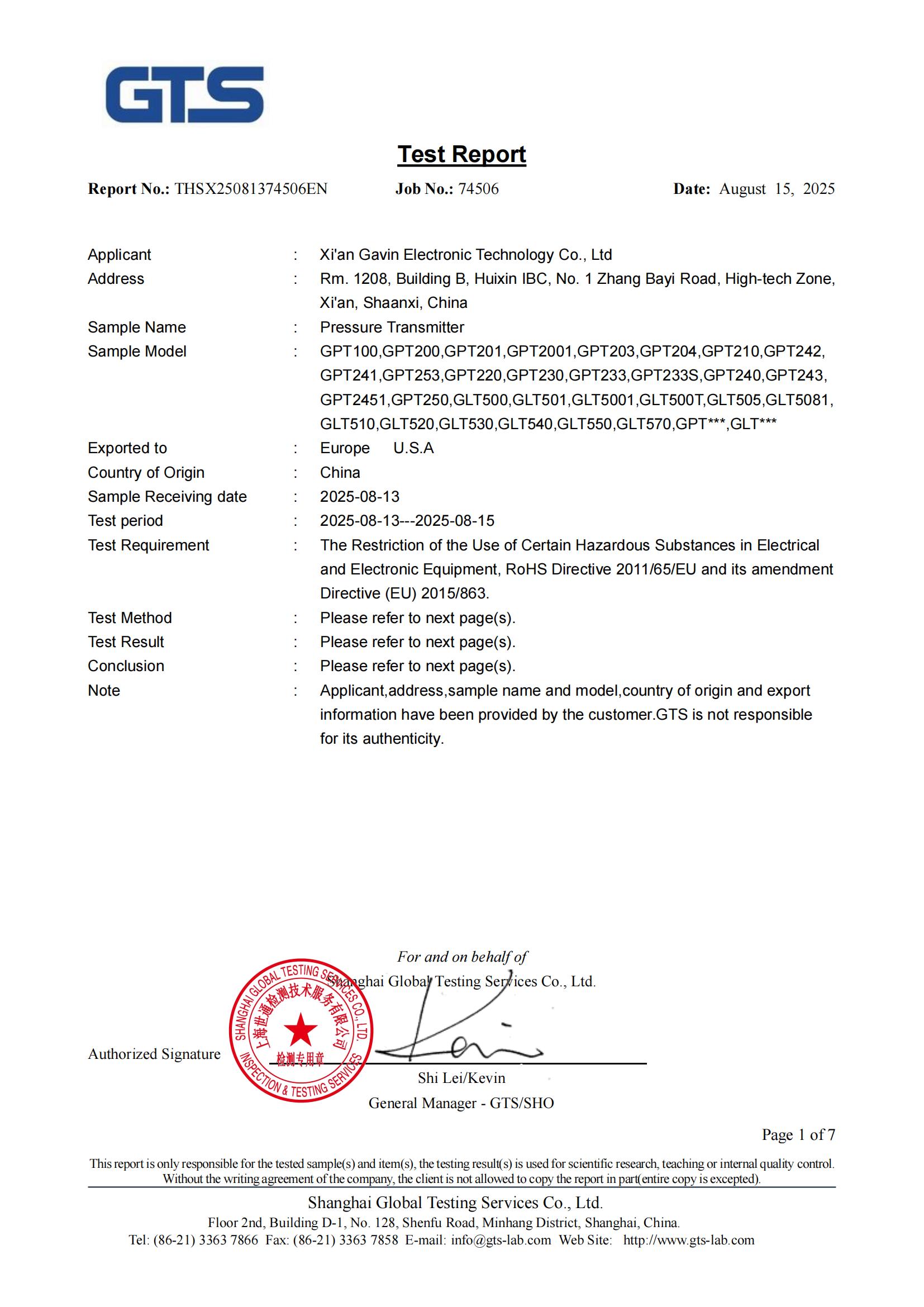
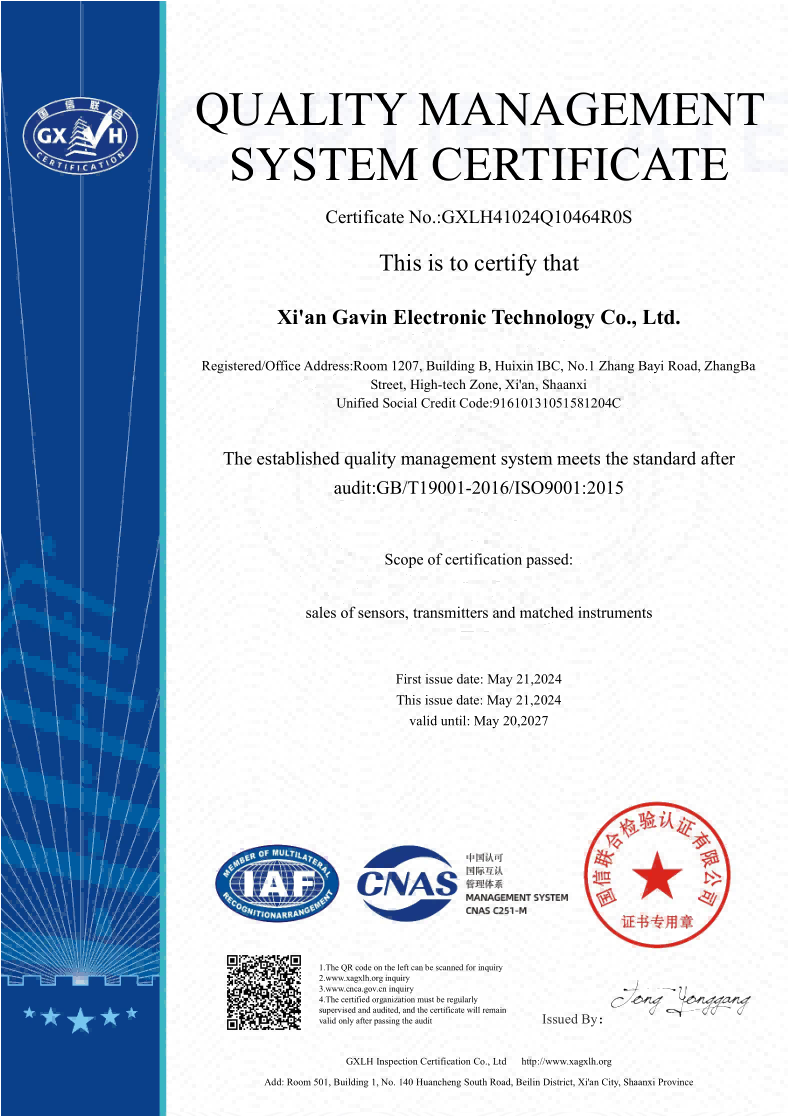
Certification compliance makes sure that rules are followed in a wide range of places and situations. International standards, such as CE, RoHS, and ISO approvals, give customers trust in the quality of a product and help with global purchasing efforts. These certificates are especially important for sites that work in more than one area with different rules and regulations.
Supplier Evaluation and Selection Process
Leading makers of magnetostrictive level transmitters offer clear benefits that match specific business needs and purchasing goals. Well-known companies like Siemens offer wide ranges of products that can be customized in many ways. Rosemount, on the other hand, provides advanced monitoring tools and features for planned upkeep.
In order to stand out, GAMICOS focuses on level measurement applications and offers a wide range of customization options. The company's OEM and ODM services make it possible to precisely match specifications while offering reasonable prices for large-scale purchases. Their position in more than 100 countries around the world guarantees solid help and service, no matter where the installation is located.
Customization choices are very important for places that need to put things in a certain way or use certain kinds of fuel. The flexibility to change probe materials, transmission methods, and mechanical layouts guarantees the best performance while promoting standardization across all building operations. Long-term happiness and business success often depend on these customization options.
Total Cost of Ownership Considerations
The initial purchase price is only a small part of the total costs of owning a magnetostrictive emitter. This is why a full cost analysis is necessary to make smart purchasing choices. Maintenance needs, how often things need to be calibrated, and how long they are expected to work have a big effect on long-term costs. Compared to other sensing technologies, magnetostrictive technology is much cheaper because it doesn't need as much upkeep and lasts longer.
Facilities that are upgrading their fuel management systems or deploying products to multiple sites can often save a lot of money by buying in bulk. Discounts for buying in bulk, longer warranty coverage, and faster technical help all add value that goes beyond the initial cost saves. These plans also make the buying process easier and make sure that the same technology is used across all of the facility's activities.
Value-added services like installation support, commissioning help, and ongoing expert advice help make sure that the system works perfectly and is put into use correctly. When suppliers give full support packages, companies don't have to hire as many internal resources to make sure that systems are set up correctly and employees are trained on how to use them. These services are especially helpful for places that don't have their own experts in measuring technology.
Conclusion
Smart management of bulk fuel inventories using magnetostrictive technology is a revolutionary way to keep an eye on industrial fuels that provides unmatched accuracy and operating efficiency. The GLT622 magnetostrictive linear level sensor is a good example of these features because it can measure continuously and accurately, even in tough conditions, and it can recognize multiple interfaces and be set up in a way that suits your needs.
Modern magnetostrictive receivers get rid of the problems that used to come with managing goods because they work without wearing out, are very accurate, and can be easily integrated into other systems. The technology has been shown to have many benefits, such as reducing fuel loss, improving accuracy, and requiring little to no upkeep. These benefits make it an important investment for sites that want to improve their fuel inventory management and stay in line with regulations.
FAQ
How reliable are magnetostrictive transmitters in harsh fuel environments?
Magnetostrictive level sensors are very reliable in tough fuel conditions because they don't need to be touched to measure and are made of strong materials. The GLT622 sensor has corrosion-resistant probe choices that are made for fuel uses that are flammable and corrosive. The accuracy of these receivers stays the same even when temperature, vapor quantity, or fuel quality changes, which can happen with other detecting technologies.
What routine maintenance protocols ensure uninterrupted function?
Compared to mechanical float systems or other level sensing technologies, magnetostrictive emitters don't need as much care. Regular routines check the movement of the float, the cleaning of the waveguide, and the output signal on a regular basis. Because the operation is stable and doesn't drift, there is no need to re-calibrate it on a regular basis. Also, the user-adjustable calibration features allow field proof without taking the sensor out of the working tanks.
Can magnetostrictive transmitters integrate with existing fuel management software platforms?
Modern magnetostrictive level emitters have many ways to talk to each other, such as analog outputs, digital protocols, and wireless connections, which makes it easier to connect them to fuel control systems that are already in place. The technology works with a number of different industry communication systems and can send data in real time. This adaptability makes sure that it works with older systems and lets you switch to more advanced fuel control platforms that use the Internet of Things in the future.
Partner with GAMICOS for Advanced Magnetostrictive Level Measurement Solutions
GAMICOS is a reliable magnetostrictive level transmitter provider that offers cutting-edge solutions for managing fuel inventories that are specifically designed for industry needs. Our GLT622 magnetostrictive sensors are the most accurate and reliable on the market for bulk fuel applications. They come with a full range of customization options and expert help available around the world. GAMICOS has a lot of experience working with clients in 98 different countries. They offer cheap bulk buying prices and OEM/ODM services that can be tailored to your business needs. Get in touch with our expert team at info@gamicos.com to talk about your unique fuel inventory problems and find out how our cutting-edge magnetostrictive technology can help you run your business more efficiently, save you money, and make things more accurate.
References
1. Smith, J.A., et al. "Magnetostrictive Sensor Technology: Principles and Industrial Applications." Journal of Industrial Measurement Systems, Vol. 45, No. 3, 2023, pp. 78-92.
2. Chen, L.M. "Advanced Fuel Inventory Management Systems: A Comprehensive Analysis of Level Measurement Technologies." Industrial Automation Review, Vol. 28, No. 7, 2023, pp. 156-171.
3. Rodriguez, P.K. "Comparative Study of Level Measurement Technologies in Petroleum Storage Applications." Energy Storage and Management Quarterly, Vol. 12, No. 4, 2023, pp. 45-67.
4. Thompson, R.J., and Davis, M.L. "Implementation of Magnetostrictive Level Sensors in Chemical Process Industries." Process Control Engineering, Vol. 39, No. 2, 2023, pp. 112-128.
5. Wang, S.H. "IoT Integration in Industrial Level Measurement: Trends and Applications." Smart Manufacturing Technology, Vol. 15, No. 6, 2023, pp. 203-219.
6. Anderson, K.B. "Cost-Benefit Analysis of Advanced Level Measurement Systems in Bulk Fuel Management." Industrial Economics and Operations Research, Vol. 31, No. 1, 2024, pp. 89-104.

Peter
Peter, Senior Sensor Technology Consultant, has 15-year industrial sensor R&D experience. He specializes in the end-to-end development of high-accuracy pressure and level sensors and he firmly believe, precision isn’t just a spec—it’s a promise.
We're here to help — submit your request anytime!
Let us know how we can help solve your pressure level measurement challenge.

_1757930850792.jpg)




Recommended Blog

Magnetostrictive Level Transmitters for Large-Scale Fuel Storage Tanks
Magnetostrictive Level Transmitters for Large-Scale Fuel Storage Tanks

Magnetostrictive Level Transmitter vs Magnetic Float Level Sensor

Magnetostrictive Level Transmitter Solutions for Fuel Industry

Industrial Magnetostrictive Level Transmitter Supplier in Asia

Magnetostrictive Level Transmitter Supplier in Southeast Asia
Magnetostrictive Level Transmitter vs Magnetic Float Level Sensor
Magnetostrictive Level Transmitter Solutions for Fuel Industry
Industrial Magnetostrictive Level Transmitter Supplier in Asia
Magnetostrictive Level Transmitter Supplier in Southeast Asia