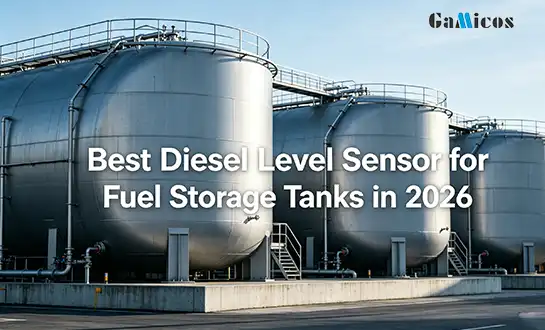
How Fuel Tank Sensors Improve Fuel Inventory Accuracy
Understanding Fuel Tank Sensors and Their Impact on Inventory Accuracy
- Understanding Fuel Tank Sensors and Their Impact on Inventory Accuracy
- Core Benefits of Using Advanced Fuel Tank Sensors in B2B Fuel Management
- Comparing Fuel Tank Sensor Solutions: Making the Right Choice for Your Fleet or OEM
- Installation and Troubleshooting Guide for Optimal Sensor Performance
- Future Trends and Innovations Elevating Fuel Inventory Accuracy
- Conclusion
- FAQ
- Partner with GAMICOS for Superior Fuel Tank Sensor Solutions
- References
Fuel tank sensors change the way inventory is managed by giving accurate, real-time readings of the fuel amount that get rid of guesswork and mistakes made by hand. These devices use advanced pressure-sensing technology to constantly measure the amount of fuel in use. This gives accurate information that helps fleet managers, industrial operators, and oil companies keep accurate records of their supplies. Modern fuel tank sensor systems replace old manual dipstick methods with automated digital monitoring. This stops fuel theft, avoids costly overfilling incidents, and makes sure that inventory reporting standards are met. In the end, this turns fuel management from a reactive task into a proactive strategic advantage for B2B operations.

Understanding Fuel Tank Sensors and Their Impact on Inventory Accuracy
For inventory control to work well in all kinds of industries, fuel measurements must be accurate. When it's not clear what the fuel level is or when readings are off, companies lose a lot of money because of theft that goes unnoticed, billing problems, and inefficient refueling plans.
How Different Sensor Technologies Measure Fuel Levels?
Several tried-and-true methods are used to measure fuel today, and each one works best in a certain setting. Pressure-based sensors, especially those that use silicon piezoresistive elements, measure the fuel column's hydraulic pressure to accurately figure out the volume. As the fuel level changes, capacitive sensors pick up on changes in the capacitance between two wires. These sensors work reliably even when the temperature changes. Ultrasonic devices send out sound waves that hit the surface of the fuel and bounce back. The time-of-flight is used to figure out the distance. Wireless IoT devices send data from afar, so checks don't have to be done by hand and tracking can be done from one place for multiple tanks.
Why Precision Matters in Fuel Inventory Management?
The accuracy of measurements has a direct effect on how profitable a business is and how well it follows the rules. When organizing big amounts of fuel at gas stations, oil depots, or marine boats, even small mistakes (within 1% to 2% of the true amount) can cost a lot of money. Incorrect readings can cause you to reorder too soon, pay too much to store your goods, or run out of fuel unexpectedly, all of which can stop your business from running smoothly. Regulatory agencies are asking for more and more proof of fuel accountability. This means that businesses that deal with petroleum products need to be able to accurately measure their goods in order to stay legal.
Common Sensor Issues That Compromise Data Integrity
Over time, a number of things make sensors less useful. Changes in temperature cause fuel to expand and contract, which can lead to measurement mistakes if numbers aren't corrected automatically for changes in temperature. Water, silt, or organic growth can get into sensors and make them not work properly. This is especially true for sensitive and resistive technologies. Signal noise that hides real fuel levels is caused by mechanical movements in mobile uses like ships and tanker trucks. Electrical interference from nearby equipment can mess up sensor readings, and corrosive fuel additives or hard weather can damage sensors and shorten their useful lives. Getting around these problems involves building strong sensors and being able to handle signals intelligently.
Core Benefits of Using Advanced Fuel Tank Sensors in B2B Fuel Management
Reliability, accuracy, and working efficiency are important in industrial fuel control. Modern measurement tools make real improvements in all three aspects, which changes how businesses keep track of and handle their fuel assets.
Real-Time Monitoring Eliminates Manual Reconciliation
Continuous digital tracking with a fuel tank sensor takes the place of time-consuming manual measurement steps that stop work and leave room for mistake. Automated sensors give managers quick access to a complete picture of the current fuel levels across the entire building networks. This lets them use central control rooms to access consolidated inventory data. This real-time information helps just-in-time ordering tactics keep costs low by avoiding expensive stockouts and keeping capital from being stuck in extra inventory. When connected to business resource planning systems, sensor data goes straight into financial and purchasing processes, so there is no need to enter the same information twice and there is less work for administrators to do.
Enhanced Accuracy Prevents Costly Inventory Discrepancies
High-precision monitors can pick up on small changes in the fuel level that people using manual methods would miss. This method of accuracy is shown by the GAMICOS GLT5001 liquid fuel level sensor. This device has a very reliable silicon piezoresistive pressure sensor core and also has automatic temperature adjustment and programmable digital circuit correction to keep it accurate even when the working conditions change. During production, the sensor goes through strict tests for pressure cycles, aging, and environmental modeling. This makes sure that the measurements are stable, which stops the inventory problems that happen with other systems. Because it is fully welded and has an IP68 grade for protection, it will last in tough industrial settings where measurement accuracy directly affects profits.
Maintenance Considerations and Lifespan Expectations
When properly designed and put, high-quality sensors work for years without any repairs. In continuous-duty uses, industrial-grade devices usually last longer than five years, and some pressure-based sensors work regularly for ten years or more. Some important things that affect how long something lasts are choosing the right materials that are chemically compatible with the fuels being used, making sure the area is safe from water and other contaminants, and making sure the electrical designs are strong enough to handle sudden changes in power. To make sure long-term operating reliability, procurement professionals should look at warranty terms, the availability of replacement parts, and the expert support skills of the maker when choosing providers.
Strategic Procurement Factors for B2B Applications
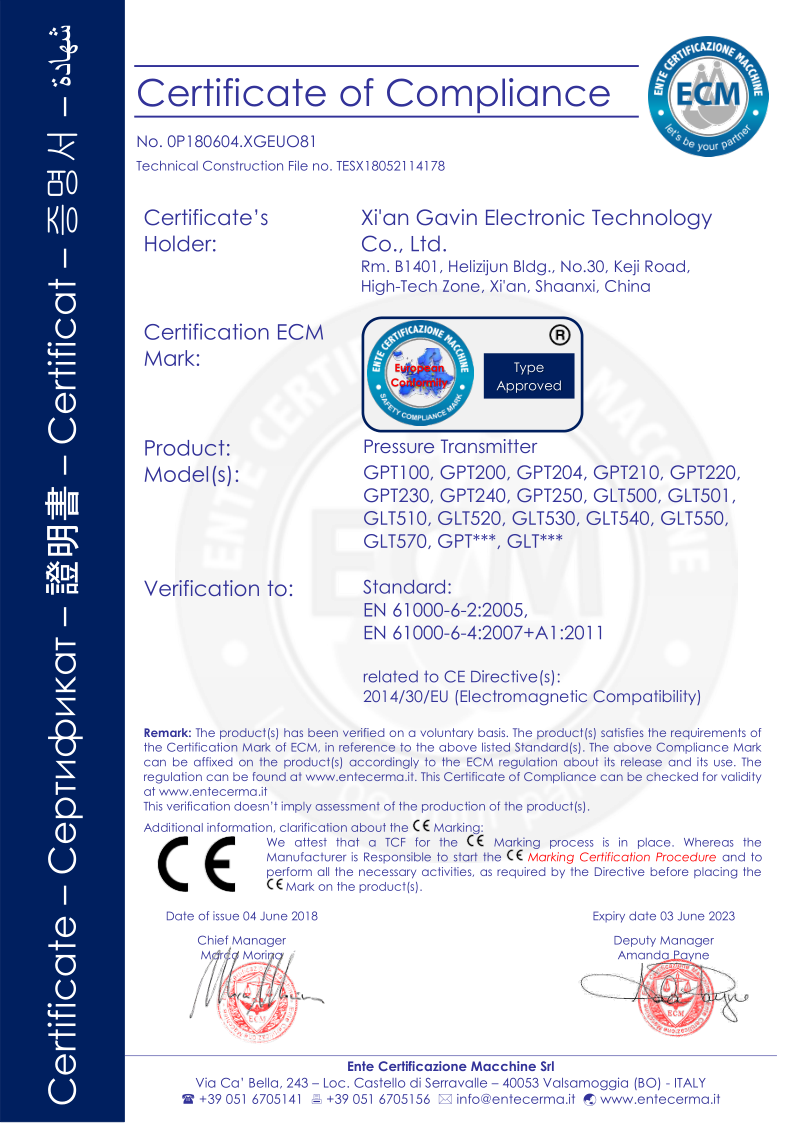
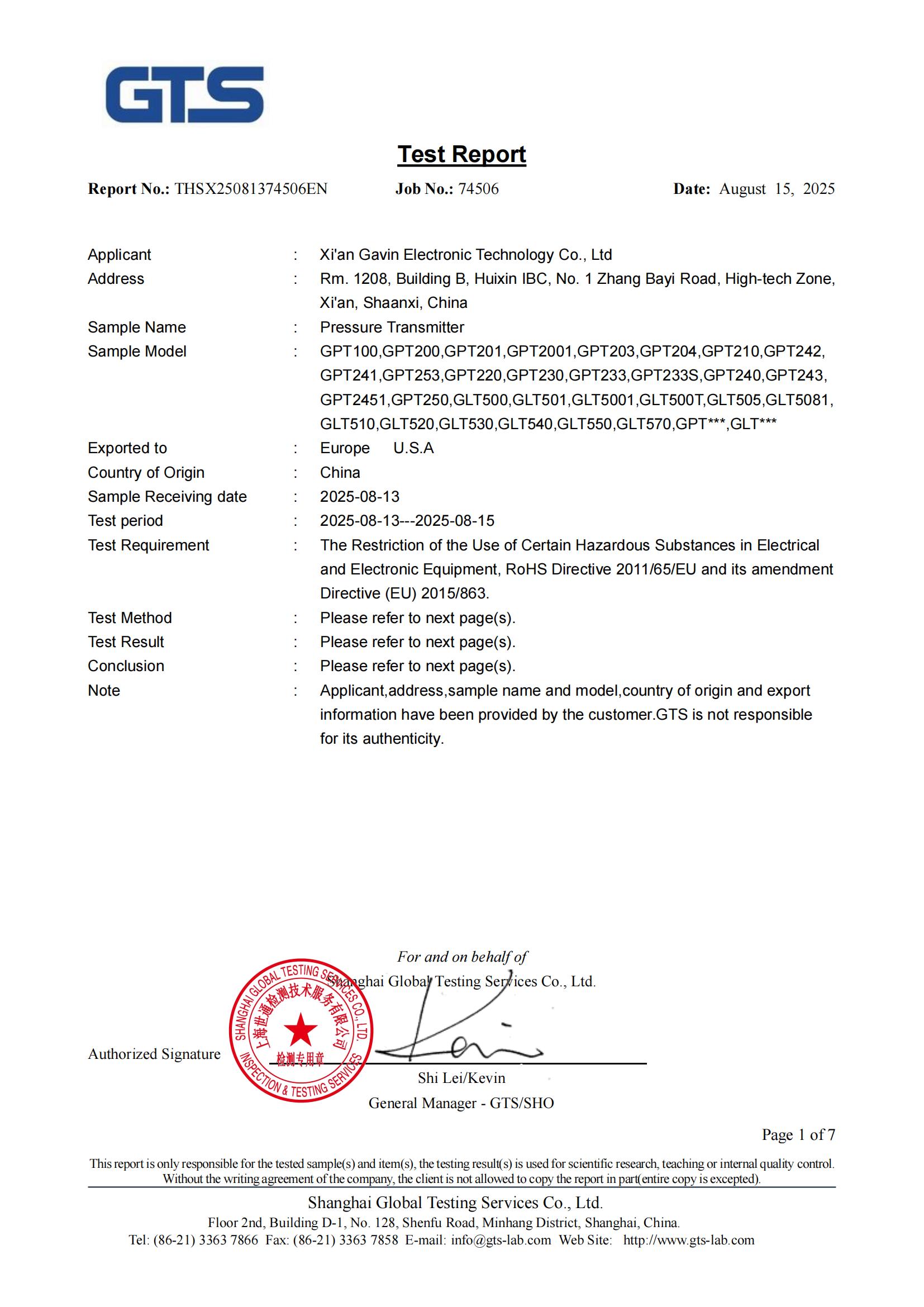
Technical specs and operational needs must be in line with each other for sensor placement to go well. To make sure that new products work well with current control systems, engineering managers should give preference to sellers that can customize their products. This includes giving different output signal formats, connection protocol choices, and adjustable measurement ranges. Companies that do business in more than one legal area need to make sure they follow foreign standards like CE, RoHS, and ATEX certification. When handling large-scale deployments or OEM production needs, being able to supply in bulk and keeping to delivery dates becomes important. Quick technical support and thorough after-sales service also help keep downtime to a minimum when problems arise.

Comparing Fuel Tank Sensor Solutions: Making the Right Choice for Your Fleet or OEM
To choose the right measurement technology, you need to carefully look at the needs of the application, the limitations of the placement, and the total cost of ownership.
Wired Versus Wireless Sensor Architectures
When you use wired sensors, you don't have to worry about battery life or wifi signal confusion. They always work the same way. These systems work best in permanent sites where running wires isn't a big problem. They provide steady power and data transfer. On the other hand, wireless solutions offer the most placement options, which is especially helpful for retrofitting, mobile equipment, or short-term tracking situations. The GAMICOS GLT5001 works with both of these methods because it has a number of output choices, such as normal analog signals, digital protocols, or wireless transmission. This lets customers choose the connection method that works best for their infrastructure and operations.
Application-Specific Selection Criteria
Marine fuel tracking with a fuel tank sensor needs to be very durable and not easily damaged by shaking. The GLT5001's magnetic suction base with anti-vibration design solves these problems, allowing safe mounting in boats where tough saltwater conditions and constant movement would normally damage other sensors. The device keeps an eye on the fuel tanks, ballast tanks, freshwater supplies, and sewage sections. This helps keep the ship safe and runs smoothly. Its approval as explosion-proof meets strict marine safety standards for settings with volatile fuels.
Different skills are needed to keep an eye on fuel storage tanks at gas stops, oil depots, and airports. Here, accurate measurements are combined with safety certificates and monitoring of multiple parameters, such as temperature differences and the positions of the oil-water contact. The GLT5001's temperature compensation and customizable correction methods keep it accurate even when temperatures change in above-ground storage tanks. Its ATEX, CE, and RoHS certifications make sure it meets all international safety standards.
Evaluating Performance Specifications and Cost-Effectiveness
When buying something, people have to weigh the prices of the whole life of the item against the budget and how well it works technically. Inventory precision is directly affected by accuracy standards, which are usually given as a percentage of full scale or an exact measurement error. Durability signs, such as ingress protection ratings, working temperature ranges, and vibration tolerance, tell you how often to repair or do maintenance on something. Integration difficulty is affected by the type of output signal.
Standardized standards such as 4-20mA, RS485, or HART make integration easier and faster by allowing different control systems to talk to each other. When looking at the total cost, you should think about things like staff for installation, help with commissioning, ongoing upkeep, and possible downtime costs when sensors fail. This is where higher-quality sensors often end up being more cost-effective, even if they cost more at first.
Installation and Troubleshooting Guide for Optimal Sensor Performance
Long-term measurement accuracy and operating dependability are directly affected by how well the equipment is installed. Even sensors that are technically better don't work well if they are put wrong or aren't kept properly.
Pre-Installation Planning and Site Assessment
Thorough planning is the first step to a successful rollout. Check that the chosen sensors are compatible with the size of the tank, the type of fuel, and the surroundings. Make sure that the mounting sites have enough space around them and stay away from places where there is a lot of turbulence, foam buildup, or sediment buildup that can change the results. Check that the sensor's output signals and the equipment that receives them are electrically compatible. This includes checking the power needs, signal protocols, and grounding requirements. Review the safety rules for working with hazardous materials and make sure that the installation teams have the right licenses. When welding or cutting is needed, they must also follow the facility's hot-work permits.
Step-by-Step Installation Procedures
Different types of sensors have different placement steps, but they all follow these general rules:
First, remove or lower the fuel level to a safe working height. Make sure to follow all environmental rules for handling and getting rid of fuel. Thoroughly clean the fixing surfaces, getting rid of any rust, scale, or other contaminants that could stop the connection from being secure or create leak paths. Position sensors that work according to the manufacturer's instructions. Usually, they measure from the bottom of the tank to avoid reading the air space.
The GLT5001's integrated design makes this process easier. It has both threaded fixing for fixed installs and magnetic suction attachment for mobile tank uses where mounting without drilling is better. Protect the environment by putting dielectric grease on the leads and heat-shrink tubes on the wire joints of all electrical connections. To avoid electrical noise and static discharge dangers, make sure the grounding is correct.
After the mechanical fitting of the fuel tank sensor is done, the sensor values should be matched to known fuel volumes. Fill tanks to exact levels while recording sensor outputs at several places across the working range. Program any offset or span changes that need to be made to fix systematic mistakes, and write down the results of the calibration for future use and for regulatory checks.
Diagnostic Approaches for Common Performance Issues
Systematic troubleshooting finds the root causes when devices give numbers that aren't clear. Check that the levels coming from the power source meet the needs of the sensors. Outputs that aren't stable or enough can cause problems. Check the actual mounting for any signs of rust or looseness that could affect how it connects to the tank. Check electrical lines for water getting in, loose leads, or wiring that isn't working right. Check that the fuel's properties match the sensor's requirements. This is especially important when fuel types change or when water or particles get into the fuel from pollution. When you compare sensor readings to measurements you take by hand, you can figure out how much of a mistake there is and whether the sensor needs to be recalibrated or replaced.
Recognizing When Professional Assistance Is Required
Basic fixing can fix a lot of problems, but sometimes you need an expert to help. If precision problems persist even after proper calibration, it could mean that the internal sensors are degrading and need to be evaluated by the maker. Integration problems that are too complicated and involve communication methods or programming for control systems are often too hard for support staff to handle. For safety-critical tasks, like those that involve explosive atmospheres or toxic materials, you need trained techs who know how to work in dangerous areas. Building relationships with responsive providers who offer expert advice and quick replacement parts keeps production from stopping when problems get too big for the company to handle.
Future Trends and Innovations Elevating Fuel Inventory Accuracy
Fuel tracking skills are always changing as technology improves, creating chances to stand out in the market and improve operations.
IoT Integration and Cloud-Based Analytics
Wireless sensor networks linked by LoRa, GPRS, NB-IoT, or 4G networks make it possible to see fuel reserves that are spread out in different places. Cloud platforms collect data from hundreds or thousands of tanks and use machine learning algorithms to find outliers that could mean theft, leaks, or changes in the measurements. Predictive analytics predicts how things will be used, which automates reordering and improves delivery operations. Mobile apps give managers instant access to fuel inventories from anywhere, which helps them make decisions quickly and gets rid of the delays that come with standard reporting processes.
Artificial Intelligence and Predictive Maintenance
AI-driven systems look at past data on how well sensors have worked to predict problems before they happen. These algorithms plan preventive maintenance for planned breaks instead of waiting for problems to happen by finding minor patterns of signal degradation. This proactive method increases the life of sensors, lowers the cost of emergency service, and keeps inventory access constant, which is important for just-in-time operations. When smart systems see how fuel behaves in different tank shapes, they suggest changes that will make measurements more accurate based on where and how the sensors are placed.
Strategic Implications for Procurement Professionals
When buying new technologies, it's important to focus on tactics that are flexible and build relationships with vendors. Sourcing managers should give more weight to suppliers that show they are always coming up with new ideas. This can be seen in their busy research and development programs, patent libraries, and partnerships with academic institutions. OEM partnerships are getting more valuable because they let companies use the newest sensor technologies in their own designs without having to go through long development processes. Long-term relationships with suppliers give you strategic benefits by giving you early access to new products, better prices on large orders, and quick technical help that speeds up the release of new products.
Conclusion
Fuel tank sensor technology, such as the GAMICOS GLT5001, turns inventory precision from a problem to an edge in the market. Pressure-based technologies provide accurate measurements that get rid of expensive errors and help industries like oil, marine, and manufacturing stay in line with regulations. To make deployment work, you need to make sure that the sensor's capabilities match the needs of the application, follow the right installation steps, and choose providers that offer customization, approval, and quick support. As the Internet of Things (IoT) and predictive analytics improve measurement tools, procurement workers who work with innovative makers set up their companies to maintain operational success in markets that are becoming more competitive.
FAQ
Q1: How do I know when my fuel tank sensor needs replacement?
A: Several signs show that the sensor is getting worse. If the reading mistakes keep going beyond what is allowed by calibration, it means that an internal component is failing. Erratic changes that have nothing to do with the moving of the fuel itself are a sign of electrical or mechanical damage. If a physical check shows corrosion, cracked housings, or ruined wires, the item needs to be replaced right away. Many current sensors have built-in troubleshooting tools that let you know when a self-test fails, giving you time to fix the problem before it completely stops working.
Q2: Should I choose professional installation or self-installation?
A: How hard it is to install relies on the program. In-house repair teams with basic electrical skills can usually handle simple replacement installs using the same sensor types and mounting holes that have already been set up. Professional help is needed for new setups that are very complicated, especially ones that need to be done in dangerous areas that need to be explosion-proof or that involve integrating control systems. Marine and aviation uses always need qualified techs who know the safety rules and paperwork needs of their unique industries.
Q3: What factors most significantly influence sensor accuracy?
A: Temperature adjustment is one of the most important factors for accuracy because fuel density changes a lot as the temperature changes. In tanks with irregular shapes or internal features that create measurement dead zones, the position of the mounting changes the readings. If you don't protect and ground your equipment properly, electrical noise from close equipment will lower the signal quality. All types of sensors can't work properly when there is contamination in the fuel, especially when water or sediment builds up. Even with these problems, long-term precision is kept up by regularly checking the calibration.
Partner with GAMICOS for Superior Fuel Tank Sensor Solutions
GAMICOS makes industrial-grade products for measuring liquid level and pressure that are designed for tough B2B uses all over the world. With its silicon piezoresistive technology, automatic temperature correction, IP68 environmental protection, and explosion-proof approval, our GLT5001 diesel level sensor shows how dedicated we are to accuracy, dependability, and customization. As an experienced maker of fuel tank sensors for the oil, marine, energy, and industrial control industries in more than 100 countries, we offer full OEM and ODM services that are suited to your exact needs.
Our engineering team works with you on your project from the first design phase to the final completion of the installation. They offer quick technical help and reliable service after the sale. Get in touch with our purchasing experts at info@gamicos.com to talk about large sales, custom setups, or measurement problems that are unique to your application. Find out how GAMICOS turns accurate fuel supplies into a business edge.
References
1. Smith, J.R., and Thompson, M.L. (2021). "Advanced Fuel Measurement Technologies for Industrial Applications." Journal of Process Control and Instrumentation, 48(3), 217-234.
2. Peterson, A.K. (2020). "Pressure Sensor Design Principles for Liquid Level Measurement in Petroleum Industries." International Review of Mechanical Engineering, 14(6), 412-428.
3. Martinez, C., and Zhang, H. (2022). "IoT-Enabled Fuel Inventory Management: Case Studies in Marine and Aviation Sectors." Industrial Automation Quarterly, 29(2), 89-107.
4. Richardson, D.P. (2019). "Calibration and Maintenance Best Practices for Hydrostatic Level Sensors." Measurement Science and Technology Review, 35(4), 301-319.
5. Anderson, L.W., and Kumar, S. (2023). "Predictive Maintenance Strategies for Fuel Tank Monitoring Systems." Journal of Industrial Engineering Management, 16(1), 45-62.
6. Williams, T.G. (2021). "Temperature Compensation Techniques in Pressure-Based Level Sensors for Petroleum Applications." Sensors and Transducers Journal, 252(8), 33-48.

Spring
Spring, With 5 years of experience in sensor technology and product development, Mark specializes in helping clients identify the optimal pressure and level sensor solutions for demanding industrial environments。
We're here to help — submit your request anytime!
Let us know how we can help solve your pressure level measurement challenge.
_1757930850792.jpg)



Recommended Blog