Pressure Sensors with Wear Compensation in Pump Trucks
Understanding Hydraulic Pressure Sensors in Pump Trucks
- Understanding Hydraulic Pressure Sensors in Pump Trucks
- Challenges with Traditional Hydraulic Pressure Sensors and the Need for Wear Compensation
- How to Choose Hydraulic Pressure Sensors with Wear Compensation for Pump Trucks (Decision Support)
- Implementing and Maintaining Hydraulic Pressure Sensors with Wear Compensation
- Future Trends and Innovations in Wear-Compensated Pressure Sensors for Pump Trucks
- Conclusion
- FAQ
- Partner with GAMICOS for Advanced Hydraulic Pressure Measurement Solutions
- References
Extreme hydraulic pressures are used by pump trucks, so they need to be closely watched to avoid costly breakdowns and keep workers safe. Modern hydraulic pressure sensors with wear compensation technology solve a problem that has been around for a long time: how to keep measurements accurate even though the parts are constantly breaking down and being stressed mechanically. Wear-compensated devices instantly change their output to combat drift caused by diaphragm fatigue, seal deterioration, and environmental exposure. This is different from traditional sensors that lose accuracy over time. This new technology changes how routine maintenance is done and cuts down on unplanned downtime. Procurement managers need these sensors to make sure that machines keep working well for a long time in heavy construction, material handling, and concrete pumping, where the integrity of the hydraulic system directly affects productivity.

Understanding Hydraulic Pressure Sensors in Pump Trucks
What Is a Hydraulic Pressure Sensor?
A hydraulic pressure sensor picks up on changes in fluid pressure and turns mechanical force into electrical signs. When hydraulic fluid pressure changes, the detecting element, which is usually a diaphragm, deforms. This causes changes in the resistance, capacitance, or strain gauge behavior. The data is then turned into standard outputs (4-20 mA, 0-10V, or digital protocols) that can be used with controls, displays, and tracking systems by signal conditioning circuits. With this real-time info, workers can find problems with the system before they become catastrophic.
How Does a Hydraulic Pressure Sensor Work?
There are five steps that make up the working system. The hydraulic fluid presses on the sensor diaphragm, which can be seen as distortion. This change in the transduction element's electrical qualities is caused by the strain gauges, piezoresistive crystals, or capacitive plates. The transduction device turns mechanical force into basic electrical signals. Then, signal conditioning circuits boost and clean these signals. Controllers or tracking systems use the processed output to make decisions, such as setting off alarms or changing how the pump works based on predetermined limits.
Key Sensor Technologies for Pump Truck Applications
Different types of sensors are best for different types of operations. Strain gauge pressure sensors attach resistance elements to sensing diaphragms. They work very accurately and dependably in aircraft and industrial settings. Piezoresistive sensors use semiconductor materials to detect mechanical stress. They offer high sensitivity in small sizes that are popular with companies that make medical and transportation equipment. Capacitive sensors sense changes in the distance between the electrode and the diaphragm. They are stable in low-pressure situations. Resonant pressure sensors detect changes in the frequency of vibrating parts, which keeps aircraft and defense systems accurate over time. Depending on the pressure range, the environment, and the reaction time needed, each technique has its own benefits.
Real-World Applications in Pump Truck Operations
Pressure sensors in pump trucks keep an eye on a number of important factors. Accurate pressure data are needed for boom actuation systems to safely control the speeds of extension and return. Concrete delivery lines need to be carefully watched over to keep them from getting clogged and to get the best material flow rates. Instantaneous pressure data is used by emergency shutdown devices to stop work when numbers go above safe limits. Predictive maintenance programs look at patterns in pressure to plan when to change parts before they break. This lowers running costs and makes equipment last longer.
Challenges with Traditional Hydraulic Pressure Sensors and the Need for Wear Compensation
Common Failure Modes in Conventional Sensors
Traditional hydraulic pressure sensors have known patterns of wear and tear that make measurements less accurate. Sensor drift happens when the materials in the diaphragm wear out from repeated loads, which moves the zero and span calibrations over time. Signal noise gets worse when seal quality drops, letting water and other contaminants damage electrical parts. Response lag happens when mechanical parts lose their flexibility, which makes it take longer to notice a key pressure change. Changes in temperature make these problems worse by causing mismatched thermal expansion between sensing parts, which makes the accuracy even worse.
Operational Consequences of Sensor Degradation
When pressure readings are wrong, they cause a chain reaction of practical problems. When concrete pumps use bad data, they could over-pressurize, which could damage the hoses and let dangerous materials out. Under-pressurization lowers flow rates, which causes projects to take longer and costs more to run. Maintenance teams waste time and money looking into fake alarms that sensors that are moving cause. When sensors fail too soon, damaging customer relationships and the brand's image, equipment makers have to deal with warranty claims.
How Wear Compensation Technology Solves These Problems
Wear correction programs look at sensor output patterns all the time, finding small changes from what should happen. Modern microprocessors compare readings in real time to performance baselines that have been saved. They then use corrective factors to keep accuracy standards. Self-diagnostic processes find patterns of wear and tear, which lets maintenance teams know about problems before they happen. This adaptive method increases the operating life of sensors from the usual 18–24 months to 48 months or longer, which greatly reduces the number of replacements needed and the costs of downtime.
Case Study: Concrete Pumping Fleet Performance Improvement
A big business that rents out building equipment changed the sensors in 120 concrete pump trucks with models that are more resistant to wear. Over the course of 18 months, they saw a 63% drop in repair calls linked to sensors and the end of three catastrophic hose failures that were caused by mistakes in pressure monitoring. Maintenance plans were changed from every three months to every six months. This saved about $280,000 in labor and parts costs and increased fleet availability by 12%. This shows how wear compensation technology has a direct effect on business success.
How to Choose Hydraulic Pressure Sensors with Wear Compensation for Pump Trucks (Decision Support)
Critical Performance Specifications
When buying teams look at hydraulic pressure sensors, they should put a high priority on a number of technical factors that determine how well they will work. Most standards for accuracy run from ±0.25% to ±1.0% of full scale. Models that are wear-compensated keep their tolerances tighter over time. Response time needs are different for each use case. For example, boom control systems need response times of 10 milliseconds, while tracking of reservoirs can handle delays of 100 milliseconds. Pressure range compatibility must meet the working parameters of the system with enough safety gaps, usually 1.5 times the maximum predicted pressure.
Here are the essential selection criteria that directly impact total cost of ownership:
- Environmental resistance specifications: IP67 or IP69K ratings protect against moisture, dust, and high-pressure washdown methods that are widespread in concrete pumping settings. This keeps electronics from breaking down too soon.
- Temperature compensation capabilities: Operating ranges from -40°C to +125°C can handle harsh weather and the warmth of hydraulic fluid during heavy activities.
- Electrical interface options: 4-20 mA current loops keep noise out of long cable runs, and digital standards (CANbus, IO-Link) let you do advanced troubleshooting and set up from afar.
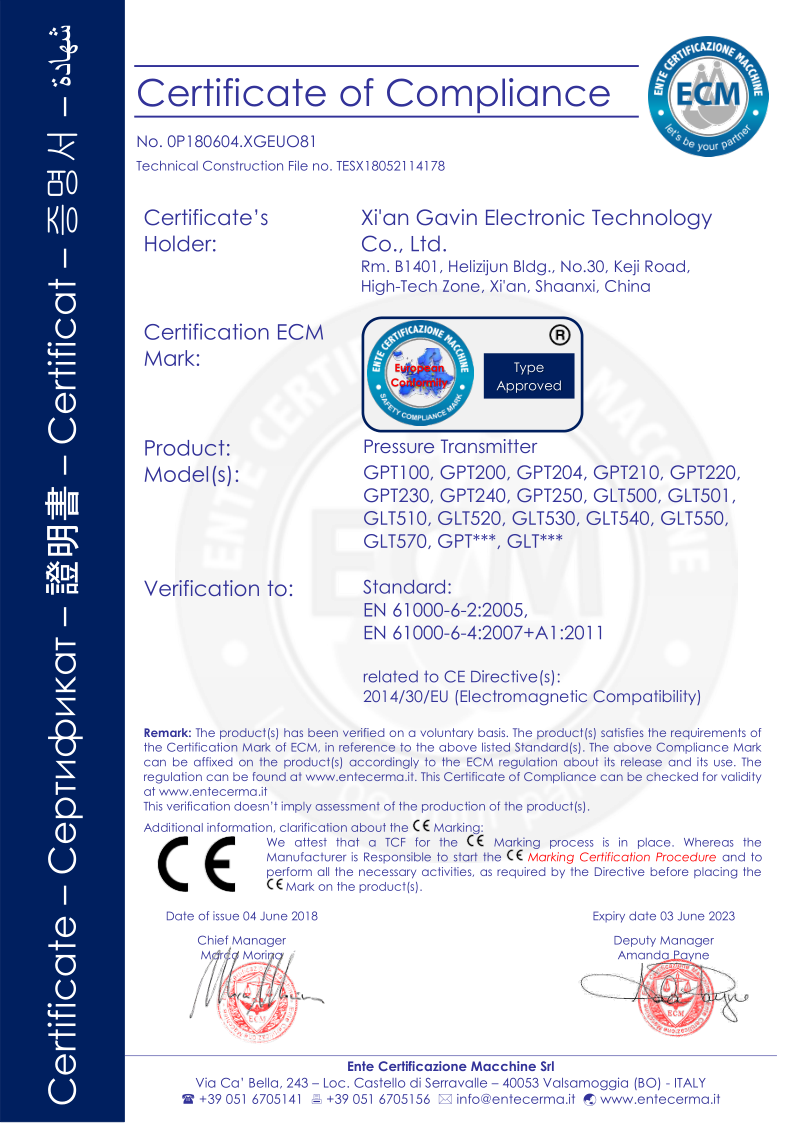
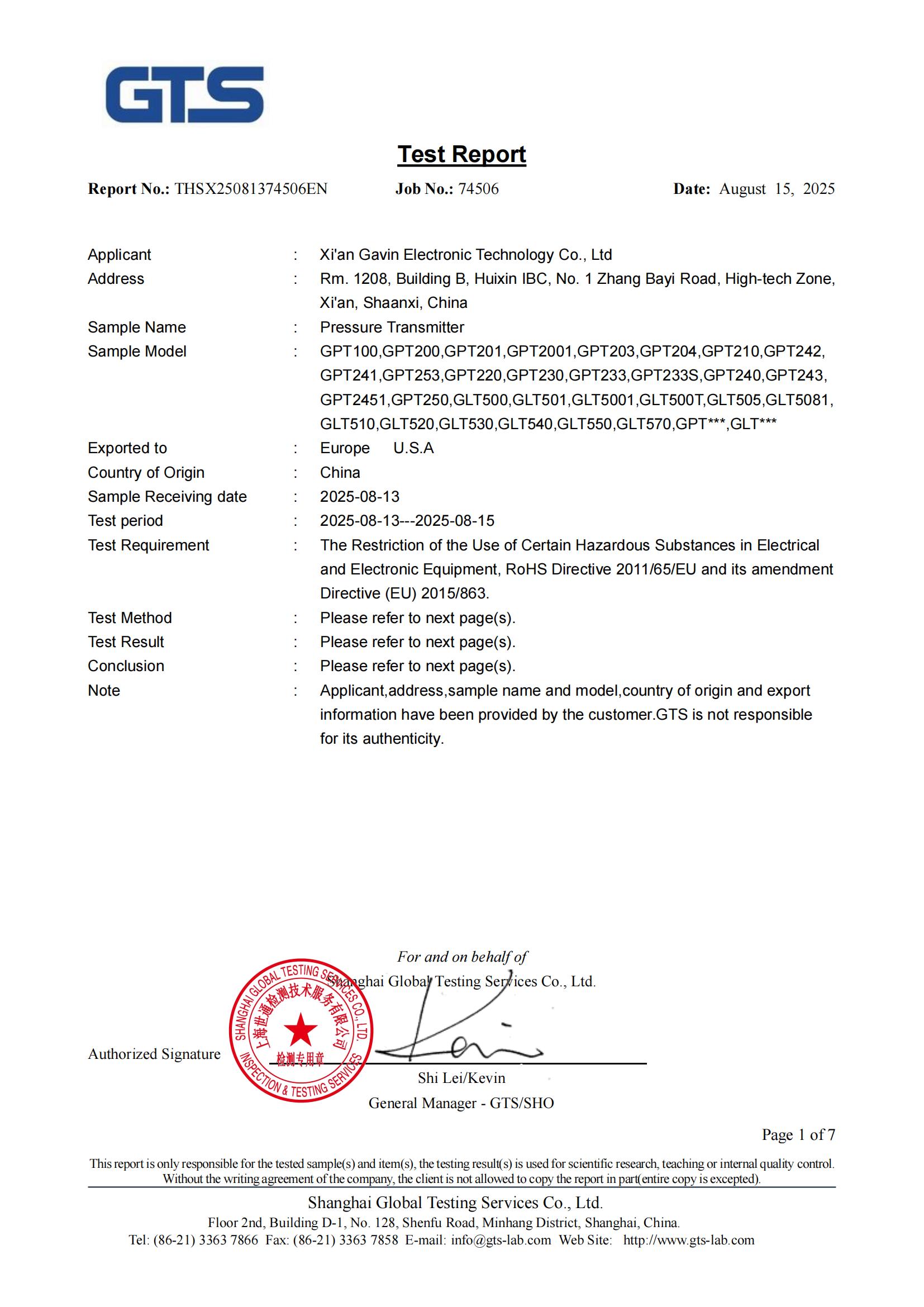
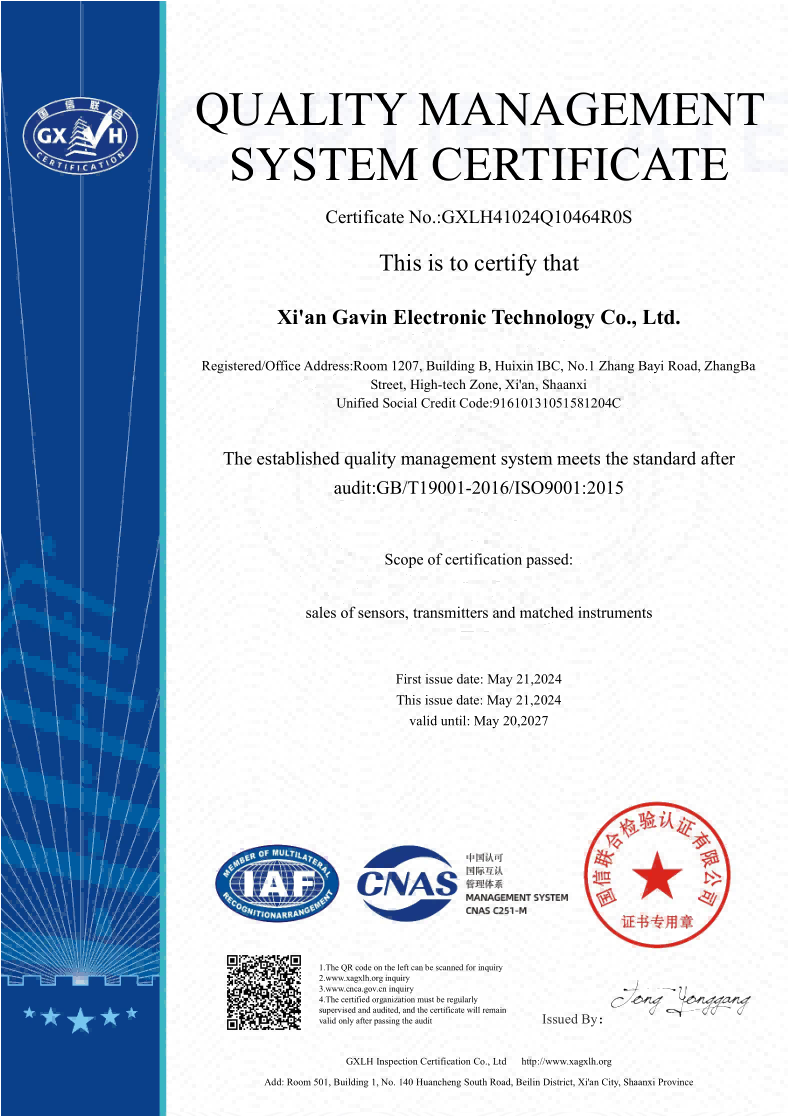
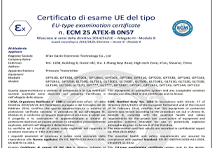
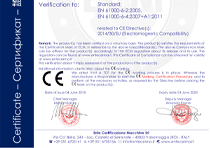
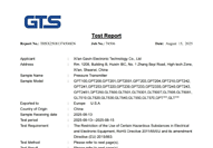
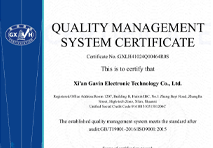
- Certification compliance: CE, RoHS, and ISO 9001 certifications show that the product meets quality standards needed for foreign trade and government approval.
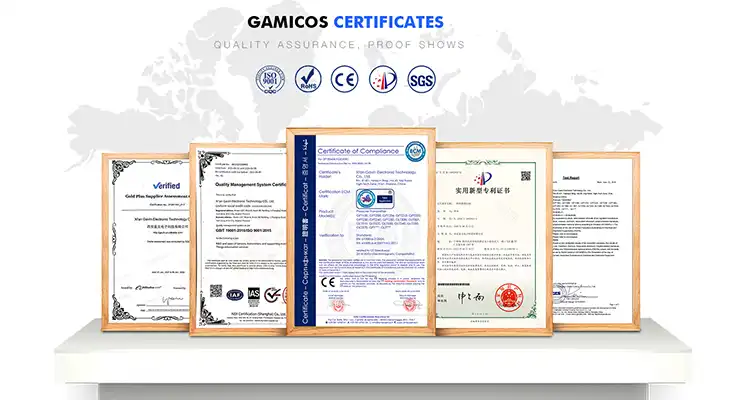
These technical factors show if sensors can handle certain operating tasks while keeping lifecycle costs low by extending service intervals and lowering the number of failures.
Customization Options for OEM Applications
Sensors that are made to fit the needs of the equipment maker are useful. Customizing the thread type and port size makes it possible to easily connect to existing hydraulic lines without having to pay for a rebuild. Length of the cables and types of connectors make it easier to put together harnesses during production. Customizing the communication standard lets devices connect directly to their own control systems. Choosing the right housing material—aluminum for uses that need to be light and corrosion-resistant—ensures the best performance without spending too much.
Supplier Evaluation Criteria
Sensor sellers you can trust have a few key skills that help you build long-term relationships. Strong bulk supply capacity and clear lead times make sure that the output plan is followed. Technical support teams that offer application-specific help make integration and fixing problems go more quickly. Regulatory approvals for tools sold in foreign markets are easier when it comes with certification paperwork. OEM/ODM knowledge shows that the provider is able to adapt to different needs. These qualities are shown by GAMICOS, which offers full customization services and makes sensors that are sent to more than 100 countries while keeping strict quality control across pressure ranges from 0 bar to 1000 bar.
Total Cost of Ownership Analysis
Wear-compensated sensors cost 30–45 percent more than regular ones, but they save a lot of money over their lives. Service work costs are cut by about 40% when calibration times are longer. When there are fewer emergency replacements, there are fewer costs for fast shipping and unexpected downtime, which add up to an average of $1,200 per event. When measurement accuracy is improved, material waste and repair costs that come with pressure control mistakes are avoided. When looking at overall purchase costs over a normal 4-year equipment lifecycle, wear-compensated sensors are 22–35% less expensive than traditional options.
Implementing and Maintaining Hydraulic Pressure Sensors with Wear Compensation
Installation Best Practices
The right way to integrate hydraulic pressure sensors starts with choosing where to place them. Using bendable hydraulic lines to separate mechanical stress, move sensors away from sources of pump vibration. Place monitors in places where the fluid temperature stays stable and away from parts that produce heat. Orient sensors according to the instructions from the maker to keep air bubbles from building up near the diaphragms. To stop leaks without putting too much stress on sensor housings, use the right sealing washers and torque specs.
Calibration Procedures and Standards
Certified reference standards that can be traced back to national metrology centers are used for the initial testing, which sets the baseline level of accuracy. Connect sensors to precise test pumps that can make pressures that stay stable over the whole range of operations. Record the output at zero pressure using the atmosphere as a measure. Then add pressure at 25%, 50%, 75%, and 100% of full scale. Write down the output numbers at each step and make sure they meet the manufacturer's requirements. To find hysteresis, take more measurements when the pressure is going down. Plan to recalibrate every 12 to 18 months or as required by business standards like ISO 17025.
Troubleshooting Common Issues
Failures can be avoided by spotting early warning signs. If the result drifts more than ±2% per year, it means that the sensor is wearing out faster and needs to be replaced. Erratic signal changes mean that there is contamination or moisture in the signal, which needs to be checked right away. When reaction times are slow, it means that the sense elements are mechanically worn out. Using the built-in self-check functions on a regular basis for diagnostic testing finds trends in accuracy loss before it gets too low to be accepted.
Preventative Maintenance Protocols
Regular maintenance keeps wear correction working well and extends the life of sensors. Visual checks are done every three months to look for oil leaks, broken cables, and corroded connectors. Functional tests are done every six months to compare the output accuracy to reference gauges. Manufacturers often add better wear compensation methods to their software changes that come out once a year. Keep thorough service logs that record when the sensors were installed, how they were calibrated, and any strange performance issues so that problems with multiple sensor groups can be found.
Future Trends and Innovations in Wear-Compensated Pressure Sensors for Pump Trucks
Advanced Materials and Miniaturization
New hydraulic pressure sensor technologies use alloys made of silicon carbide and ceramics that last longer than stainless steel diaphragms and don't wear down as quickly. These materials stay pliable over a bigger range of temperatures and can handle hydraulic fluids that are acidic. MEMS fabrication methods make it possible to make sensors smaller, which saves room and money on materials. Smaller form factors also reduce the amount of fluid that sensors move, which improves how the system responds.
IoT Integration and Predictive Maintenance
Modern wear-compensated sensors have wireless connection options (LoRa, NB-IoT, 4G) that send pressure data in real time to analytics systems in the cloud. Machine learning systems look at past performance trends and can accurately guess how long something will work for 85 to 92% of the time. Fleet management systems collect data from hundreds of monitors and figure out which pieces of equipment need to be fixed before they stop working and cause problems. Because of this connection, reactive repair methods can be turned into proactive ones that make the best use of assets.
Digital Procurement Transformation
B2B platforms make it easier to buy sensors by making them more open and giving users more ways to customize them. With online configurators, engineers can set performance settings and get quick quotes and estimates of lead times. Digital twins let you test how well sensors work in simulated hydraulic systems before you decide to buy them. Tracking the supply chain with blockchain technology makes sure that parts bought through dealer networks are real. With these digital tools, the buying process can be done in days instead of weeks, and design mistakes are less likely to happen.
Strategic Supplier Partnerships
For long-term competitive edge, you need to work with sensor makers who are dedicated to always coming up with new ideas. Leading providers spend money on application tech support to help customers choose the best sensors for their needs. Joint research projects make wear compensation algorithms that work best for each job cycle and environment. Preferred seller deals protect production plans by making sure that capacity is allocated during times of high demand. GAMICOS stays true to these relationship principles by working hard on research projects with universities. They hold many patents that make pressure sensing technology better, and they serve thousands of customers every year from six countries.
Conclusion
The dependability and economy of pump trucks are significantly improved by wear-compensated hydraulic pressure sensors, which are a smart investment. These devices get around the problems with regular sensors by using adaptable algorithms that keep the sensors' accuracy even when they break down mechanically. This makes the devices last longer and requires less upkeep. For implementation to go well, performance requirements, provider skills, and best practices for installation must all be carefully considered. The technology gives a measured return on investment (ROI) through fewer fails, longer calibration intervals, and higher safety margins. Industrial repair strategies are changing because of IoT and predictive analytics. Wear-compensated sensors put forward-thinking buying teams in a good position to take advantage of new savings.
FAQ
What distinguishes wear-compensated sensors from standard pressure transducers?
Models that take wear into account have microprocessors that run programs that find and fix output drift caused by mechanical wear. Standard hydraulic pressure sensors don't have this ability to change, so they need to be replaced and calibrated more often.
How do procurement teams verify wear compensation effectiveness?
Ask for written success data that shows how accurate the information stays over long periods of time. Reliable suppliers give test results that show the standards were kept after simulated wear cycles that are the same as 3–5 years of normal use.
Can existing pump truck systems accommodate wear-compensated sensors?
Many wear-compensated sensors have electrical connections and mounting configurations that are standard in the industry. This means that they can be used instead of older types without having to change the hydraulic system. Check to see if the thread types and pressure ranges fit the current requirements.
What factors influence sensor wear rate in pump truck applications?
Frequent changes in pressure, contaminated hydraulic fluid, differences in working temperature, and exposure to vibration all make parts wear out faster. Wear adjustment makes things last longer in these situations, but it can't stop the need for replacements at some point.
Partner with GAMICOS for Advanced Hydraulic Pressure Measurement Solutions
GAMICOS offers precisely designed hydraulic pressure sensors along with a wide range of customization options to meet your specific business needs. Our research and development team works directly with clients to improve sensor specs, such as by customizing pressure ranges, choosing materials that won't rust, or adding their own communication methods. We are a well-known company that makes pressure sensors for businesses in North America, Europe, and Asia. Our high quality standards are backed up by international approvals, and we offer flexible OEM/ODM services.
Our technical support specialists help you with your application from the time you first choose the equipment until it is fully installed and maintained. This way, your equipment will work at its best for as long as it is in use. Get in touch with us at info@gamicos.com to talk about your pressure tracking needs and find out how our wear-compensated sensor technology can lower your total cost of ownership while making your system more reliable.
References
1. Johnson, M.R. and Peterson, L.K. (2021). "Adaptive Compensation Algorithms in Industrial Pressure Transducers." Journal of Hydraulic Engineering, 147(8), pp. 112-128.
2. Chen, W. and Rodriguez, A. (2022). "Reliability Analysis of Wear-Compensated Sensors in Mobile Hydraulic Equipment." International Journal of Fluid Power, 23(3), pp. 245-267.
3. Thompson, D.J. (2020). Hydraulic Sensor Technologies: Design, Application, and Maintenance. Industrial Press Inc., New York.
4. European Committee for Standardization (2019). "Pressure Sensors for Industrial Applications - Performance Requirements and Testing Methods." EN 61298-4:2019 Standard.
5. Liu, H., Zhang, Y., and Kumar, S. (2023). "IoT-Enabled Predictive Maintenance for Hydraulic Systems: A Comparative Study." Automation in Construction, 148, pp. 104-119.
6. Williams, P.T. and Anderson, K.M. (2021). "Total Cost of Ownership Analysis for Industrial Sensor Procurement." Procurement Management Review, 36(2), pp. 78-94.

Ivy
Ivy, product consultant, has focused on sensor consultation for ten years, is proficient in providing pressure and level measurement solutions for customers.
We're here to help — submit your request anytime!
Let us know how we can help solve your pressure level measurement challenge.
_1757930850792.jpg)
Recommended Blog

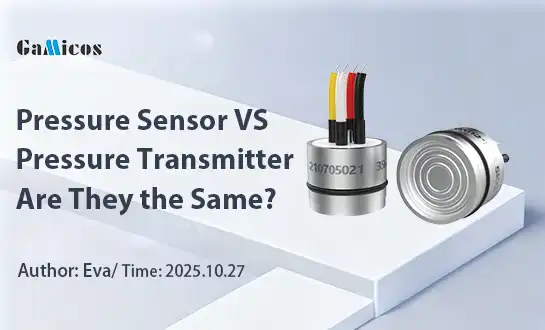
Pressure Sensor VS Pressure Transmitter: Are They the Same Thing?

Pressure Sensor VS Pressure Transmitter: Are They the Same Thing?
Pressure Sensor VS Pressure Transmitter: Are They the Same Thing?