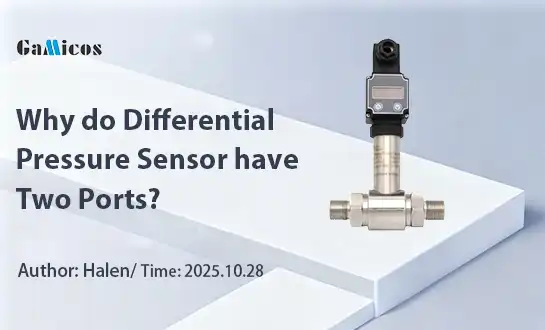
Differential Pressure Sensors in Snack Expansion Control
Understanding Differential Pressure Sensors in Snack Expansion Control
- Understanding Differential Pressure Sensors in Snack Expansion Control
- Core Benefits of Using Differential Pressure Sensors in Snack Expansion
- How to Choose the Right Differential Pressure Sensor for Snack Expansion Control
- Installation, Calibration, and Troubleshooting of Differential Pressure Sensors
- Future Trends and Innovation in Differential Pressure Sensing for Food Industry
- Conclusion
- FAQ
- Partner with GAMICOS for Your Differential Pressure Sensor Requirements
- References
Exact control during growth is needed to make the best snacks, like crispy chips, airy cheese puffs, or crunchy molded treats. The differential pressure sensor keeps an eye on this important process without being seen. It measures the difference in pressure between two places in the growth machinery to make sure that the quality, size, and texture of each batch of snacks are the same. These sensors allow real-time changes that stop defects, cut down on waste, and keep production running smoothly by constantly checking the differences in pressure in extruders and expansion chambers. Knowing how these machines work in snack production lines can make your facility more reliable and improve the quality of the snacks you make.
Understanding Differential Pressure Sensors in Snack Expansion Control
What Makes Differential Pressure Measurement Critical?
Snack expansion uses quick changes in pressure to turn raw batter or dough into structures that are light and porous. To get a regular texture, when makers push goods through heated barrels, the air inside the barrels has to stay within very small limits. A differential pressure sensor checks the difference in pressure between the points of entry and exit from the growth chamber and sends a warning when the differences are too big. This measurement feature has a direct effect on whether snacks come out properly puffed or disappointingly thick.
Differential instruments compare two process points at the same time, while single-port gauge sensors measure against the air pressure. This method of comparing works very well for controlling expansion, since both the pressure of the feedwater coming in and the pressure of the steam being made downstream affect the quality of the product. The difference in pressure causes the diaphragm of the sensor to bend. This changes mechanical action into electrical signals that are quickly understood by automated systems.
Core Sensor Technologies for Food Processing
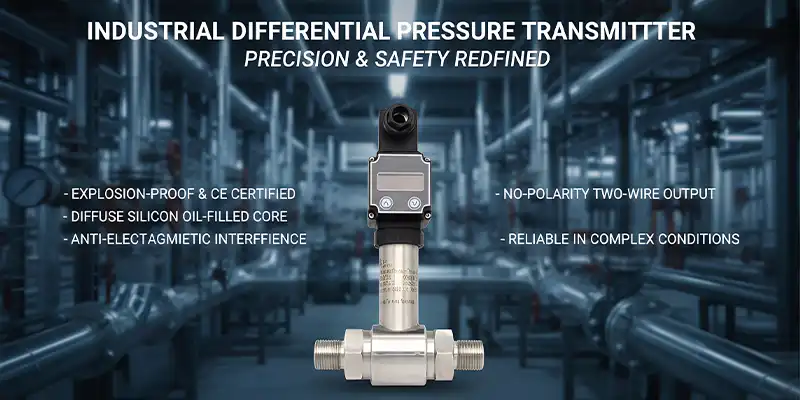
There are three main sensing methods that are used for snack growth. Piezoresistive devices use silicon diaphragms that change their electrical resistance when they are pressed. Because these tools are so accurate and long-lasting, they can be used for high-pressure growth processes. This technology is shown by the GPT250 series integrated differential pressure sensor, which has an OEM silicon piezoresistive oil-filled core that works well in harsh industrial settings and gives accurate readings.
The capacitance changes between two conductive plates that are divided by a diaphragm. This is how capacitive devices measure pressure. They work great in low-pressure situations and are very stable over time. Even though they aren't used very often in food processing, optical sensors use changes in light transmission to pick up on changes in pressure. They don't get affected by electromagnetic interference, which can happen on some plant floors.
Knowing these differences helps procurement managers choose tools that meet the needs of their output. For controlling snack growth, piezoresistive types usually offer the best mix of accuracy, longevity, and value for money.
Material Specifications for Hygienic Environments
When working with food, you need materials that don't rust and meet strict hygiene standards. The GPT250 series meets these needs with a body made of stainless steel and a diaphragm made of 316L + Hastelloy C276. It can handle highly acidic media with a pH range of 1 to 14. This mix of materials is necessary when cleaning products, acidic ingredients, or high-temperature steam come into daily touch with sensor surfaces.
Threaded pressure ports allow for direct fitting on a pipeline or remote link, making it possible for both inline measurement and standalone installation. This adaptability lets it be added to existing growth lines without requiring major modifications. This lowers the cost of installation and the time lost during updates.
Core Benefits of Using Differential Pressure Sensors in Snack Expansion
Enhanced Product Uniformity and Quality Control
By keeping the pressure differences the same during growth cycles, you can be sure that each snack piece forms the same cellular structure. When differential pressure sensors find changes from the goal parameters, extruder speeds, barrel temperatures, or steam injection rates are changed right away by automated controls. This real-time response gets rid of the changes in quality that come from the time it takes to do manual tracking.
When you look at differential pressure sensors next to gauge or absolute sensors, you can see that they work much better. Differential instruments find the specific pressure drop across expansion zones. Gauge sensors measure in relation to the pressure of the air, and absolute sensors measure in relation to a perfect vacuum. This focused measurement gives you faster reaction times and more accurate results when the process is changing, which are very important when production lines are running at high speeds.
Because there is a clear link between the difference in pressure and the properties of the product, even small changes in measuring can lead to big improvements in quality. Chips get a more even thickness, molded snacks keep their density, and puffed goods keep their structure throughout production runs.
Operational Efficiency and Waste Reduction
Precise pressure tracking cuts down on waste by finding quality problems before whole runs fail to meet requirements. When sensors pick up pressure changes that could mean a blockage, a problem with the material, or a problem with the equipment, workers step in before the problems get worse. This proactive method cuts down on scrap rates, which hurt profit margins in snack areas where competition is high.
Continuous pressure tracking makes it possible for adjustments to be made automatically, which speeds up production. Instead of stopping lines to be inspected and adjusted by hand, systems fix themselves within limits that have already been set. This technology lets factories keep up higher output rates while cutting down on the costs of labor needed to keep an eye on the process all the time.
When pressure control improves the heating and steam injection processes, energy use also goes down. By keeping the right pressure differences, growth happens quickly and without using too much energy. This helps manufacturers use sustainable methods that are in line with their environmental goals.
Compliance with Safety and Quality Standards
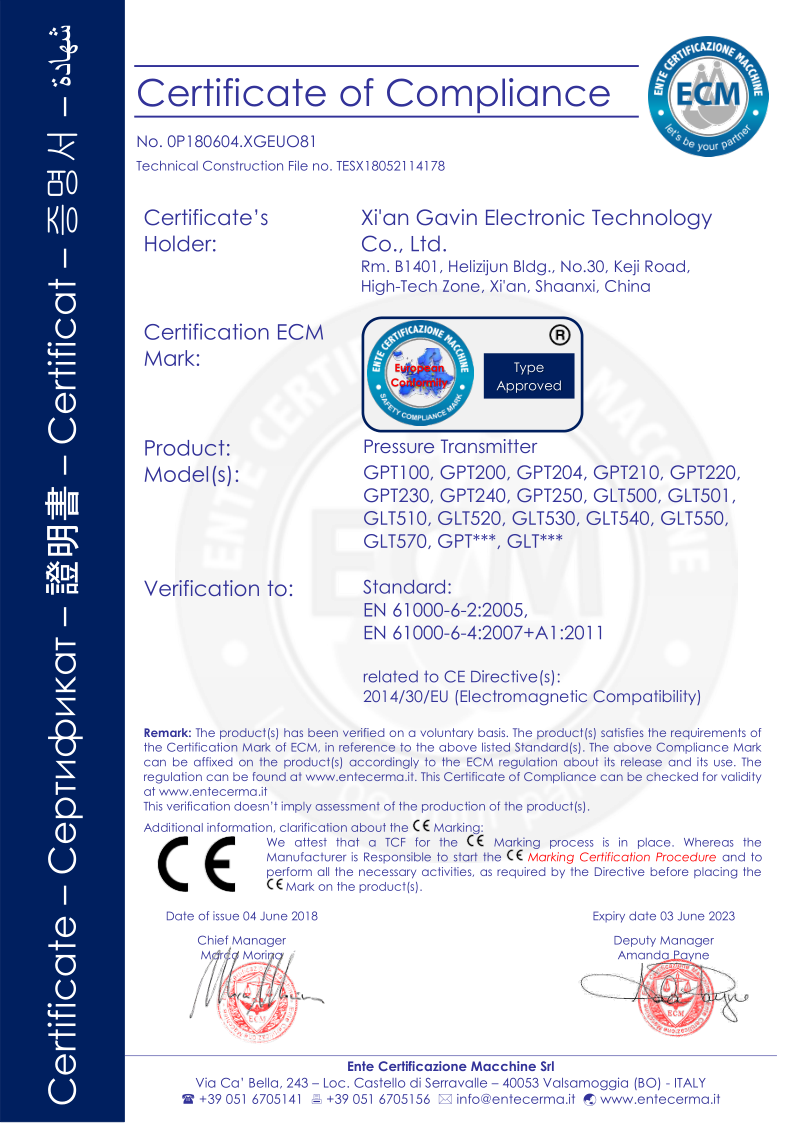
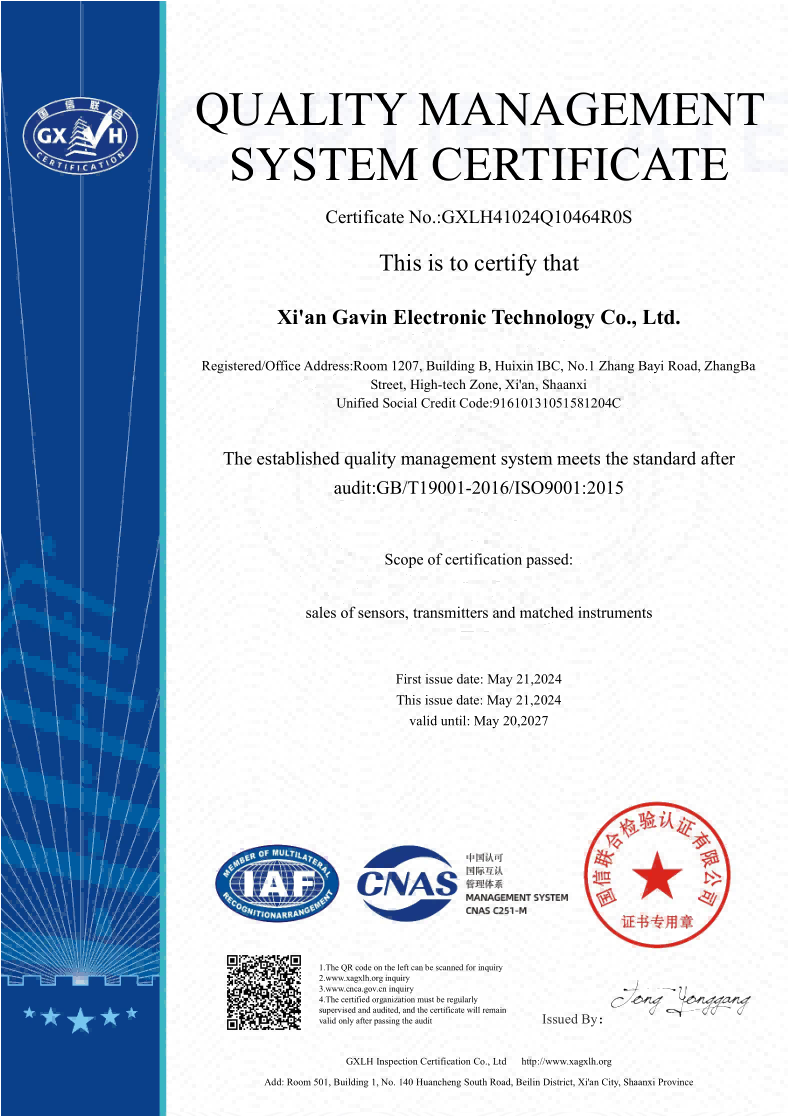
Internationally certified pressure monitoring technology that meets CE, RoHS, and ISO standards makes sure that sites follow the rules in all export markets. The GPT250 series can send out a number of different signals, such as 4-20mA and Modbus protocols. This makes it easier to connect to remote control systems that keep track of process factors for checks of traceability.
Recording the pressure conditions during different production runs shows that the process is being controlled consistently, which is important for HACCP compliance and customer quality checks. This data trail saves manufacturers during reviews into their liability and shows that they are committed to food safety principles, which makes customers trust them.
How to Choose the Right Differential Pressure Sensor for Snack Expansion Control
Critical Selection Parameters
How strict the standards for accuracy are based on how narrow the acceptable pressure ranges are in the product specifications. For high-end snack brands that need perfect regularity, differential pressure sensors with ±0.25% accuracy or better are needed. For cheaper brands, tools with ±0.5% accuracy may work fine. When there are delays in detecting pressure, quality problems happen before corrective steps can be taken, so response time becomes very important in fast-cycling growth processes.
When choosing a material for durability, it's important to think about how well it will protect against things like moisture, dust, and changes in temperature. Sensors in snack production areas are exposed to flour dust, oil mists, and cleaning processes that can shorten the life of equipment. If you choose devices with an IP67 rating or better, they will work reliably even in tough circumstances.
These factors are fully covered by the GPT250 series. Here are some of the best things about this device:
- Corrosion resistance through 316L + Hastelloy C276 diaphragm design prevents corrosion and can handle harsh cleaning agents and acidic ingredients without breaking down
- High pressure capacity and system static pressure values from 25 to 40 MPa can handle the strong forces in expansion machines
- Signal flexibility through 4-20mA and Modbus outputs lets it work with a variety of control systems, depending on the maker
- Proven steadiness keeps calibration accuracy over long service intervals, which cuts down on repair down
| GPT250 Differential Pressure Transmitter | |
| Pressure range | 0~10 kPa...2.5 MPa |
| Output signal | 4~20mA 0~5Vdc 1~5Vdc 0~10Vdc |
| Power supply | 10~36Vdc, 8~36Vdc, 12~30Vdc |
| Accuracy | 0.25%FS(min.), 0.5%FS(typ.) |
| Operating temperature range | -40~+85 °C |
| Electrical interface | DIN43650,waterproof outlet |
| Pressure interface | M20x1.5, G1/4,G1/2,1/4NPT, 1/2NPT (customer request) |
| Material of pressure membrane | 316LSS |
| Material of housing | 1Cr18Ni9Ti stainless steel |
| Protection | IP65(for DIN43650), IP(for waterproof lead) |
| Certification | CE |
Interface and Communication Considerations
The industry still uses analog 4-20mA outputs because they are simple and reliable, and they don't need much infrastructure to be integrated. For better diagnostics, remote setup, and a smooth connection with current SCADA systems that use Industry 4.0 ideas, digital Modbus communication is the way to go. For compatibility reasons, B2B buyers need to check to see if the control systems they already have support digital standards or need analog signals.
Wireless setups get rid of the costs of wire and make it easier to put sensors in places where wiring wouldn't work. But wireless deployments need strong security measures and reliable connectivity to keep contact from breaking down and stopping production tracking. For important measurement places where signal loss is not acceptable, wired systems are more reliable.
Total Cost of Ownership Analysis
The price of the sensor is only one part of its economy. Long-term costs are affected by how often calibrations are needed, how much upkeep is needed, and how long the equipment is expected to last. When sensors need to be re-calibrated once a year, they cause both direct service fees and secondary costs because they stop production while the calibration is being done.
When you compare products from companies like Honeywell, Bosch, Siemens, and TE Connectivity, you can see that their prices vary because they offer different value. OEM providers that offer customization choices may charge higher prices for sensors that are perfectly matched to the needs of the application. This could lower integration costs that balance out the higher prices of the components.
The total lifetime costs should be figured out by procurement managers. This includes the costs of installation, starting, regular maintenance, fixes that come up out of the blue, and replacement in the end. This thorough analysis often shows that sensors that are moderately priced and very reliable are a better deal than cheap choices that require too much service.
Installation, Calibration, and Troubleshooting of Differential Pressure Sensors
Strategic Installation for Optimal Performance
When placing differential pressure sensors inside growth machinery, it's important to find a balance between measurement accuracy and ease of servicing access. Mounting points should stay away from areas with rapid flow because pressure readings can change quickly and make the control system less sensitive. The GPT250 has threaded pressure ports that let you connect it directly to a pipeline or place it remotely using capillary tubing. This gives you fitting options that work with a variety of machine setups.
The accuracy and longevity of sensors are affected by the environment where they are installed. If the temperature around the sensor is higher than what is recommended, heat shields or methods for putting it remotely are needed. In places with a lot of humidity, electrical lines may need to be sealed to keep moisture out and prevent signal loss. Vibration from expansion machinery can loosen mounting hardware, so it needs thread-locking compounds or clamps that absorb vibration.
Calibration Procedures for Food Industry Standards
Setting initial calibration baselines makes sure that sensors meet the accuracy requirements set by the maker before they are put into production. Known pressure differences are used in this process, and calibrated reference tools are used to compare sensor results to what would be expected. Deviations that are outside the acceptable range need to be fixed or replaced before the system can be put into service.
Schedules for ongoing testing rely on the amount of work being done, the conditions of the process, and government rules. Calibration rounds are usually done every three months in continuous production facilities, but they may be every six months in batch processors. By writing down the results of the testing, you can keep quality records that show you maintain process control for auditors to look over.
To recalibrate sensors, you must disconnect them from the process pressure, connect the calibration equipment to both ports, apply reference pressures across the measurement range, record output values at regular intervals, make any necessary changes to the zero and span settings, and write down the results before putting the sensors back into service.
Troubleshooting Common Issues
Signal drift shows up as small changes in output that don't match up with changes in process pressure. This usually happens because the diaphragm is worn out, the temperature is changing computer parts, or there is contamination affecting how the sensor works. By comparing sensor results to reference instruments, you can find out how much drift there is, which helps you decide if recalibration is enough or if you need to replace the sensor.
Sensor data can be messed up by electromagnetic interference from things like variable frequency drives, welders, and radio emitters. Readings that aren't consistent, signal noise, or contact problems with control systems that come and go are all signs. Most electromagnetic compatibility problems can be fixed by using shielded connections, properly grounding equipment, and keeping electromagnetic sources physically away from each other.
Measurement fails are easy to spot when mechanical problems like clogged pressure ports or broken diaphragms happen. Many mechanical problems can be avoided by looking for material growth, physical damage, and loose connections on a regular basis. Keeping extra sensors on hand cuts down on downtime when replacements are needed during busy production times.
Future Trends and Innovation in Differential Pressure Sensing for Food Industry
Smart Sensor Integration and Industry 4.0
More and more modern differential pressure sensors have microprocessors built in, which allow for advanced diagnostics, self-monitoring, and planned upkeep. These smart devices notice small drops in performance before they become breakdowns. They then notify maintenance teams so that repairs can be planned for planned breaks instead of having to deal with sudden production stops.
IoT connection turns sensors that are normally separate into networked data sources that cloud-based analytics tools can use. Production managers can see what's going on in various facilities at the same time, compare performance data, find ways to improve things, and make best practices more consistent. This connectivity lets technical experts fix problems from afar, without having to go to the facility in person. This cuts down on service reaction times, which is especially helpful for facilities that are far away.
When you connect process data to enterprise resource planning tools, you can keep business operations running smoothly. Real-time quality data affects choices about what to buy, when to make things, and how to keep track of inventory. This improves the general efficiency of manufacturing beyond the instant benefits of process control.
Regulatory Evolution and Compliance Requirements
Food safety rules are getting stricter all the time, and they want more tracking and process validation paperwork. Modern sensors that work with digital communication methods make compliance easier by instantly logging measurement data with timestamps. This makes it possible to keep detailed records of each batch that show consistent process control throughout production runs.
More and more, hygiene standards say that equipment that comes into touch with food must meet 3-A Sanitary Standards or be certified by EHEDG. Differential pressure sensors should not come into direct touch with food, but their materials and design should make cleaning easier without leaving any germs behind. In the future, sensors will focus on being easy to clean by using simpler shapes, fewer dead ends in pressure lines, and materials that don't allow bacteria to form.
Sustainability and Lifecycle Considerations
Environmental concerns lead to a need for sensors that last longer, which reduces the amount of electrical trash that is made. Manufacturers who use flexible designs that let parts be replaced instead of throwing away the whole gadget are following the circular economy ideas that are becoming popular across all fields.
Energy-efficient sensor designs that use little power help with larger efforts to lower energy use in buildings. Wireless sensors that use energy gathering technologies—getting power from differences in temperature, vibrations, or environmental light—don't need batteries and don't need as much upkeep.
Material sourcing openness is becoming more important as customers demand proof that sensor parts come from responsible sources who don't use conflict minerals or unfair labor practices. Along with standard quality and price measures, B2B buyers are looking at providers' environmental, social, and government performance more and more.
Conclusion
Differential pressure measurement is one of the most important technologies that makes it possible for snack expansion methods to be both high-quality and efficient. When engineering teams choose sensors, they need to think about everything from knowing the basic rules of sensing to making sure they do things like installation and servicing the right way.
Advanced piezoresistive technology meets the needs of food preparation with materials that don't rust, multiple contact options, and strong pressure-handling abilities, and a differential pressure sensor is at the heart of such systems. The GPT250 series is a good example of this. As Industry 4.0 connectivity and sustainability concerns change the goals of manufacturers, investment in reliable pressure measurement infrastructure gives them a competitive edge in global markets that are very picky.
FAQ
What distinguishes differential pressure sensors from absolute pressure sensors in snack expansion applications?
Differential instruments don't use air pressure or vacuum to measure the difference in pressure between two process points. This comparison test finds specific drops in pressure across growth zones, giving more useful information for managing the texture and regularity of the product. Absolute sensors measure the total pressure without comparing it to anything else. They are useful for barometer purposes but don't tell you much about how pressure changes in processing equipment.
How frequently should differential pressure sensors be calibrated in food processing environments?
How often calibration is done relies on how much is being made, what the rules say, and what the quality standards are. Verification plans for continuous processes are usually every three months, while for batch processors, the intervals may be extended to every six months. Calibration may need to be done more often in places that have to keep their ISO certification or serve customers who have very strict quality standards. Watching how sensors move over time helps find the best calibration intervals, which balance the accuracy of measurements with the cost of service.
Can suppliers customize differential pressure sensors for specific snack expansion machinery configurations?
Reliable makers let you choose from a wide range of options for the sensor range, mounting setups, electrical connection types, output signals, and housing materials. With proprietary interfaces and communication methods, OEM agreements make it possible to build measurement technology right into the designs of machines. When compared to standard catalog goods, customized items usually have lower minimum order numbers and longer wait times. This means that suppliers must be responsive and work together technically for the project to be successful.
Partner with GAMICOS for Your Differential Pressure Sensor Requirements
Achieving optimal snack expansion control demands sensors precisely matching your production environment and quality objectives. GAMICOS specializes in pressure measurement solutions designed to work with difficult food preparation tasks. Our GPT250 differential pressure sensor supplier can give your operations the dependability and accuracy they need. Our expert team has worked with thousands of customers in over 100 countries, so they know the unique problems that snack companies face when they try to compete in global markets.
We offer full OEM and ODM customization for specific sensor types, interface choices, communication protocols, and size needs that can't be met by standard catalog goods. GAMICOS offers top-notch measurement solutions and quick technical help throughout the entire lifetime of a product. They are backed by multiple patents and ongoing research and development (R&D) investments. Get in touch with us at info@gamicos.com to talk about how our pressure sense knowledge can help you make better snacks and make your supply chain connections stronger.
References
1. Smith, J. & Anderson, K. (2022). Process Control in Food Extrusion Technology. Academic Press.
2. Williams, R. (2021). "Pressure Measurement Technologies for Food Processing Applications." Journal of Food Engineering, 298, 110-125.
3. Thompson, M. et al. (2023). Industrial Sensors: Selection and Application in Manufacturing. Springer Publishing.
4. Chen, L. & Rodriguez, P. (2022). "Quality Control Systems in Snack Food Production." Food Processing Automation Journal, 45(3), 67-82.
5. International Society of Automation (2023). Instrumentation Standards for Food and Beverage Industries. ISA Publications.
6. Peterson, D. (2021). Sensor Technologies for Industry 4.0 Food Manufacturing. Wiley-Blackwell.

Peter
Peter, Senior Sensor Technology Consultant, has 15-year industrial sensor R&D experience. He specializes in the end-to-end development of high-accuracy pressure and level sensors and he firmly believe, precision isn’t just a spec—it’s a promise.
We're here to help — submit your request anytime!
Let us know how we can help solve your pressure level measurement challenge.
_1757930850792.jpg)
Recommended Blog