Pressure Sensors Validated for Dairy CIP Cleaning
Understanding CIP Hygienic Pressure Sensors in Dairy Applications
- Understanding CIP Hygienic Pressure Sensors in Dairy Applications
- Comparing CIP Hygienic Pressure Sensors: Making the Right Choice for Your Dairy Operations
- Procurement Guide: How to Buy CIP Hygienic Pressure Sensors for Dairy Processing
- Conclusion
- FAQ
- Partner with GAMICOS for Reliable CIP Hygienic Pressure Sensor Solutions
- References
In the demanding world of dairy processing, Clean-in-Place (CIP) systems represent the backbone of hygiene management. At the heart of these automated cleaning cycles, CIP hygienic pressure sensors play a crucial role by monitoring pressure fluctuations throughout the cleaning process. These specialized instruments are built to endure aggressive chemical cleaners, high temperatures, and repeated sterilization cycles while maintaining measurement accuracy.
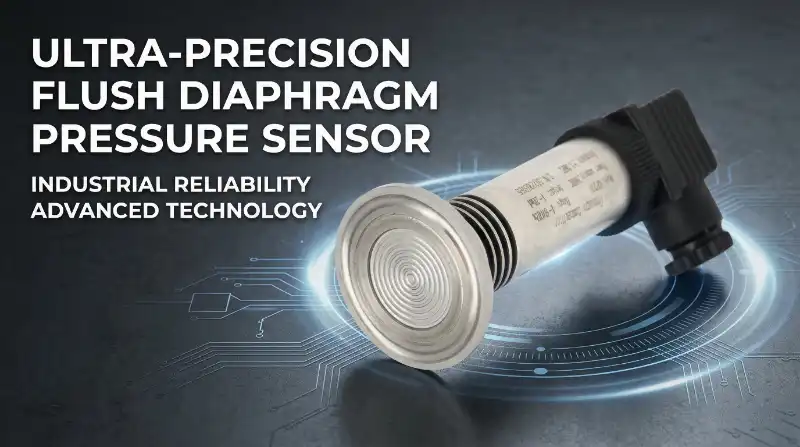
Unlike conventional industrial pressure sensors, hygienic variants feature smooth surfaces, minimal dead spaces, and food-grade materials that prevent bacterial growth and ensure complete drainability. For procurement managers and engineering professionals in the dairy sector, selecting validated pressure sensors directly impacts product safety, regulatory compliance, and operational efficiency.
Understanding CIP Hygienic Pressure Sensors in Dairy Applications
There are strict rules about cleanliness in the dairy business, which makes choosing equipment a very important choice. CIP hygienic pressure sensors are completely different from regular industrial sensors because of how they are built and the materials they are made of.
What Makes a Pressure Sensor "Hygienic"?
CIP hygienic pressure sensors are made with parts that are specially made for places where food is processed. The flush-mounted diaphragms in these devices are made of 316L stainless steel, which is very resistant to rusting when exposed to acidic cleaning products and dairy products. The finish on the surface usually has Ra values below 0.8 micrometers, which makes it smooth and less likely for microbes to settle on it.
This makes it easier to clean completely during CIP processes. Electronic parts stay away from process media because their housings are tightly sealed. This stops contamination routes and keeps the purity of the signals. Since there are no cracks, threads, or dead-leg connections, no leftover product or cleaning solution can get stuck. This would violate hygiene standards and could possibly contaminate later production runs.
Pressure Monitoring During CIP Cycles
CIP hygienic pressure sensors give real-time feedback that checks each step of the CIP process during automated cleaning routines. During pre-rinse operations, flow rates through spray balls and distribution systems need to be checked to make sure they are right. For caustic wash stages, it's important to keep an eye on the pressure to make sure that the chemical solutions hit all the areas they need to at the right temperatures and concentrations.
During the intermediate rinse phases, pressure data is used to make sure that all chemicals have been removed before the acid wash phases start. Before production can start again, the final steps of rinsing and sanitizing must be pressure confirmed to make sure they are sterile. This ongoing tracking produces written proof of how well the cleaning is done, which is needed by regulatory agencies for HACCP compliance programs and audits of dairy facilities.
Durability Under Harsh Operating Conditions
Sensors in dairy CIP systems are put through harsh conditions that would quickly break down normal instruments. Temperature changes from room temperature to 185°F (85°C) during hot chemical washes put stress on sensor parts due to heat. Chemical exposure includes up to 3% sodium hydroxide, nitric acid solutions, and chlorine-based cleaners that are very rough on things that don't work well with them. Hundreds of times a month, pumps turn on and valves switch during automatic cleaning processes, which causes pressure cycles.
Some of the things that make good CIP hygienic pressure sensors strong are their welded process connections instead of threaded fittings, their ceramic capacitive sensing elements that don't react with chemicals, and their temperature-compensated electronics that keep their accuracy across the whole operating range. This durability immediately leads to lower upkeep costs and longer service intervals, which gives dairy processing plants a lot of value over the long run.
Comparing CIP Hygienic Pressure Sensors: Making the Right Choice for Your Dairy Operations
To choose the right CIP hygienic pressure sensor for dairy CIP uses, you need to carefully consider a number of technical and business factors. The choice affects not only the initial costs of cash, but also the long-term costs of running the system and how reliable it is.
Hygienic Design Standards and Certifications
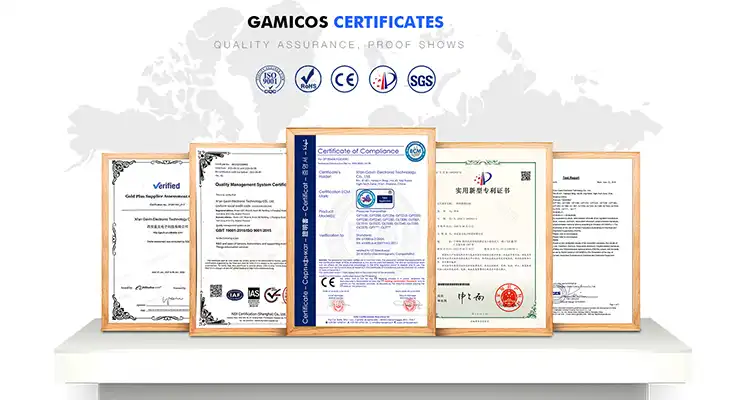
Several foreign groups set standards for how clean process tools should be made. The 3-A Sanitary Standards, which were made by equipment makers, dairy processors, and US government regulators, spell out how sensors used in dairy applications must be built. Similar requirements are set by the European Hygienic Engineering & Design Group (EHEDG) for tools sold in European dairy farms. These certified sensors have been through a lot of tests to make sure they can be cleaned, drained, and made of materials that work with dairy products and CIP chemicals.
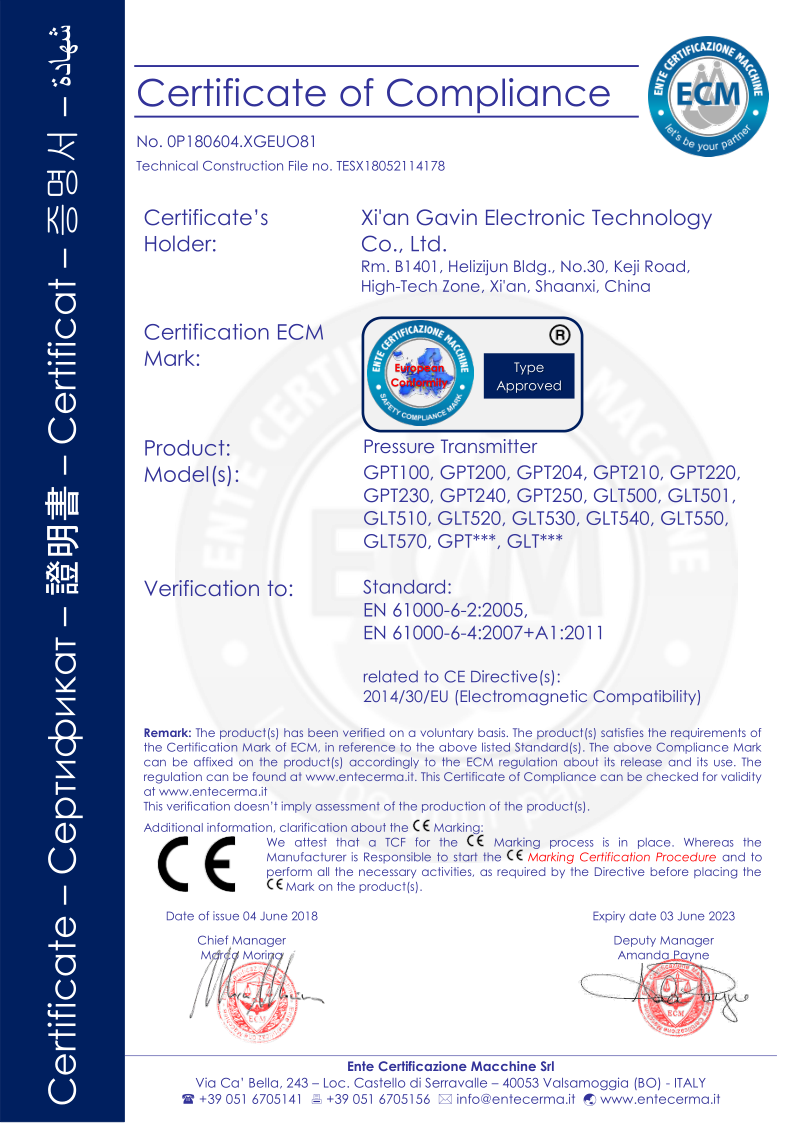
FDA compliance makes sure that materials follow the rules for touching food, while ATEX approval is needed for installations in places where explosions could happen, like milk powder production areas. When purchasing companies look at potential sellers, they should make sure that the paperwork they send includes these certifications. These certifications show that the sensors meet standards for cleanliness that are known in the industry.
Material Selection: Stainless Steel vs. Alternative Constructions
The wet materials that come into touch with the process media have a direct effect on how well and how long the sensor works. Due to its better resistance to corrosion and mechanical power, stainless steel 316L is still the standard for dairy uses. This austenitic metal can be cleaned with both basic and acidic liquids over and over again without pitting or stress corrosion cracking. The material's smooth, passivated surface keeps germs from sticking and allows for full cleaning confirmation. Some makers offer ceramic diaphragms that are more resistant to chemicals and last longer.
This is especially useful in places that use strong cleaners or do a lot of CIP processes every day. Food-grade plastic housings may seem like a good deal at first, but they can't handle high temperatures and are easily broken down by chemicals, so they can't be used for strict dairy CIP uses. Full stainless steel construction with welded process seals should be preferred by engineering managers over cheaper options that are less durable and need to be replaced more often.
Accuracy Requirements and Signal Output Options
Pressures in dairy CIP systems are usually between 15 and 150 psi, but this can change depending on the application. With ±0.25% full scale accuracy, measurements are accurate enough for most cleaning validation needs. For more demanding uses, ±0.1% accuracy might be needed. The choice of signal output affects how well it works with current robotic systems. For shorter distances, the analog outputs have 0-10V voltage signals and 4-20mA current loops, which are very good at blocking noise over long wire runs to control rooms. Digital connection methods, like IO-Link, let data flow both ways.
This makes it possible to do remote diagnostics and configuration changes, which cuts down on repair downtime. Because the HART system is compatible, analog signals and digital communications can happen at the same time over the same two-wire link. When automation engineers choose sensors for new installs or upgrades, they should think about whether the extra cost of advanced digital methods is worth it because they offer better troubleshooting and predictive maintenance.
Comparing Leading Brands and Total Cost of Ownership
Well-known companies like Endress+Hauser, Honeywell, and Siemens have built names by serving the dairy business for many years. Their goods usually come with a high price tag, but they come with full technical help, a lot of documentation, and a history of working well in tough situations. Mid-tier providers have reasonable prices and meet all the necessary certifications and performance standards, making them good choices for projects that need to stay within their budgets.
The total cost of ownership, which includes things like how hard it is to install, how often it needs to be calibrated, how easy it is to get extra parts, and how long the machine is expected to last, should also be taken into account. A cheaper CIP hygienic pressure sensor that needs to be replaced every three years will cost more over its lifetime than a more expensive one that lasts ten years with little upkeep. When procurement managers work with engineering teams, they can make score grids that give these factors different amounts of weight based on facility goals. This way, procurement managers can make sure that the sensors they choose meet practical needs and budget limits.
Procurement Guide: How to Buy CIP Hygienic Pressure Sensors for Dairy Processing
To make a good plan for buying CIP hygienic pressure sensor, you need to carefully look at the technical specs, the supplier's skills, and the needs for help throughout the product's life.
Defining Technical Requirements and Application Parameters
A thorough record of application needs is the first step to successful buying. For sensors to work properly, engineering teams should define the standard working pressure and the highest overpressure that the sensors can handle without breaking or changing their settings. Specifications for temperatures must take into account both high temperatures during CIP rounds and process temperatures during production. It's important to pay close attention to the type of process connection you use. For example, tri-clamp fittings in sizes ranging from half-inch to three inches are often used in dairy installations. However, some uses require threaded connections or flanged installations.
Depending on the electrical area classification, normal sensors may be enough or housings that can withstand explosions may be needed. The cost of installation depends on the length of the cables and how they are entered into the duct. When possible, the new infrastructure should match the old one. By including these factors in detailed specification sheets, providers can offer the right solutions, and it will be less likely that expensive mistakes are made when buying equipment doesn't match the needs of the installation.
Certification Verification and Regulatory Compliance
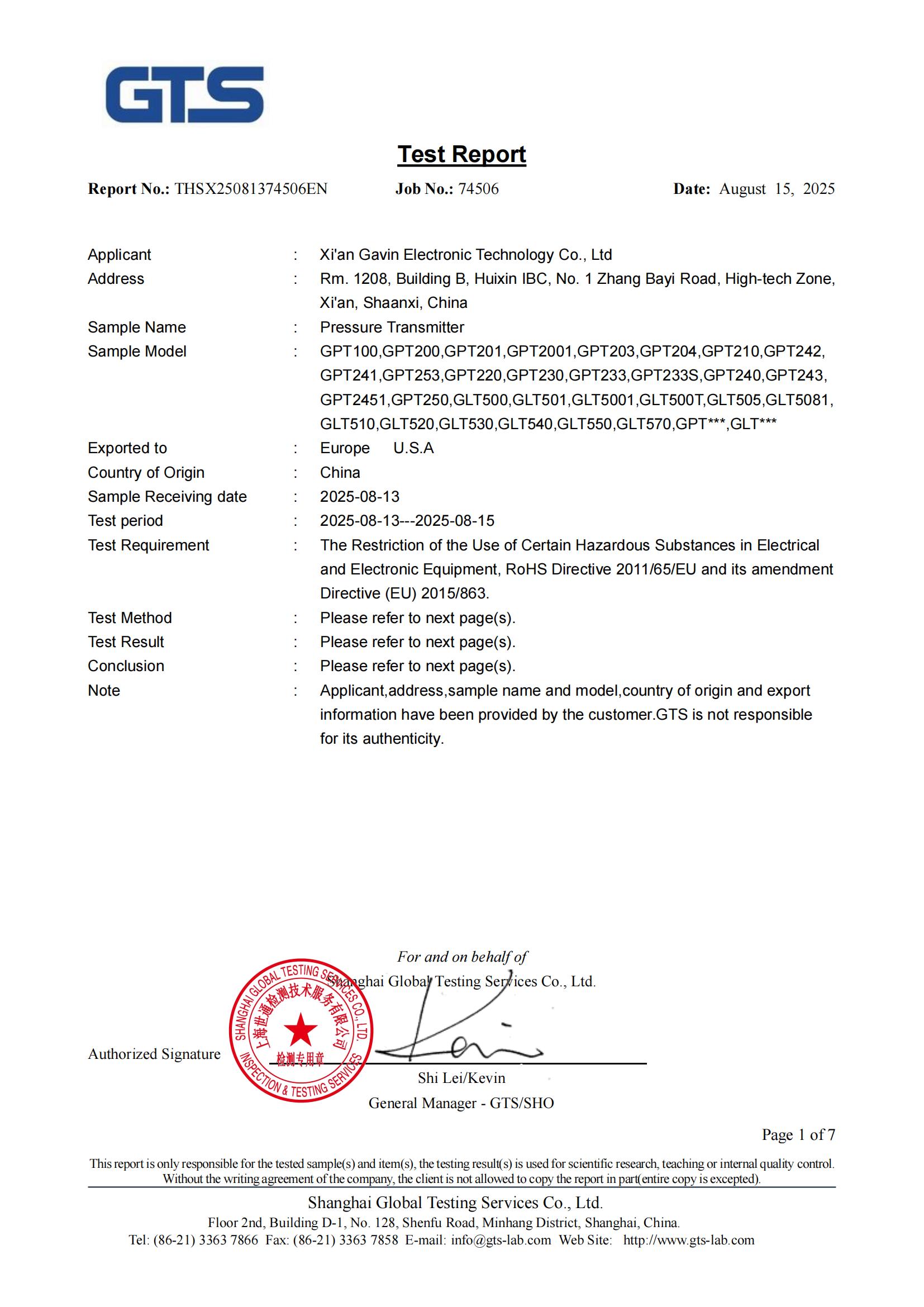
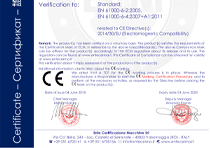
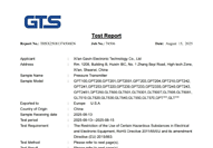
Regulatory compliance is an absolute must in the cheese processing industry. Managers in charge of buying things must make sure that suggested sensors have the right licenses for the markets they are targeting. In the United States, sites need materials that are FDA-compliant and 3-A certification for any equipment that comes into touch with dairy products. To make sure their electricity safety, European buildings must meet both EHEDG and CE marking requirements. Similar rules apply to activities in Canada, but each province may have its own rules.
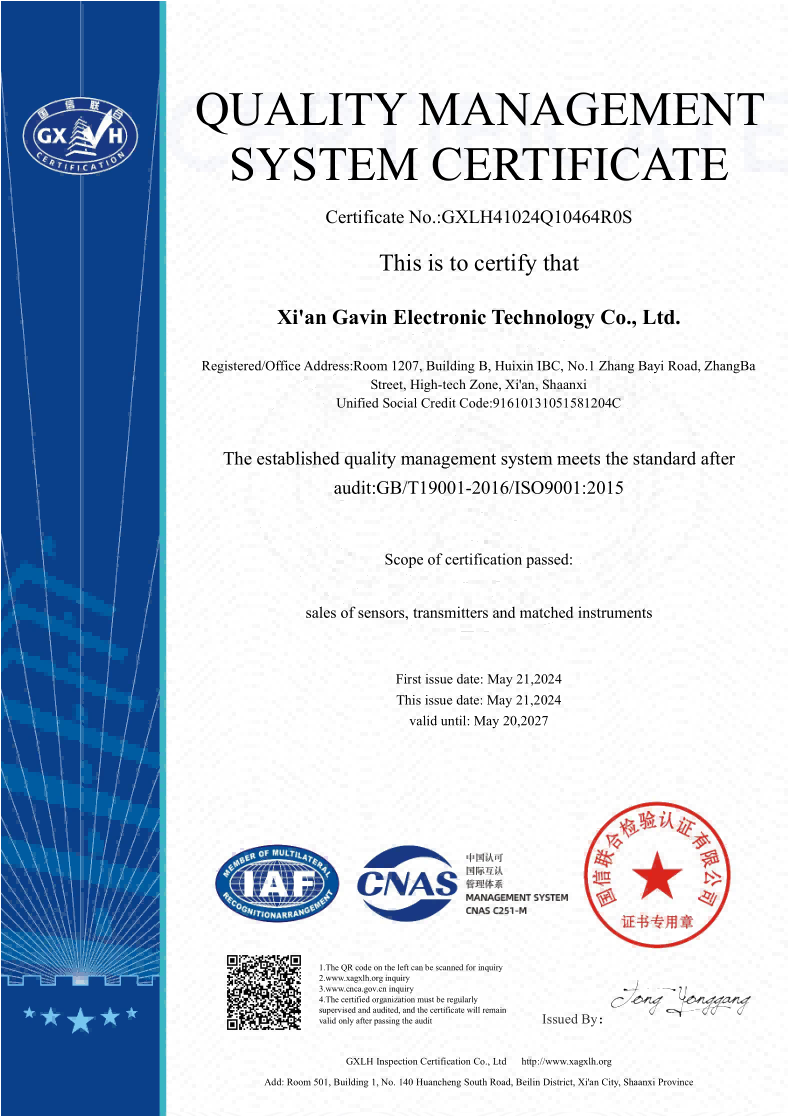
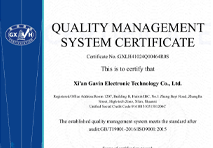
In addition to food safety certifications, quality management system standards like ISO 9001 show that providers use consistent methods for making products and keeping track of them. By asking for certification paperwork during the quote phase, you can avoid delays later on when sensors come without the right papers for regulatory audits. Some dairy groups and big processors keep lists of approved vendors that make it easier to check certifications. However, these lists should be checked on a regular basis to make sure they include competitive suppliers that offer new technologies.
Evaluating Supplier Capabilities and Support Infrastructure
The bond with the supplier goes far beyond the first purchase. As part of the evaluation process, the availability of technical support should be taken into account. This should include quick engineering help for application questions during design and troubleshooting support throughout the lifetime of the product. Global shipping networks make sure that first orders are delivered on time and that new parts are sent out quickly when they need to be. After-sales service options, such as calibration services and repair shops, keep downtime to a minimum when sensors need to be serviced.
Customization choices from suppliers are useful for OEM uses or installations with special needs, like changing the length of cables, making special process connections, or private marking for equipment makers. Companies that have a foothold in more than one area can help dairy makers with sites in different countries by providing consistent product standards and unified support, no matter where the plant is located. When evaluating a supplier, getting recommendations from current dairy customers and touring the factory to see how the products are made are two ways to find out about the organization's skills and the quality control methods used, which decide how reliable the final product is.
Managing Lead Times and Inventory Strategies
Supply chain management has a big effect on how long projects take and how smoothly operations keep running. Standard CIP hygienic pressure sensors usually ship in two to four weeks. For special designs, planning, manufacturing, and testing may take six to ten weeks. Framework deals set prices and delivery times for planned purchases over long periods of time. These are helpful for projects that have more than one facility or works that are done in stages. Keeping a stockpile of important spare parts weighs the cost of doing so with the chance that sensor failures will stop production.
For each important CIP application, many dairy plants keep one or two spare sensors on hand. This is especially true for older setups where new parts may take longer to arrive. Having consignment inventory agreements with sellers can help you save money on keeping costs and get parts right away, but these programs usually require you to make a minimum number of purchases each year. Procurement professionals should work with repair teams to look at past failures and figure out which sensor positions are worth investing in spare parts for instead of getting replacements right away.
Real-World Case Studies and Future Outlook
Validated CIP hygienic pressure sensors have real benefits in working dairy plants that can be seen by looking at how they are used in real life.
Successful Implementation at a Leading Dairy Cooperative
Twelve of the processing lines at a large dairy cooperative that processes 500,000 gallons of milk every day now have approved CIP hygienic pressure sensors added to their CIP tracking system. In the past, standard industrial sensors were used, but they often broke down after being exposed to chemicals, needing to be replaced every month and leaving gaps in paperwork during regulatory checks. These problems were fixed when stainless steel capacitive pressure sensors with 3-A approval were added. Over the next two years, the number of times sensors needed to be replaced dropped by 85%, and automatic pressure tracking made it easier for regulators to check that the CIP cycle was properly documented.
The factory estimated that the investment would pay for itself in eighteen months, since they would not have to hire as many maintenance workers, buy as many emergency sensors, or deal with production delays caused by cleaning system problems. Engineering management said that accurate pressure tracking also made it possible to get the most out of the CIP chemicals used, which cut the cost of these chemicals by 12% every year without affecting how well they cleaned.
Emerging Technologies in Pressure Sensing
As new ideas come up, they keep improving sensors' abilities and making more uses possible. Wireless CIP hygienic pressure sensors get rid of the costs of wiring infrastructure and make tracking possible in places that weren't possible before because of how hard they were to install. Battery-powered wireless units that can work for years are good for movable CIP carts and short-term setups while a building is being expanded. Sensing elements that are very small can be built into small manifolds and tight placement areas.
Modern materials, like sapphire and silicon carbide, are better at resisting chemicals and being strong enough for the toughest jobs. Better temperature adjustment algorithms keep accuracy over a wider range of working temperatures without having to be re-calibrated as often. These changes should make it easier for dairy processing plants to plan future projects like growth or upgrades.
Data-Driven CIP Management and Industry 4.0 Integration
Intelligent CIP control systems are possible now that sensor technology and industrial IoT platforms are coming together. When you measure temperature, flow, conductivity, and pressure at the same time, you can see the whole process clearly and make changes to the cleaning routine in real time. Machine learning systems look at past data to figure out the best CIP rates. This cuts down on cleaning that isn't necessary while still meeting cleanliness standards. Cloud-based data analytics find performance trends across various facilities, which helps standardize processes at the company level.
Sensor data is used in digital twin simulations to model how well cleaning works and to test optimization methods without putting real production at risk. When blockchain is used, it provides permanent audit logs of cleaning activities that meet the needs of stricter regulations. When dairy makers buy validated CIP hygienic pressure sensors that are ready to be integrated into Industry 4.0, they will gain a competitive edge through business efficiency, quality assurance, and following the rules.
Conclusion
In conclusion, CIP hygienic pressure sensors that have been tested and approved for use in dairy CIP applications are important parts of the infrastructure that keep things clean, make processes run more smoothly, and meet legal requirements. When choosing sensors for food, you have to pay close attention to standards for clean design, compatibility of materials, accuracy requirements, and approval needs. These are the things that set food-grade sensors apart from other industrial goods. Buying strategies that balance beginning costs with total ownership costs are more valuable in the long run than choices that are only based on purchase price.
Systematic maintenance methods, such as regular inspections, occasional calibration, and predicted tracking, keep sensors working well for longer periods of time. As digital transformation and Industry 4.0 ideas become more common in dairy processing, more advanced pressure sensing technologies will make it possible for more complex CIP management strategies that improve both food safety and operating efficiency.
FAQ
What certifications should CIP hygienic pressure sensors have for dairy applications?
Sensors used in dairy CIP systems should be certified by 3-A Sanitary Standards in the US, EHEDG in Europe, and FDA for items that come into touch with food. These certificates show that the design of the sensor meets cleanliness standards, such as being able to be cleaned, drained, and made of materials that don't react badly with dairy products or cleaning products. For setups in areas that could be explosive, you might need extra licenses like ATEX.
How often should hygienic pressure sensors be calibrated?
For most dairy uses, yearly calibration is the norm, but for important installations or certain regulatory requirements, proof may need to happen every six months. If sensors are used in very rough conditions or if past calibrations showed drift close to the limits of specification, the frequency of calibration should go up. Keeping records of testing tasks helps with quality system certifications and following the rules.
Can standard industrial pressure sensors be used in dairy CIP systems?
Standard industrial sensors don't have the clean design qualities that are needed for dairy uses. They usually have threaded connections, rough surfaces, and materials that don't stand up to harsh CIP chemicals and make good places for bacteria to live. Using monitors that aren't approved puts food safety at risk, causes problems with following the rules, and causes problems with operations when they fail too soon.
Partner with GAMICOS for Reliable CIP Hygienic Pressure Sensor Solutions
GAMICOS offers tested pressure sensing options made for dairy production settings all over the world. Our CIP hygienic pressure sensors are made of full stainless steel 316L, have smooth flush diaphragms, and have certifications that meet international standards for food safety. Our measurement technology is used by engineering teams in over 100 countries to keep working areas clean and to get the most out of cleaning. We offer full OEM and ODM customization services, which include changing sensor specs, process links, and communication methods to fit your exact needs.
GAMICOS is your reliable source for CIP hygienic pressure sensors, and they are committed to a long-term relationship of success. They have strict quality control methods and quick response technical help around the world. Email our application engineers at info@gamicos.com to talk about the measurement problems you're having in dairy processing and find out how our approved CIP hygienic pressure sensors can help you do a better job.
References
1. 3-A Sanitary Standards, Inc. (2019). 3-A Sanitary Standards for Sensors and Transmitters Used on Milk and Milk Products Equipment. McLean, VA: 3-A SSI.
2. European Hygienic Engineering & Design Group. (2018). EHEDG Guidelines for Hygienic Design of Equipment for Open Processing. Frankfurt: EHEDG Secretariat.
3. U.S. Food and Drug Administration. (2020). Grade "A" Pasteurized Milk Ordinance. Washington, DC: U.S. Department of Health and Human Services.
4. Kessler, H.G. (2002). Food and Bio Process Engineering: Dairy Technology. Munich: Verlag A. Kessler.
5. Tamime, A.Y. (2008). Cleaning-in-Place: Dairy, Food and Beverage Operations (3rd ed.). Oxford: Blackwell Publishing.
6. International Dairy Federation. (2017). Guidance on Cleaning and Disinfection of Milk Processing Equipment. Brussels: IDF Communications Department.

Peter
Peter, Senior Sensor Technology Consultant, has 15-year industrial sensor R&D experience. He specializes in the end-to-end development of high-accuracy pressure and level sensors and he firmly believe, precision isn’t just a spec—it’s a promise.
We're here to help — submit your request anytime!
Let us know how we can help solve your pressure level measurement challenge.
_1757930850792.jpg)
Recommended Blog
How do I choose the right sanitary pressure transmitter for my application?
How do I choose the right sanitary pressure transmitter for my application?
How do I choose the right sanitary pressure transmitter for my application?