From Manual Checks to Remote Monitoring: Oil Tank Level Sensors
Introducing Oil Tank Level Sensors: From Basics to Advanced Technologies
- Introducing Oil Tank Level Sensors: From Basics to Advanced Technologies
- Evolution from Manual Checks to Remote Monitoring: Overcoming Traditional Limitations
- How to Choose the Best Oil Tank Level Sensor for Your Business Needs?
- Maximizing Sensor Performance: Installation, Maintenance, and Troubleshooting
- Future Trends and Innovations in Oil Tank Level Monitoring
- Conclusion
- FAQ
- Transform Your Tank Monitoring with GAMICOS Oil Tank Level Sensor Solutions
- References
The change from traditional oil tank checks done by hand to advanced remote tracking systems is a big change in how industrial liquids are managed. Today's oil tank level sensor technology gets rid of the problems and risks that come with using a dipstick to measure the oil level. It uses advanced sensing principles to provide constant, accurate tracking. As technology changes, it solves important problems that workers in the petroleum, chemical, and energy sectors face every day, such as safety issues, high operational costs, and the need to follow rules.
Introducing Oil Tank Level Sensors: From Basics to Advanced Technologies
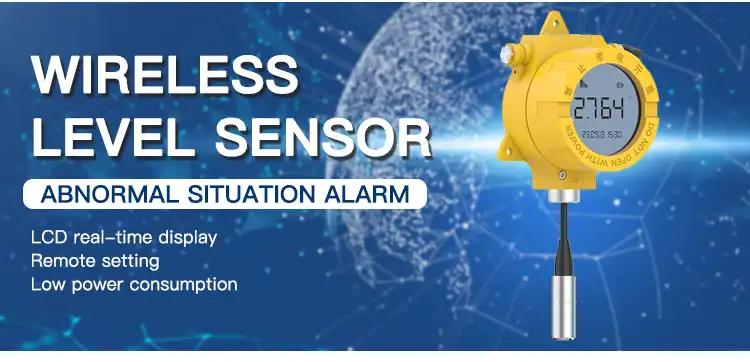
Monitoring the amount of oil in tanks has changed a lot over the years, from simple visual checks to complex computer measurement systems. These high-tech gadgets use more than one way to sense things to give accurate information about liquid levels in a wide range of workplace settings.
Hydrostatic Pressure Sensing Technology
One of the most effective ways to measure things today is with hydrostatic monitors. The basic idea behind these tools is that the pressure in the oil stream stays directly related to the depth of the liquid. The oil tank level sensor takes this difference in pressure and turns it into normal electrical signals, usually 4-20mA output, which makes it easy to connect to current control systems. When it comes to storing oil, this technology works especially well because accuracy and steadiness are very important.

Capacitive Level Measurement Systems
Capacitive oil level monitors work by putting two conductive plates inside the tank and making an electric field between them. The insulating material between these plates changes when the oil level changes, which directly changes the capacitance that can be measured. Through complex electrical processing, this change in capacitance can be turned into accurate level estimates. For both ongoing tracking and point-level detection situations, the technology is very reliable in places like fuel storage and chemical processing plants.
Ultrasonic and Radar Detection Methods
Advanced ultrasonic devices send sound waves toward the surface of the liquid and record how long it takes for the waves to bounce back. Radiar-based devices use radio waves to figure out distances in a similar way, but they work better in harsh environments. Both technologies let you measure things without touching them, which cuts down on upkeep needs and keeps measurements accurate even when temperatures change and there is a lot of vapor in the air, which is common in industrial tank uses.
Evolution from Manual Checks to Remote Monitoring: Overcoming Traditional Limitations
The old way of checking the level of a tank by hand has a lot of problems that current remote tracking systems can solve. When data is checked by hand, it is often not collected very often, leaving information gaps that can cause product shortages or problems with environmental compliance.
Addressing Manual Inspection Limitations
Checking levels by hand causes many errors in operations that hurt both safety and profits. People have to physically go to tank sites, which are often in dangerous places, and the accuracy of measurements rests a lot on the skill level of the operator and the conditions of the area. With these old-fashioned ways, data is usually only collected during planned checks, so there are long periods of time when there is no level information.
These problems can't happen with remote tracking systems because they gather data all the time through integrated IoT platforms. Modern devices send data in real time to cloud-based management systems, which lets centralized control rooms keep an eye on things 24 hours a day, seven days a week. This constant stream of data helps with proactive inventory management and sending out instant alerts when levels get close to certain limits.
Implementation Strategy and ROI Considerations
For remote tracking to work, it needs to be carefully planned out so that software issues, data integration needs, and staff training requirements are all taken into account. Large-scale industry deployments usually get a good return on investment by cutting down on labor costs, making inventory control more accurate, and making sure that environmental rules are followed more closely. Through automated alert systems and predictive maintenance capabilities, commercial sites often report big operating gains within the first year of deployment.
How to Choose the Best Oil Tank Level Sensor for Your Business Needs?
When choosing the right level sensing technology, you need to carefully think about the needs of the business, the surroundings, and the ability to integrate the technology. Different sensing principles have different benefits based on the needs and features of the application.
Performance Metrics and Selection Criteria
Some important things to look for in a sensor are how accurate the measurements are, how long they last in different environments, and how well they work with different transmission protocols. Different types of sensors have very different installation requirements. Some need to be changed in the tank, while others can be mounted without damaging it. The GAMICOS GLT5001 liquid diesel level sensor is an example of advanced design concepts. It uses silicon piezoresistive pressure sensing, automatic temperature adjustment, and digital correction circuits that can be programmed.
This specialty oil tank level sensor can be set up in a number of different ways to meet different operating needs. The normal model accurately measures the amount of liquids, and the magnetic suction base version lets you keep an eye on tanks while they're moving. For steady performance in harsh industrial conditions, both designs are put through a lot of tests, such as cycling the pressure, evaluating how well they hold up over time, and simulating the environment.
Technology Comparison and Supplier Evaluation
Here are the main benefits that make high level sensing systems stand out:
- Integrated Design Architecture: Modern sensors are very good at blocking interference because they are made with electromagnetic compatibility engineering in mind. This makes sure they can work reliably in places with a lot of electrical noise.
- Multiple Output Configurations: Modern devices can communicate using a number of different protocols, such as analog 4-20mA, digital fieldbus, and wireless choices. This is so they can meet the needs of a wide range of system interaction requirements.
- Better Protection Against the Environment: Enclosures with an IP68 rating keep out all dust and water, so they can work reliably in tough chemical and fuel environments.
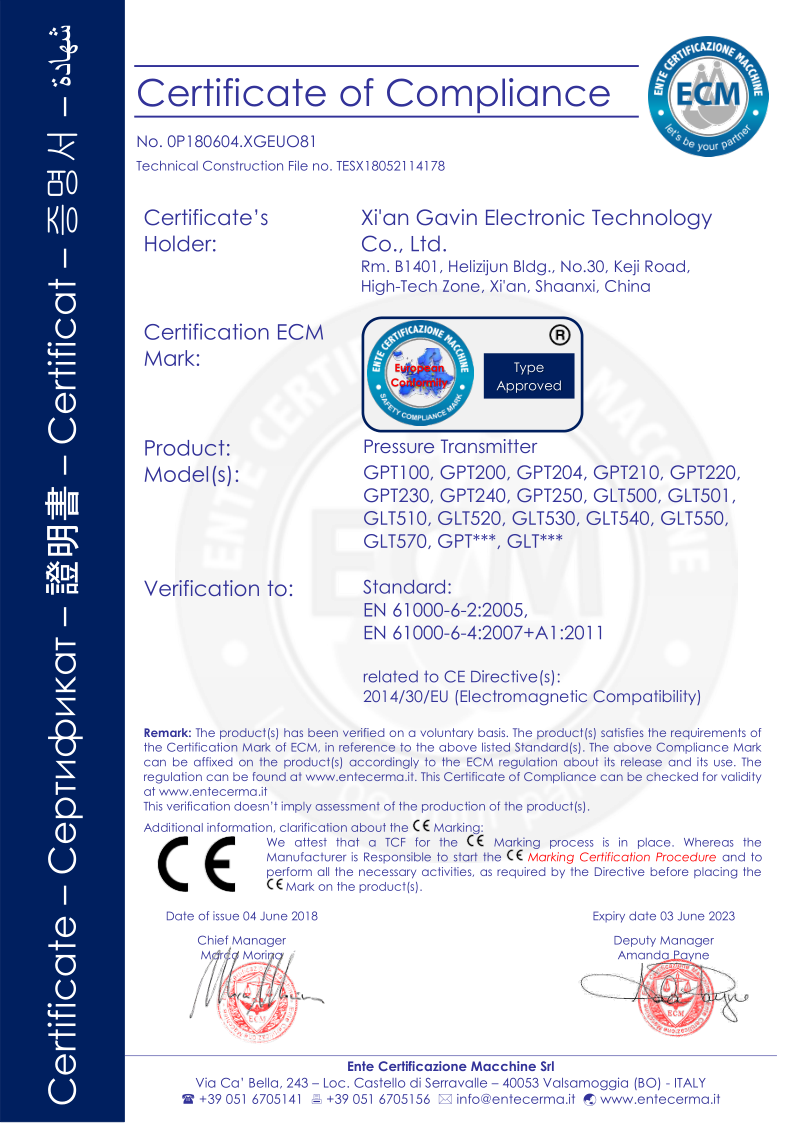
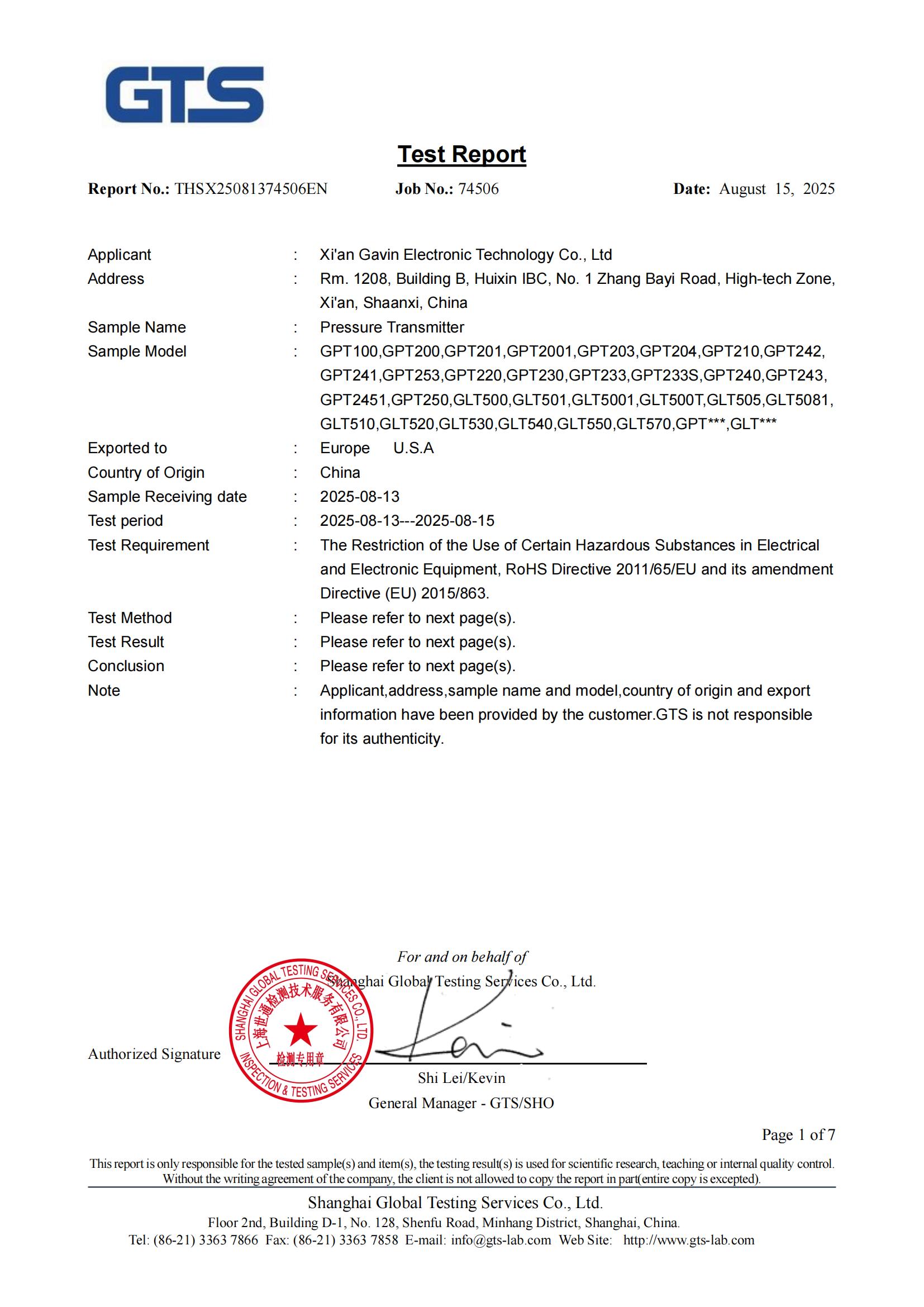
- Explosion-Proof Certification: Following the rules for ATEX, CE, and RoHS makes sure that you follow the rules in all foreign markets and helps you work safely in places that could be dangerous.
These technological benefits successfully solve common production problems like inconsistent measurements, frequent maintenance, and worries about following rules that affect operating efficiency and safety performance.
Maximizing Sensor Performance: Installation, Maintenance, and Troubleshooting
When sensors are installed correctly and maintained regularly, they work at their best for the whole time they are in use. These habits have a direct effect on the accuracy of measurements and the longevity of tools in a wide range of workplace settings.
Installation Best Practices and Calibration Procedures
A well-prepared site that includes mounting needs, power connections, and communication equipment is the first step to a successful sensor placement. The shape of the tank, the properties of the liquid, and the weather all affect where and how to set up oil tank level sensor in the best way. Professional installation teams usually do full testing processes that set accurate measurement baselines and make sure communication is working.
The fully welded frame and anti-vibration magnetic fixing system of the GLT5001 sensor make it easier to install and ensure its long-term mechanical stability. Multiple output choices make it easy to connect to current tracking systems, which makes installation simpler and cuts down on the time needed to get it up and running.
Maintenance Schedules and Performance Optimization
Routine maintenance procedures check the calibration, make sure the link is solid, and update the software to keep the accuracy of the measurements over time. Changes in temperature, chemical contact, and mechanical vibrations can all affect the performance of sensors over time if they are not properly maintained. Common problems like signal interference, communication mistakes, and mechanical wear can be fixed before they become operationally unreliable through proactive repair.
Future Trends and Innovations in Oil Tank Level Monitoring
New technologies, like AI integration and energy-efficient wireless communication systems, are changing the ways that liquid levels can be monitored. For workplace monitoring uses, these new ideas promise to make operations more efficient and lower the total cost of ownership.
AI-Driven Predictive Analytics
More and more, advanced monitoring systems use machine learning algorithms that look at trends in past data to guess how much will be used and make the best use of inventory. Because they can predict what will happen, automatic reordering systems can keep the right amount of goods on hand while lowering costs and the risk of running out.
Wireless Sensor Networks and IoT Integration
Energy-harvesting wireless monitors get rid of the need for standard power infrastructure and offer a variety of installation options for tracking tasks that need to be done from afar or temporarily. These systems work well with IoT platforms that let you analyze data in the cloud and give field workers and management teams access to data from their phones.
Conclusion
The change from checking tanks by hand to automatically watching them from afar is a major step forward for modern industrial operations. Modern oil tank level sensors are accurate, reliable, and can work with other systems, so they can keep up with changing working needs and protect the environment and regulations. Investing in sensing technologies that have been shown to work leads to real gains in working efficiency, safety, and the accuracy of inventory management. Companies that use these technological advances will be able to stay ahead of the competition in an industry that is becoming more and more demanding.
FAQ
Can existing tanks be retrofitted with modern level sensors?
Modern level sensors can be mounted in a number of different ways on most current tank systems. Non-intrusive ultrasonic sensors don't need many changes to the tank, but underwater pressure sensors might need an entry port to be installed. Professional evaluation figures out the best ways to retrofit a tank based on its form and its operating needs.
How do ultrasonic sensors compare to float-based measurement accuracy?
Most of the time, ultrasonic devices are more accurate and consistent than mechanical float systems. Float sensors can have problems with mechanical wear and sticking, which can make measurements less accurate. Ultrasonic devices, on the other hand, work without touching anything and don't need much upkeep. But float sensors might work better in situations where there is a lot of surface movement or foam.
What advantages do wireless sensors offer in large industrial facilities?
Wireless level monitors don't need a lot of cables to be installed, which lowers the cost and difficulty of installation in big buildings. These systems let you place tracking points in a variety of ways and are easy to expand as your business needs change. When the power goes out, battery-powered wireless monitors keep working, keeping important tracking functions available.
Transform Your Tank Monitoring with GAMICOS Oil Tank Level Sensor Solutions
GAMICOS offers state-of-the-art technology for measuring liquid levels that makes operations more efficient in chemical, industrial, and fuel settings. The GLT5001 diesel level monitor is made of silicon piezoresistive technology and is very accurate. It can also automatically adjust for temperature changes and make corrections that you can set. As a reliable company that makes oil tank level sensors, we offer a wide range of customization options, such as unique mounting options, communication methods, and licensing needs. Get in touch with our technical team at info@gamicos.com to talk about your unique tracking problems and get personalized advice on how to measure the level of your tanks.
References
1. Johnson, M. & Anderson, P. (2023). Industrial Tank Level Monitoring: Technologies and Best Practices. Journal of Industrial Automation, 45(3), 78-92.
2. Smith, R.K. (2023). Remote Monitoring Systems in Petroleum Storage Applications. Oil & Gas Technology Review, 31(2), 134-148.
3. Chen, L. & Williams, D. (2022). Comparative Analysis of Level Sensing Technologies for Industrial Applications. Sensors and Instrumentation Quarterly, 28(4), 45-61.
4. Thompson, A.J. (2023). IoT Integration in Liquid Level Management Systems. Industrial IoT Solutions, 12(1), 23-37.
5. Garcia, S. & Brown, K. (2022). Safety and Compliance in Automated Tank Monitoring. Process Safety International, 19(3), 156-171.
6. Roberts, M.E. (2023). Cost-Benefit Analysis of Remote Tank Monitoring Implementation. Industrial Economics Review, 41(2), 89-104.

Spring
Spring, With 5 years of experience in sensor technology and product development, Mark specializes in helping clients identify the optimal pressure and level sensor solutions for demanding industrial environments。
We're here to help — submit your request anytime!
Let us know how we can help solve your pressure level measurement challenge.
_1757930850792.jpg)
Recommended Blog