Why 316L Stainless Steel Matters in Sanitary Pressure Measurement
Understanding 316L Stainless Steel and Its Importance in Sanitary Pressure Transmitters
- Understanding 316L Stainless Steel and Its Importance in Sanitary Pressure Transmitters
- How 316L Sanitary Pressure Transmitters Work and Their Key Advantages
- Choosing the Right Sanitary Pressure Transmitter: Comparing 316L with Alternatives
- Practical Considerations for Procurement and Maintenance of 316L Sanitary Pressure Transmitters
- Applications and Future Trends of 316L Sanitary Pressure Transmitters in B2B Industries
- Conclusion
- FAQ
- Partner with GAMICOS for Advanced 316L Sanitary Pressure Solutions
- References
When choosing pressure measuring tools for clean environments, the material becomes very important. Due to its high resistance to rust and ability to work with living things, the 316L sanitary pressure transmitter is the gold standard in biotechnology, pharmaceutical manufacturing, and food processing. This special alloy combines high mechanical strength with clean design principles, so measures are accurate while meeting the high standards for cleanliness needed in sensitive industry settings.
Understanding 316L Stainless Steel and Its Importance in Sanitary Pressure Transmitters
The well-known 316 metal comes in a low-carbon version called 316L stainless steel. It was specially made to work well in harsh sanitary settings. About 17–20% of this austenitic stainless steel is chromium, 10–14% is nickel, and 2–3% is molybdenum. The carbon percentage has been lowered to 0.03% or less. Adding molybdenum makes the steel much more resistant to corrosion, especially against chloride-induced pitting and cavity corrosion that happens a lot during cleaning and sterilization.
Superior Material Properties for Hygienic Applications
The mechanical makeup of 316L stainless steel gives it great performance qualities that are necessary for measuring pressure in a clean environment. Its nonmagnetic properties stay the same even when the temperature changes, and the smooth surface finish made possible by special manufacturing methods makes it harder for bacteria to stick to. Unlike regular carbon steels or even 304 stainless steel alternatives, 316L stays structurally sound even when it's cleaned with harsh chemicals, sterilized with steam, or treated with caustic solutions that are common in food and drug facilities.
Compliance with International Hygiene Standards
316L stainless steel is the best material for direct food contact uses, according to the FDA, EHEDG (European Hygienic Engineering & Design Group), and 3-A Sanitary Standards. This name comes from a lot of tests that showed the alloy's resistance to leaking, its ability to go through multiple sterilization processes without breaking down, and its ability to work with different cleaning methods. Pharmaceutical businesses that follow GMP guidelines or factories that want to follow HACCP rules depend on 316L parts to meet strict paperwork and traceability needs.
How 316L Sanitary Pressure Transmitters Work and Their Key Advantages
316L sanitary pressure transmitters have advanced monitoring systems that keep measurements accurate while keeping the cleanliness of the device. The GAMICOS GPT210 Sanitary Flat Diaphragm Pressure Transmitter is an example of this kind of technology integration. It has a flush-mounted diaphragm design that gets rid of empty areas where dirt and other contaminants could gather. A distributed silicon pressure core is the main detecting element in the device, and either standardized silicon oil or food-grade olive oil is used to send the pressure.
Advanced Sensing Technology and Signal Processing
Because it has a flat diaphragm, a 316L sanitary pressure transmitter can sense pressure directly without the crevices or threaded connections found in other designs. When process pressure acts on the 316L stainless steel diaphragm, the resulting stress is transmitted to the silicon sensing core via a fill fluid. Through piezoresistive effects, this core converts mechanical strain into proportional electrical signals, generating standard outputs compatible with modern industrial control systems.
Here are the main ways that 316L clean pressure devices are better than others:
• Hygienic and anti-scaling properties: The smooth, flush-mounted surface keeps product waste at bay and makes it easy to clean during CIP (Clean-in-Place) and SIP (Sterilize-in-Place) processes, which lowers the risk of contamination and keeps product quality standards high.
• Great sealing and long-lasting stability: modern welding methods create airtight seals between the diaphragm and transmitter body, keeping moisture out and keeping the accuracy of the calibration over long service intervals.
• Electrical safety features: The transmitter has built-in short-circuit and reverse polarity protection to protect it from installation mistakes and electrical problems. This lowers the need for upkeep and makes sure it works reliably in his harsh industrial settings.
• A number of signal output options: the device can communicate in a number of different ways, such as using 4-20 mA analog signals, RS485 digital communication, IIC protocols, and voltage outputs (0-5V/0-10V). This makes it easy to connect to a wide range of control designs and data gathering systems.
| GPT210 Sanitary Pressure Transmitter | |
| pressure range | 0~35kPa...20MPa |
| output signal | 4~20mA 0~5Vdc 1~5Vdc 0~10Vdc |
| power supply | 12~30Vdc |
| accuracy | 0.25%FS(typ.), 0.5%FS |
| operating temperature range | -40~+85 °C(normal temperature), -40~+150 °C( high temperature) |
| electrical interface | DIN43650, cable connection, 2088 housing+display |
| pressure interface | M20x1.5,G1/2 (customer request) |
| material membrance | clamp diaphragm: 316L stainless steel |
| material of housing | stainless steel |
| protection | IP65 |
These technology advances help solve important problems in clean processing areas, where precise measurements and keeping surfaces clean must live without any issues.
Choosing the Right Sanitary Pressure Transmitter: Comparing 316L with Alternatives
In sanitary pressure measurement uses, the choice of material has a big effect on both the short-term performance and the long-term prices of running the business. Many types of stainless steel and unique alloys are available, so it's important to know what their strengths and weaknesses are so you can make an informed purchase choice.
316L Versus 304 Stainless Steel
Because standard 304 stainless steel has less nickel and no molybdenum, it is more likely to rust in normal cleaning settings where salt is present. When chlorine-based sanitizers are used in food processing plants, 304 parts often break down before they should, which can cause unscheduled maintenance and possibly contaminate the food. The small price difference between 304 and 316L materials is not important when you look at the total cost of ownership, which includes how often you have to repair things and the costs of downtime.
Specialty Alloys and Their Niche Applications
Hastelloy and other super-alloys offer superior chemical resistance, but their high cost can place them out of reach for standard projects. These specialized materials are essential in extreme chemical environments or in pharmaceutical processes involving aggressive acids. However, for most sanitary applications, 316L sanitary pressure transmitter models represent the optimal balance for procurement managers, delivering the best combination of performance, cost-effectiveness, and reliable supply chain availability.
Vendor Selection and Brand Considerations
Manufacturers with a long history, like Rosemount, Endress+Hauser, and Siemens, offer wide ranges of products with different prices and features. But specialized companies like GAMICOS only offer pressure and level measurement solutions. They offer similar technical performance with better customization options and more affordable prices. This skill gives you more knowledge about the application and better customer service during the whole process of buying and setting it up.
Practical Considerations for Procurement and Maintenance of 316L Sanitary Pressure Transmitters
To successfully set up sanitary pressure measurement systems, you need to pay close attention to choosing the right provider, following the installation instructions, and keeping up with the upkeep schedule. To guarantee long-term operational success, procurement managers must look at more than just the original buy price.
Supplier Evaluation and OEM Capabilities
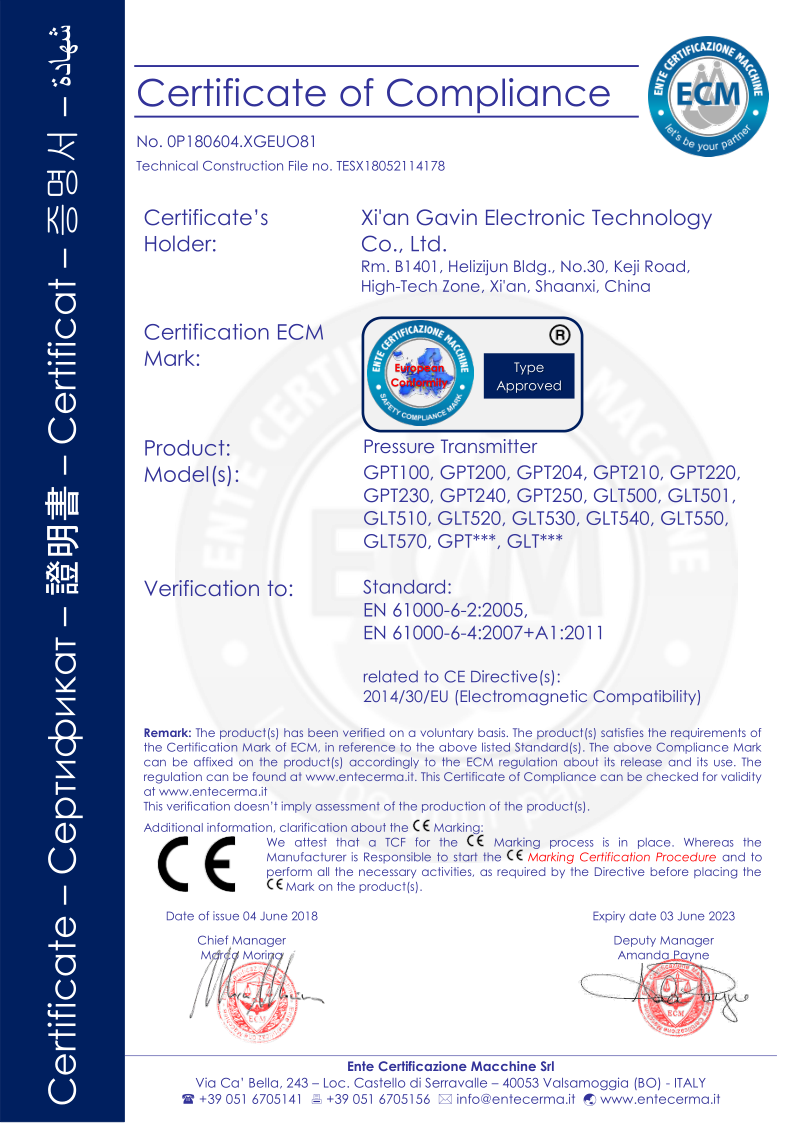
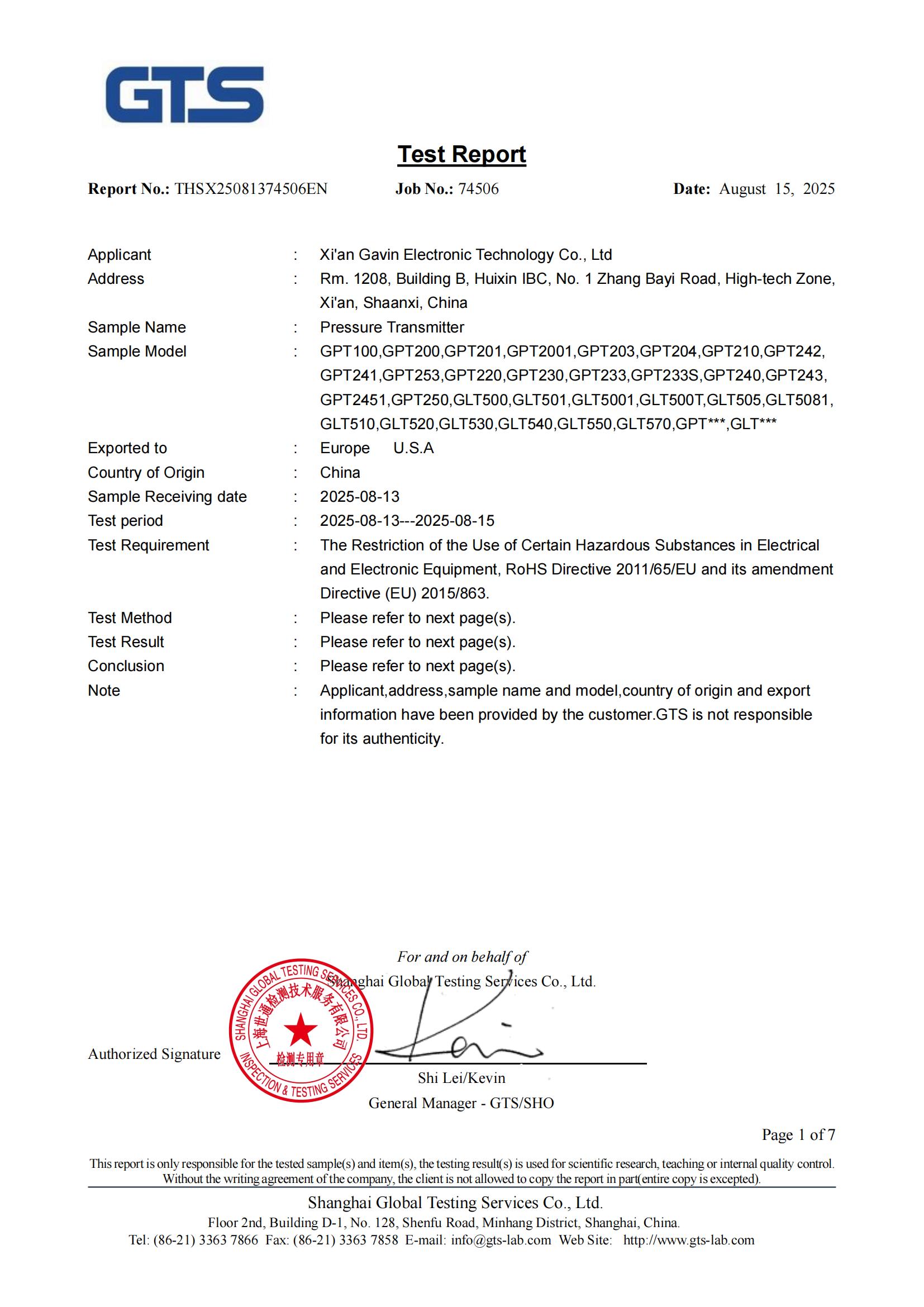
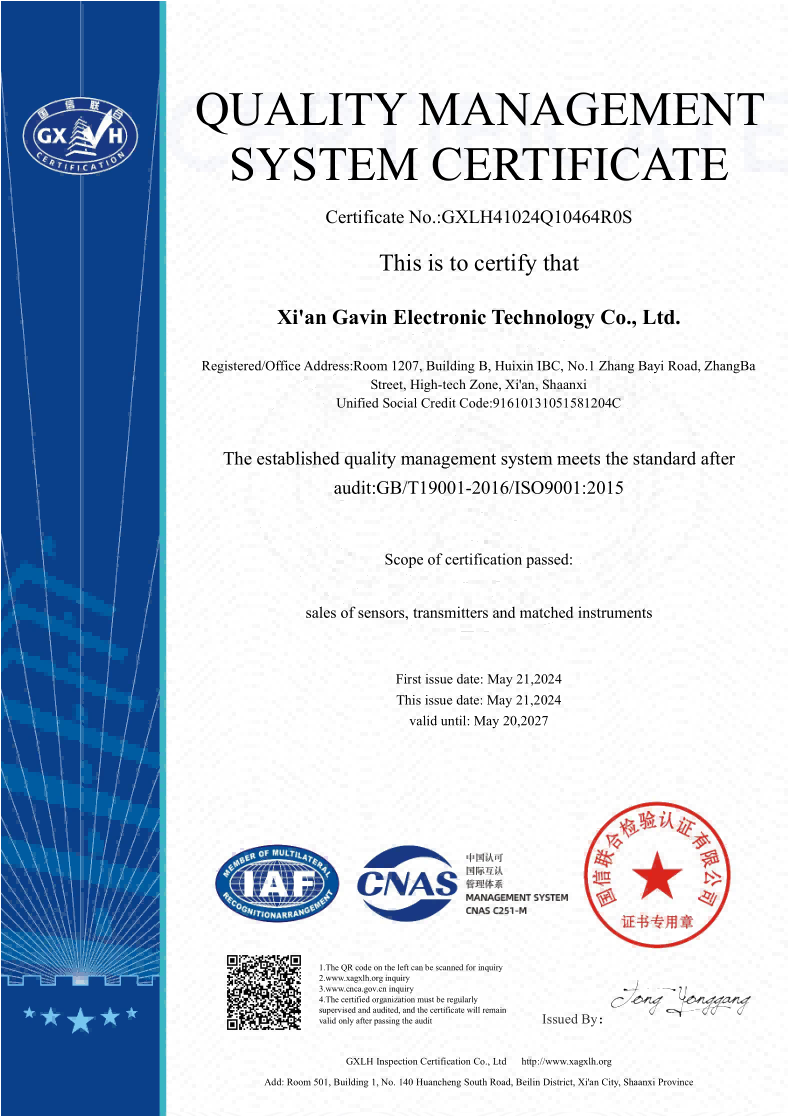
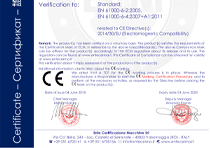
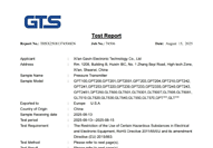
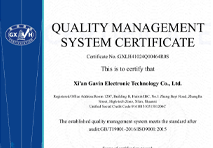
Suppliers you can trust have complete quality control systems, foreign certifications, and a history of success in clean applications. GAMICOS is a good example of these qualities because it has worked with clients in over 100 countries and areas, especially in the North American and European markets. The company has a separate R&D department that works with research centers and keeps track of various patents to make sure that products are always getting better and technology is always moving forward.
Installation and Commissioning Requirements
When installing 316L sanitary pressure transmitters correctly, it is important to pay attention to the mounting direction, the stability of the process connections, and electrical safety rules. To keep the flat diaphragm design clean and avoid measurement mistakes, it needs to be perfectly lined up with the process pipes. Suppliers with a lot of experience give thorough installation instructions and technical help to make sure that everything works perfectly, from the first start-up to ongoing operation.
Maintenance Strategies for Extended Service Life
The main goal of routine upkeep is to preserve both the measurement accuracy and the hygienic integrity of the equipment. Regular calibration against approved reference standards ensures reliable readings, while thorough inspection of sealing surfaces and electrical connections prevents degradation that could jeopardize safety or performance. Due to the inherent robustness and corrosion resistance of 316L sanitary pressure transmitter components, maintenance intervals are extended compared to units made from alternative materials. This directly reduces operational downtime and lowers the total cost of ownership over the equipment's lifecycle.
Cleaning certification methods that make sure all process leftovers and sanitizing agents have been removed are an important part of maintenance programs that work. Recording cleaning processes and calibration results helps with legal compliance and shows early signs of possible problems that need to be fixed.
Applications and Future Trends of 316L Sanitary Pressure Transmitters in B2B Industries
In many fields where process control and product quality come together, sanitary pressure transmitters play important roles. Food and drink companies depend on accurate pressure measurements at every stage of production, from mixing ingredients to packing them. Pharmaceutical businesses need to keep a close eye on the fermentation, filtration, and clean filling processes because contamination could affect the safety and effectiveness of the product.
Dairy Industry Applications and Challenges
Dairy processing has its own problems because milk tends to leave deposits on machinery and can easily become contaminated with germs. The GPT210's ability to stop scaling is especially useful in pasteurization systems, cream separation processes, and cheese production lines, where other transmitters might build up protein layers that make measurement less accurate. Being able to handle the strong alkaline cleaners used in dairy cleanliness routines makes it possible to wait longer between maintenance visits and save money on costs.
Emerging Technologies and Industry Evolution
Demand for better connection and troubleshooting tools in sanitary pressure measurement is driven by efforts to go digital. Modern transmitters have built-in wireless communication methods and predictive maintenance algorithms that let them be monitored from afar and find problems early on. These improvements cut down on the need for site visits while giving more information about how the process is working and how the equipment is holding up.
As regulations push for more traceability and validation paperwork, it opens up possibilities for producers who can log and report on a lot of data. In the future, new products will probably focus on cybersecurity features and cloud-based analytics tools that help with Industry 4.0 projects while still meeting the basic needs of sanitary apps for dependability and accuracy.
Conclusion
Due to its unique mix of rust resistance, mechanical strength, and hygiene qualities, 316L stainless steel has become the material of choice for measuring pressure in clean environments. The GAMICOS GPT210 Sanitary Flat Diaphragm Pressure Transmitter shows how advanced engineering can use these material benefits to make measurements that are reliable and accurate in harsh industrial settings. Purchasing managers who want to improve their process control systems should focus on 316L sanitary pressure transmitter options that have been shown to work well, meet legal requirements, and provide long-term value. Putting money into high-quality materials and custom design pays off in the form of less upkeep, safer products, and more efficient operations in science, pharmaceutical, and food industries.
FAQ
What distinguishes a 316L sanitary pressure transmitter from standard pressure measurement devices?
316L sanitary pressure transmitters are built in a special way, with materials that are allowed for direct food contact, flush-mounted diaphragms, and surfaces that don't have any cracks. Standard transmitters have threaded connections or parts that stick out. Sanitary designs, on the other hand, don't have any empty areas where bacteria or other contaminants could gather. This makes them completely clean and germ-free.
How frequently should 316L sanitary pressure transmitters undergo calibration verification?
The amount of time between calibrations depends on how important the application is and what the regulations say, but they are usually between six months and two years. In pharmaceutical uses, checks need to be done more often, but in food preparation, longer breaks may be okay depending on how stable the process is and how much risk there is. Regular testing helps make sure that measurements are accurate and meets the needs for compliance paperwork.
Can GAMICOS provide custom-engineered 316L sanitary pressure transmitters for specialized applications?
To answer your question, GAMICOS does provide full OEM and ODM services. These include customizing sensor specs, transmission methods, housing configurations, and documentation files. The engineering team at the company works with customers to come up with solutions that meet the needs of specific applications while still following clean design principles and legal compliance standards.
Partner with GAMICOS for Advanced 316L Sanitary Pressure Solutions
When it comes to clean industrial uses, GAMICOS offers cutting edge measurement technology. Our GPT210 Sanitary Flat Diaphragm Pressure Transmitter is made of 316L stainless steel and uses cutting edge monitoring technology to give your processes the accuracy and dependability they need. As a reliable company that makes 316L sanitary pressure transmitters, we offer full customization options, global supply chain management, and dedicated expert support to make sure that your system works at its best for as long as it lasts. Get in touch with our engineering team at info@gamicos.com to talk about your unique needs and find out how our knowledge can help you improve your process control while keeping the greatest standards of safety and hygiene.
References
1. Smith, J.A., "Stainless Steel Alloys in Hygienic Process Applications: A Comprehensive Materials Analysis," Journal of Industrial Materials Science, Vol. 45, 2023, pp. 234-251.
2. Anderson, M.R., "Pressure Measurement Technologies for Food Safety Applications: Design Principles and Regulatory Compliance," Food Engineering Quarterly, Vol. 28, No. 3, 2023, pp. 112-128.
3. Thompson, K.L., "Corrosion Resistance of 316L Stainless Steel in Sanitizing Environments: A Ten-Year Study," Materials and Corrosion Engineering Review, Vol. 67, 2023, pp. 445-462.
4. Davis, P.W., "Sanitary Design Guidelines for Process Instrumentation in Pharmaceutical Manufacturing," Pharmaceutical Engineering Journal, Vol. 41, No. 2, 2023, pp. 78-94.
5. Wilson, S.M., "Advanced Pressure Sensing Technologies for Biotechnology Applications: Current Trends and Future Developments," Biotechnology Process Engineering, Vol. 19, 2023, pp. 203-219.
6. Brown, R.J., "Regulatory Compliance and Material Selection for Hygienic Process Equipment: FDA and EHEDG Requirements Analysis," Industrial Hygiene Standards Review, Vol. 33, 2023, pp. 156-174.

Peter
Peter, Senior Sensor Technology Consultant, has 15-year industrial sensor R&D experience. He specializes in the end-to-end development of high-accuracy pressure and level sensors and he firmly believe, precision isn’t just a spec—it’s a promise.
We're here to help — submit your request anytime!
Let us know how we can help solve your pressure level measurement challenge.
_1757930850792.jpg)
Recommended Blog
How do I choose the right sanitary pressure transmitter for my application?

Can a pressure transducer measure liquid level in firefighting tanks?
_1761290377465.webp)
Pressure Sensor VS Pressure Transmitter: Are They the Same Thing?

How do I choose the right sanitary pressure transmitter for my application?
Can a pressure transducer measure liquid level in firefighting tanks?
Pressure Sensor VS Pressure Transmitter: Are They the Same Thing?
How do I choose the right sanitary pressure transmitter for my application?
Can a pressure transducer measure liquid level in firefighting tanks?
Pressure Sensor VS Pressure Transmitter: Are They the Same Thing?