Improving Food Tank Level Accuracy with Sanitary Transmitters
Understanding Sanitary Pressure Transmitters in Food Tank Level Measurement
- Understanding Sanitary Pressure Transmitters in Food Tank Level Measurement
- Challenges in Achieving Accurate Food Tank Level Measurement
- How Sanitary Pressure Transmitters Enhance Food Tank Level Accuracy?
- Choosing the Right Sanitary Pressure Transmitter for Your Food Tank
- Future Trends and Innovations in Sanitary Pressure Transmitters for Food Tank Level Accuracy
- Conclusion
- FAQ
- Partner with GAMICOS for Superior Sanitary Pressure Transmitter Solutions
- References
To accurately measure the amount of food in a tank, you need special tools that balance accuracy with strict cleanliness rules. Sanitary pressure sensors are an improved option for food processing plants because they can measure pressure accurately and are built to not get contaminated. These devices solve important problems in food tank tracking, like foam interference, sediment buildup, and changes in temperature that make it hard for regular measurement systems to work. These days, sanitary pressure transmitters work perfectly with automatic control systems and follow all food safety rules. This makes them necessary parts for tasks that need accurate measurements and safe products.
Understanding Sanitary Pressure Transmitters in Food Tank Level Measurement
For clean settings in food processing plants, sanitary pressure sensors are a special type of measuring tool designed just for that purpose. The materials used to make these devices, the way they are finished on the outside, and the way they were designed make them very different from regular industrial pressure monitors.
Design Principles and Construction Features
Because they are made to stop germs from growing and make cleaning easier, sanitary pressure transmitters are very basic. The sides of these tools are smooth and don't have pores. They are made of corrosion-resistant materials like 316L stainless steel, which is better at resisting chemicals and lasting longer after being cleaned many times. The flush diaphragm design gets rid of empty areas where dirt and other debris could gather, making sure that all the water drains away during cleaning.
This design theory is shown by GAMICOS's GPT210 Sanitary Flat Diaphragm Pressure Transmitter, which uses a flat diaphragm to directly receive pressure data and a diffused silicon pressure core as the sensor element. The standard silicon oil or olive oil is used as the pressure medium in the device. The measure end has a flat diaphragm made of 316L stainless steel that has been treated in a special way during welding. This design makes sure that the machine can be used in a clean way and keep measuring accurately even when the process conditions change.
Working Principle in Food Applications
Sanitary pressure sensors work by turning changes in the pressure at the bottom of the tank into electrical signs that are related to the height of the liquid. These devices can correctly measure level thanks to the hydraulic pressure principle, which works even if the liquid density changes, foam is present, or the tank shape is different. This way of measuring works especially well for food uses where the consistency of the product may change during different preparation processes.
The detecting device sends pressure to the internal sensing element through the diaphragm. This element then turns mechanical stress into an electrical output. Modern gadgets like the GPT210 have many signal outputs, such as 4-20 mA, RS485, IIC, 0-5V, and 0-10V. This lets them work with a variety of control systems that are popular in food processing plants.
| GPT210 Sanitary Pressure Transmitter | |
| Pressure range | 0~35kPa...20MPa |
| Pressure type | Gauge (G), Absolute (A), sealed gauge (S) |
| Overpressure | 150%FS or 110MPa(min. value is valid) |
| Output signal | 4~20mA, 0~5Vdc,1~5Vdc,0~10Vdc |
| Power supply | 12~30Vdc |
| Accuracy | 0.25%FS(typ.), 0.5%FS(max.) |
| long-term stability | ≤0.2%FS/year |
| operating temperature range | -40~+85 °C(normal temperature), -40~+150 °C( high temperature) |
| electrical interface | DIN43650 cable connection, 2088 housing+display |
| pressure interface | M20x1.5,G1/2 (customer request) |
| Material of pressure membrance | clamp diaphragm: 316L stainless steel |
| material of housing | stainless steel |
| response time(10%~90%) | ≤1ms |
| protection | IP65 |
Challenges in Achieving Accurate Food Tank Level Measurement
When measuring in a food processing setting, there are special issues that standard level sensing technologies have a hard time dealing with. Knowing about these problems helps engineers and procurement workers choose the right instruments and build the best systems.
Environmental and Process-Related Obstacles
One of the hardest things about measuring the amount of food in tanks is that foam can form. During processing, filling, or stirring, a lot of food products, especially dairy products and drinks, make foam. When foam layers get in the way of signal transfer, traditional ultrasonic or radar level monitors can give wrong readings. During pasteurization, cooling, or heating processes, changes in temperature can affect the accuracy of the sensor. To keep measurements reliable, the sensor needs to have temperature adjustment features.
Products that are thick or have bits in them make things even more difficult. Sensor surfaces can get covered in chocolate, sauces, and other similar things, which can slowly make measurements less accurate. When working with high-viscosity materials or goods that contain solid particles, traditional motorized float systems can get stuck or give wrong results.
Cleaning and Maintenance Difficulties
Clean-in-place (CIP) and sterilize-in-place (SIP) processes are necessary for food handling, but they can damage sensors that weren't made for safe use. Standard industrial sensors may have cracks, threaded connections, or rough surfaces that bacteria can hide in even after they've been cleaned several times. These design flaws make it harder to trust measurements and follow food safety rules.
Another big problem is that calibration drift can happen, especially in situations where the temperature changes a lot or where harsh cleaning chemicals are used. If sensors aren't properly sealed or resistant to chemicals, they may need to be re-calibrated often, which can raise upkeep costs and cause production to stop.
How Sanitary Pressure Transmitters Enhance Food Tank Level Accuracy?
Modern sanitary pressure transmitters solve the main problems of measuring the level of food in tanks by using advanced design features and strong building methods. These changes have real-world benefits for food processing businesses that want to be more accurate and efficient.
Advanced Hygienic Design Features
The best things about specific sanitary pressure transmitters are that they were made to work with food. Here are some of the best things about these devices:
- Resistant to scaling and fouling: Smooth surfaces and smooth fastening options keep product buildup from happening, which could affect the accuracy of measurements over time.
- Better sealing: Modern sealing systems keep inside parts dry and clean during thorough cleaning processes.
- Temperature stability: Better temperature compensation and strong construction keep measurements accurate over the wide temperature ranges that are typical in food preparation.
- Chemical compatibility: The choice of materials and surface processes makes them resistant to cleaning agents and acidic foods.
These benefits work together to fix the main problems with regular level measuring methods used in food settings. The ability to prevent scaling is especially helpful for businesses that deal with milk, fruit drinks, and sauces that leave behind leftovers on sensor surfaces.
Digital Output Capabilities and Signal Clarity
Modern sanitary pressure transmitters use digital signal processing to make measurements more stable and cut down on noise disturbance. Digital connection methods like RS485 let you diagnose and change the settings of a sensor from afar, without having to physically go to the sensor. This feature comes in handy in places that process food, where getting to sensors might mean stopping production and doing a lot of cleaning.
The GPT210 has several output choices that make it easy to connect to current control systems and provide update paths for buildings using digital automation strategies. The device has short-circuit and reverse polarity safety, so it will still work properly even if mistakes are made during installation or servicing.
Real-World Performance Benefits
When food preparation plants use sanitary pressure transmitters, they usually get more consistent batches, waste less product, and follow the rules more closely. Accurate level measurement allows for precise doses of ingredients, improved mixing cycles, and automatic transfer operations that reduce the need for human involvement and the risk of contamination.
Case studies from cheese processing plants show that these systems are more accurate in measuring by 0.5% or more than standard float-based systems. This means that ingredients cost less and the quality of the finished product is more consistent. Because sanitary pressure transmitters are stable over time, they don't need to be calibrated as often. This lowers upkeep costs and downtime for production.
Choosing the Right Sanitary Pressure Transmitter for Your Food Tank
When looking for the right sanitary pressure transmitters, you need to carefully consider the application needs, performance requirements, and compliance standards. When making a choice, you have to find a balance between technical skills, practical limits, and budgetary concerns.
Critical Selection Criteria
The most important technical factor is measurement precision. For food applications, accuracy values of 0.25% or higher are usually needed to meet quality control standards. When there are frequent rounds of filling or emptying, response time is very important because delayed readings could cause overfilling or damage to the pump. Temperature range compatibility has to take into account both the normal temperatures used for handling and the high temperatures used for sanitization.
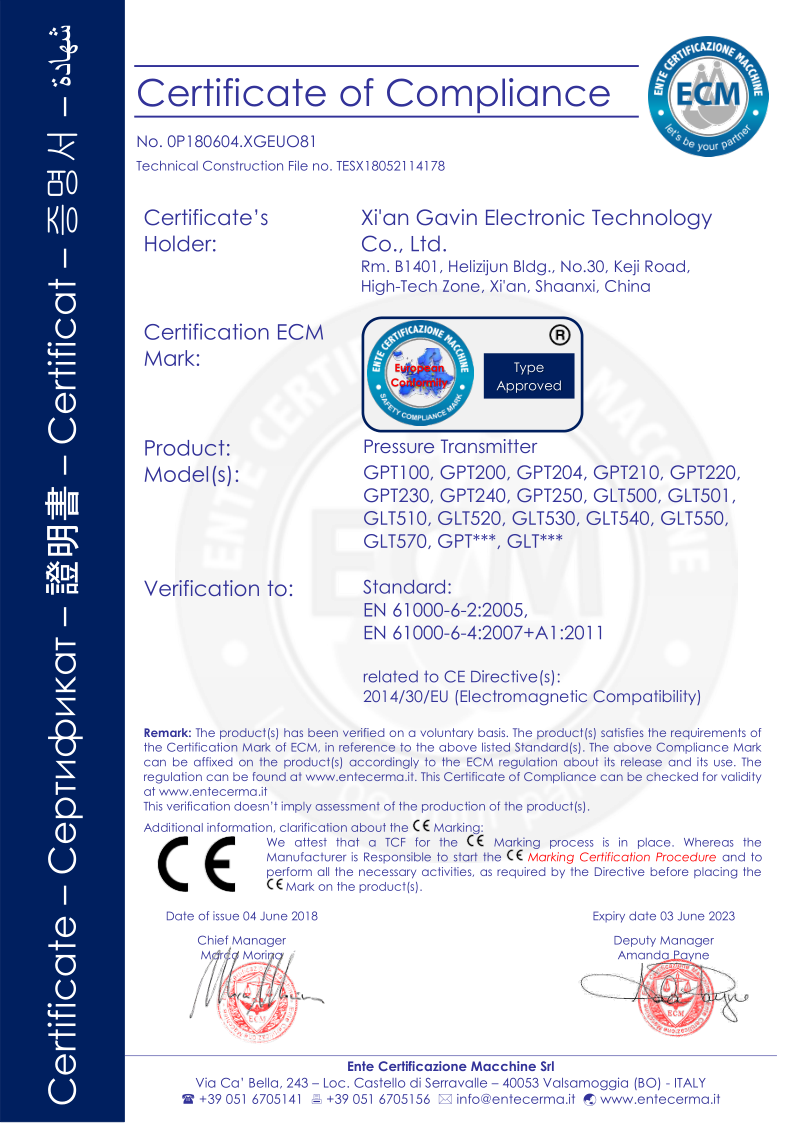
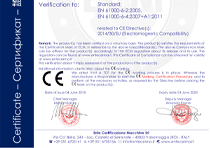
Compliance certifications let you know that certain devices meet the rules for food safety. FDA permission for products that come into touch with food, compliance with 3-A Sanitary Standards, and certification from the European sanitary Engineering and Design Group (EHEDG) all show that the design is right for sanitary uses. In European markets, CE marking makes sure that products are electromagnetically compatible. For facilities that handle flammable chemicals or alcoholic drinks, explosion-proof certifications may be needed.
Digital vs. Analog Output Considerations
Whether digital or analog output signals are used relies on the powers of the current control system and the plans for future automation. Analog 4-20 mA signals work with all old control systems and are easy to install. Digital communication methods, such as HART, Profibus, or Ethernet, make it possible to do advanced diagnostics, set up systems remotely, and connect them to current plant information systems.
Solutions that are a mix of analog and digital outputs make it possible to update automation in stages. This method lets facilities keep using the control loops they already have while adding digital communication features gradually as the control systems are updated.
Supplier Evaluation and Procurement Strategy
When evaluating possible suppliers, you need to look at their expert help, delivery, and customer service after the sale. Suppliers who have worked with food processing applications before know the unique challenges of clean design and can give useful application advice. It is especially important for sites that need to respond quickly to problems with measurement systems that could affect production plans to have support staff in the area.
GAMICOS provides full OEM and ODM customization services, which allow solutions to be made to fit the needs of specific applications. This adaptability is helpful for places that have tanks with odd shapes, mounting limitations, or specific communication protocol needs. The company has a global footprint and has worked with customers on many countries, so it can serve foreign activities reliably.
Future Trends and Innovations in Sanitary Pressure Transmitters for Food Tank Level Accuracy
The development of sanitary pressure transmitter technology keeps moving forward by incorporating Industry 4.0 ideas and new sensor technologies. These changes should make it easier to measure things and give you more information about how things work than just basic level tracking.
IoT Integration and Smart Diagnostics
Sanitary pressure transmitters with Internet of Things connectivity can take part in thorough building tracking systems that keep track of machine performance, anticipate repair needs, and improve process efficiency. Wireless communication methods lower the cost of installation and make it possible to put sensors in places where wired links wouldn't work.
Smart troubleshooting features look at patterns in sensor performance to spot problems before they get worse and affect the accuracy of measurements. Predictive maintenance algorithms can set up calibration processes based on real performance drift instead of random time intervals. This lowers the cost of maintenance while still making sure the accuracy of measurements.
Advanced Materials and Manufacturing Techniques
New materials and ways of making things promise to make sensors last longer and work better for measurements. Compared to silicon-based sensors, ceramic sensing elements are better at resisting chemicals and staying stable at high temperatures. Using additive manufacturing lets you make complicated internal shapes that make pressure transfer better while still following sanitary design rules.
New developments in surface treatment give surfaces better anti-fouling qualities that make cleaning times longer and cut down on product waste. These changes are especially helpful for places that work with sticky or thick materials that need to clean sensors often.
The move toward modular sensor designs in the industry makes it possible to change and improve parts without having to rethink the whole system. This method lowers costs over the course of a product's life and makes it possible to change to new technologies as they come out.
Conclusion
Sanitary pressure transmitters are an important piece of technology for accurately measuring the amount of food in tanks while still meeting the high standards of cleanliness needed in food handling operations. Traditional measurement systems have some basic problems that these specialty instruments solve by being purpose-built with features that keep them from getting clogged, can handle harsh cleaning methods, and work reliably in a range of process conditions. To get the best results, you need to carefully consider the application needs, performance requirements, and compliance standards when choosing the right sanitary pressure transmitters.
FAQ
What distinguishes sanitary pressure transmitters from standard industrial pressure sensors?
Sanitary pressure sensors are made with 316L stainless steel and have smooth, non-porous surfaces that stop germs from growing and make cleaning easier. They have flat diaphragm designs that get rid of empty places where contaminants could gather. This is different from regular sensors, which might have threaded connections or surface textures that aren't good for food use.
How frequently should sanitary pressure transmitters be calibrated in food applications?
The frequency of calibration depends on how important the application is and how accurate it needs to be, but for good clean receivers, it's usually every six months to two years. Facilities that need to measure things very accurately may do calibration checks every three months. Applications that don't need to measure things very accurately may extend the time between checks based on past performance data and government rules.
Can sanitary pressure transmitters be customized for specific tank requirements?
Modern sanitary pressure transmitters can be easily customized by choosing from different mounting choices, transmission methods, output signal types, and temperature ranges. Manufacturers like GAMICOS offer OEM and ODM services that let you completely change the specs, packing, and instructions to fit the needs of your application.
Partner with GAMICOS for Superior Sanitary Pressure Transmitter Solutions
GAMICOS provides state-of-the-art sanitary pressure transmitter technology made just for tough food handling tasks. Our GPT210 Sanitary Flat Diaphragm Pressure Transmitter is made of 316L stainless steel and has multiple output choices for easy system integration. It measures pressure very accurately and is built to last. As a top maker of sanitary pressure transmitters, we offer full customization services and expert help around the world to make sure your important applications work perfectly. Email our knowledgeable staff at info@gamicos.com to talk about your unique needs and find out how our tried-and-true measurement solutions can help you improve the quality and efficiency of your operations.
References
1. Smith, J.R., "Advanced Measurement Technologies for Food Processing Applications," Journal of Food Engineering Technology, Vol. 45, No. 3, 2023.
2. Anderson, M.K., "Hygienic Design Principles in Industrial Instrumentation," International Food Safety Standards Quarterly, Issue 2, 2024.
3. Thompson, L.P., "Pressure Sensing Technologies for Sanitary Applications: A Comprehensive Review," Process Automation in Food Industries, Vol. 28, 2023.
4. Williams, D.A., "Regulatory Compliance in Food Processing Instrumentation," FDA Guidelines and Industry Best Practices, 3rd Edition, 2024.
5. Chen, H.Y., "IoT Integration in Food Processing Measurement Systems," Smart Manufacturing Technologies Review, Vol. 12, No. 4, 2023.
6. Rodriguez, C.M., "Maintenance Strategies for Sanitary Pressure Transmitters in Food Applications," Industrial Maintenance and Reliability Journal, Vol. 39, 2024.

Halen
With over 12 years of experience in fluid sensing technology, Halen specializes in helping clients select and optimize oil level sensors for a wide range of industries—including automotive, marine, heavy machinery, and energy.
We're here to help — submit your request anytime!
Let us know how we can help solve your pressure level measurement challenge.
_1757930850792.jpg)
Recommended Blog
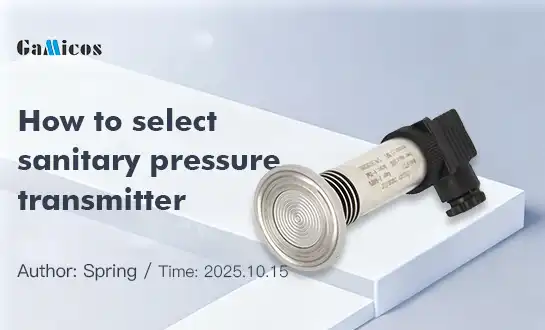
How do I choose the right sanitary pressure transmitter for my application?
How do I choose the right sanitary pressure transmitter for my application?