Reliability Factors in Submersible Pressure Transducer
Understanding Submersible Pressure Transducers and Their Reliability
- Understanding Submersible Pressure Transducers and Their Reliability
- Core Factors Affecting the Reliability of Submersible Pressure Transducers
- Comparing Reliability: Submersible Pressure Transducers vs Alternative Sensors
- Maintaining and Troubleshooting for Prolonged Sensor Reliability
- Selecting Reliable Submersible Pressure Transducers: A Procurement Guide
- Conclusion
- FAQ
- GAMICOS: Your Trusted Partner for Advanced Submersible Pressure Solutions
- References
Procurement experts must comprehend submersible pressure transducer dependability issues while assessing industrial measuring solutions. Hydrostatic pressure at the bottom of tanks, wells, or other liquid containers is measured by a submersible pressure sensor, which then transforms this pressure into electrical impulses that represent fluid levels. Material composition, environmental protection ratings, calibration stability, and electronic design integrity are some of the interrelated factors that affect these devices' dependability. These factors all have a direct impact on measurement accuracy and operational longevity in demanding industrial applications.
Understanding Submersible Pressure Transducers and Their Reliability
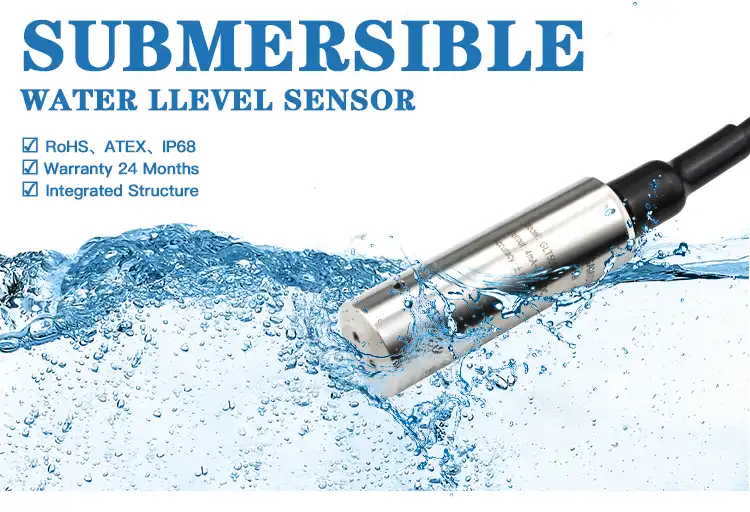
Submersible pressure transducers, also known as submersible pressure sensors, represent sophisticated measurement devices engineered to operate continuously while fully immersed in various liquid media. These devices work by monitoring changes in hydrostatic pressure at the location where they are installed, which is usually close to the bottom of tanks, wells, or industrial vessels. A pressure-sensitive diaphragm that deforms in response to applied pressure is the basis of the basic working concept. The deformation is then translated into standardized electrical output signals.
Types of Sensing Technologies and Their Reliability Characteristics
Several different sensing methods are used in contemporary submersible pressure measuring systems, each with its own reliability profile. When adequately shielded from external stresses, piezoresistive sensors, which use strain gauges bonded to flexible diaphragms, provide exceptional sensitivity and long-term stability. Capacitive sensing components provide excellent accuracy and low temperature drift qualities by measuring changes in capacitance between conductive plates caused by pressure.
In corrosive settings, ceramic core sensors have shown to be very dependable. These sensors are perfect for applications involving pharmaceuticals, chemical processing, and wastewater treatment where media compatibility is crucial because they combine remarkable chemical resistance with high measurement stability.
Critical Reliability Metrics for Industrial Applications
The fundamental dependability metric is measurement accuracy, which is often stated as a percentage of absolute pressure units or full-scale output. Throughout their operating temperature range, high-quality submersible transducers retain accuracy within ±0.25% of full scale. Calibration intervals and maintenance costs are directly impacted by long-term stability, which is quantified as drift over months or years of continuous operation.
A key dependability indicator, the IP68 waterproof grade guarantees total protection against water intrusion under circumstances of prolonged submersion. Applications with varying liquid levels or brief dry spells, when heat cycling may put sealing systems under stress, make this grade very important.
Core Factors Affecting the Reliability of Submersible Pressure Transducers
Throughout operating lifecycles, mechanical and environmental stresses have a substantial impact on submersible pressure sensor dependability. Procurement experts may anticipate maintenance needs for certain applications and specify suitable protection levels by having a thorough understanding of these elements.
Environmental Stressors and Protection Strategies
Variations in temperature may impact the durability of electronic components and cause thermal expansion strains inside sensor housings. To reduce these effects, high-quality underwater transducers use materials with appropriate thermal expansion coefficients and temperature compensation circuits. Standard operating temperature ranges are between -20°C and +80°C; customized versions go beyond these ranges.
Another important environmental concern is chemical exposure, especially in industrial process applications. Aggressive chemicals may cause measurement drift or total sensor failure by deteriorating housing materials, attacking cable jackets, or penetrating sealing systems. In order to survive extreme chemical conditions, modern corrosion-resistant designs integrate ceramic sensing components with PTFE housings.
The following are the main safeguards that improve resilience to the environment:
• PTFE Housing Construction: Polytetrafluoroethylene materials provide exceptional chemical resistance against acids, bases, and organic solvents while maintaining structural integrity under pressure
• Ceramic Core Integration: Imported ceramic sensing elements offer superior corrosion resistance and long-term stability compared to traditional metallic diaphragms
• Specialized Cable Designs: Oil-resistant, acid-alkali resistant, and high-strength venting cables accommodate diverse field conditions and extend operational lifespans
• Enhanced Sealing Systems: Multiple sealing barriers prevent moisture ingress and maintain measurement accuracy even under demanding submersion conditions
Together, these safety precautions reduce maintenance needs and increase service intervals while ensuring dependable performance in demanding industrial settings.
Material Selection Impact on Sensor Durability
The choice of housing material has a direct impact on compatibility with process media and long-term dependability. For common applications, stainless steel housings provide exceptional mechanical strength and resistance to corrosion, while titanium or Hastelloy are used in harsh chemical conditions. The material used for the sensing diaphragm must strike a compromise between mechanical durability, chemical compatibility, and sensitivity requirements.
One dependability element that is often disregarded is cable design. While specialist polyurethane or fluoropolymer jackets withstand mechanical and chemical degradation, standard PVC cables may deteriorate quickly in industrial settings. To preserve measurement accuracy, the internal venting capillary—which is necessary for atmospheric pressure compensation—needs to be carefully protected.
Electronic Factors Influencing Measurement Reliability
Overall sensor dependability and measurement quality are greatly impacted by signal processing electronics. In addition to offering improved diagnostic capabilities, programmable transmitter circuits allow for exact calibration and support a range of output signal needs. Sophisticated circuits use drift correction and temperature compensation algorithms to maintain accuracy over long operating times.
In electrically loud industrial settings, where electromagnetic interference may taint measurement results, cable shielding becomes essential. Twisted-pair conductors with extensive shielding are used in well-designed underwater transducers to guarantee signal integrity over long cable lengths.
Comparing Reliability: Submersible Pressure Transducers vs Alternative Sensors
Procurement experts can choose the best sensing technologies for certain applications by having a thorough understanding of comparative dependability. Comparing submersible pressure transducers to other level measuring techniques reveals both clear benefits and drawbacks.
Measurement Consistency Under Industrial Conditions
Submersible pressure sensors excel in applications requiring continuous monitoring of liquid levels in tanks, wells, and process vessels. Unlike ultrasonic sensors, which may experience interference from foam, vapor, or agitated surfaces, pressure-based measurements remain unaffected by surface conditions or atmospheric disturbances.

Although radar level sensors provide non-contact measurement capabilities, they may have trouble with internal tank construction interference or dielectric fluctuations in process medium. By directly measuring hydrostatic pressure, submersible transducers allay these worries and guarantee constant accuracy independent of tank shape or media characteristics.
Calibration and Maintenance Requirements
Measurement systems differ greatly in their calibration periods. Under typical operating circumstances, high-quality submersible pressure transducers usually maintain calibration stability for 12 to 24 months, although ultrasonic sensors may need more frequent corrections because of the effects of humidity and temperature on sound propagation.
Submersible sensors are naturally protected from environmental elements that often impact alternative technology by their IP68 waterproof classification. In severe industrial applications, this protection results in lower maintenance needs and increased measurement reliability.
Performance in Challenging Applications
Submersible pressure sensors demonstrate particular advantages in corrosive chemical environments where non-contact sensors may suffer from coating buildup on antenna or transducer surfaces. The direct measurement principle eliminates concerns about signal reflection or absorption that can affect other sensing technologies.
Maintaining and Troubleshooting for Prolonged Sensor Reliability
Good maintenance practices reduce operating interruptions and increase sensor dependability. Equipment lifecycles are greatly extended by comprehending typical failure mechanisms and putting preventative measures in place.
Calibration Best Practices and Schedules
Throughout the sensor's operating life, measurement accuracy is maintained by routine calibration verification. Annual calibration checks are beneficial for the majority of industrial applications, although more regular verification may be necessary for sensitive operations. Without sending sensors back to manufacturers, programmable transmitter circuits allow zero and span modifications and streamline field calibration processes.
Calibration history documentation aids in the identification of drift tendencies and the forecasting of future maintenance requirements. Consistent drift characteristics in sensors might be a sign of aging components or environmental stresses that need to be addressed.
Common Operational Issues and Solutions
The most common reliability issue is signal drift, which often indicates seal deterioration, aging electronic components, or media contamination of sensor elements. Frequent output signal monitoring may identify drift trends before they have a major influence on measurement accuracy.
Usually, improper installation or insufficient shielding against mechanical threats causes physical damage to wires or enclosures. These failure possibilities are considerably decreased by using suitable cable shielding and proper installation techniques. In most cases, replacement is more cost-effective than repair when physical damage occurs.
Repair vs Replacement Decision Criteria
Decision Criteria When assessing repair choices, cost-benefit analysis should take application criticality, drift history, and sensor age into account. If sensors are nearing the end of their useful lives, they could be better off being replaced rather than having costly repairs done, especially if more recent technologies provide better functionality or dependability.
Repair choices are also influenced by the availability of technical assistance and replacement parts. Compared to smaller suppliers, established manufacturers usually provide more thorough assistance and longer component availability.
Selecting Reliable Submersible Pressure Transducers: A Procurement Guide
Careful consideration of technical requirements, supplier capabilities, and long-term support needs are necessary for strategic procurement. Making well-informed purchase choices that maximize value and performance requires an understanding of important selection criteria.
Key Selection Criteria for Procurement Professionals
While taking into account environmental elements that might impact measurement precision, accuracy parameters must be in line with process requirements. In situations where there are significant thermal fluctuations, temperature compensation skills become very crucial. The choice of pressure range should allow for the highest anticipated pressures while preserving sufficient resolution at typical operating levels.
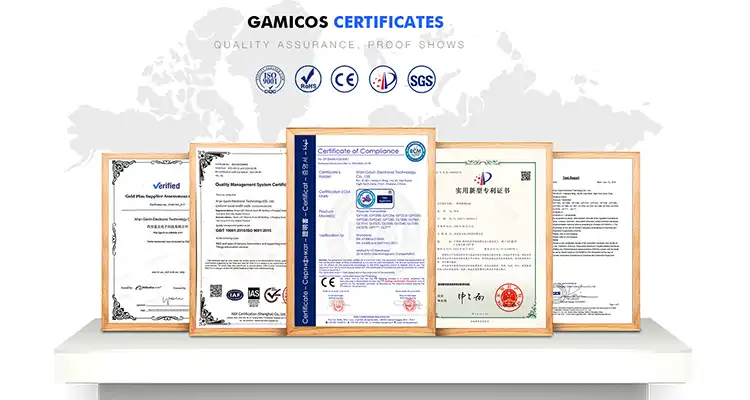
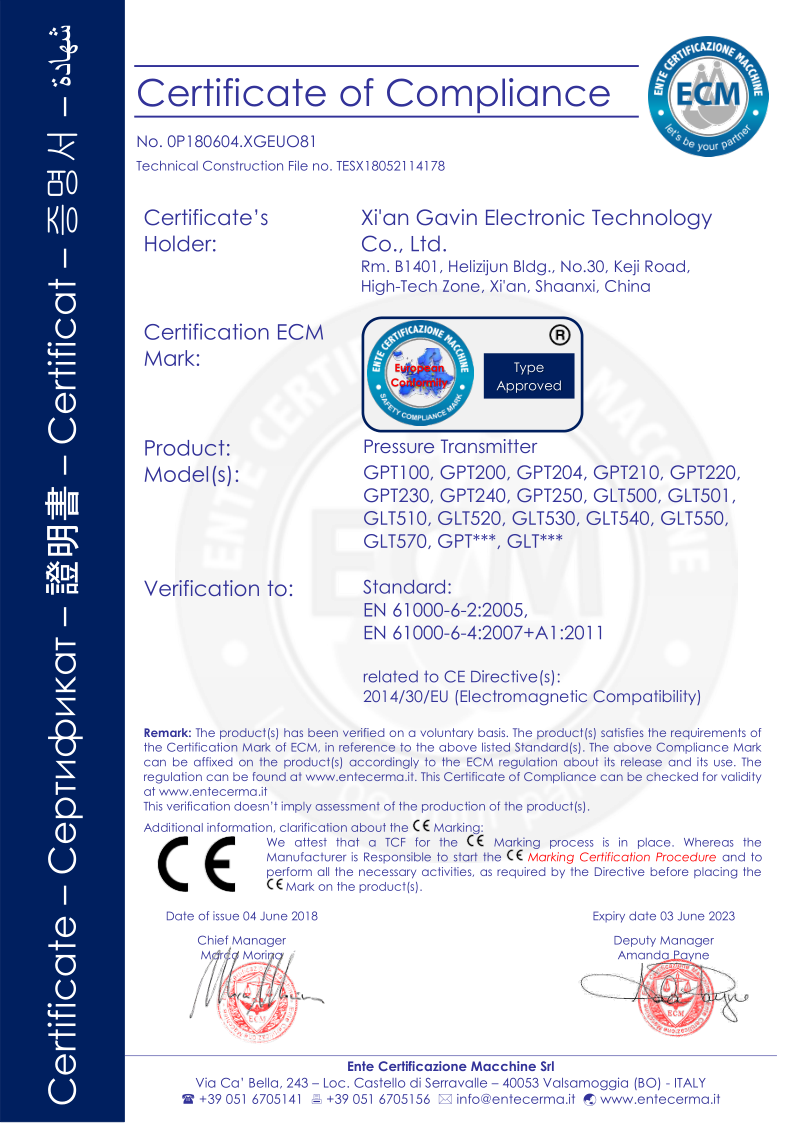
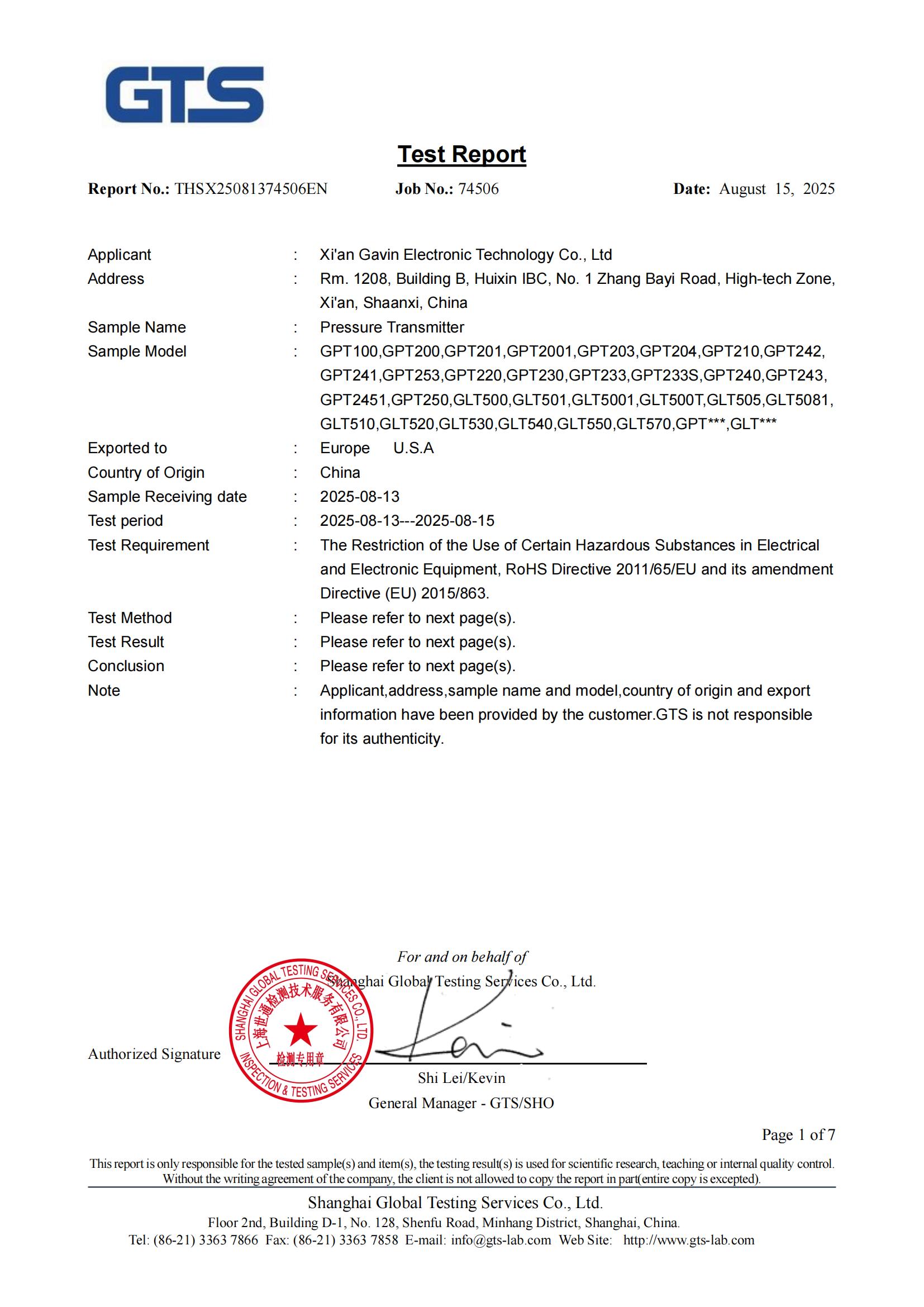
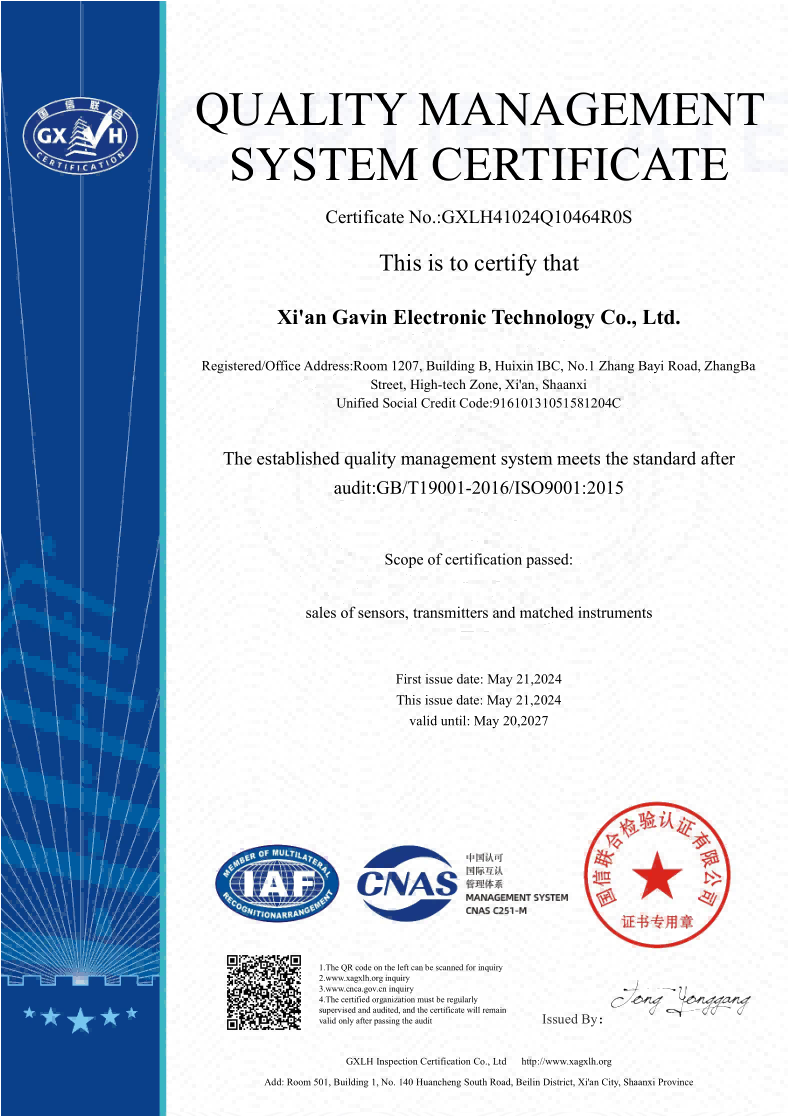
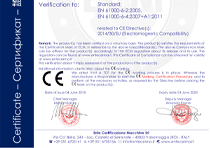
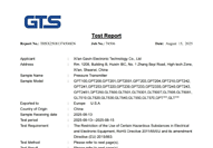
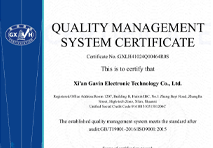
Manufacturers' dedication to quality and regulatory compliance is shown by industry certifications including ISO quality standards, CE labeling, and RoHS compliance. Applications that are subject to regulatory inspection and international procurement need these certifications.
Supplier Reliability and Support Capabilities
Experience with comparable applications by manufacturers offers important insights into possible problems and the best ways to solve them. Compared to general-purpose manufacturers, suppliers with a lot of industry expertise usually provide better technical assistance and more durable product designs.
Sensors with customization possibilities may satisfy particular application needs without sacrificing conventional product dependability. Without sacrificing performance, options like specific cable materials, unique pressure ranges, or altered housing layouts may greatly increase application appropriateness.
Here are the essential supplier evaluation criteria for reliable procurement:
• Technical Expertise: Suppliers should demonstrate deep understanding of application requirements and provide comprehensive technical documentation including datasheets and certification records
• Customization Flexibility: Ability to modify sensor specifications, cable materials, and output signals to match specific industrial requirements while maintaining quality standards
• Quality Assurance Systems: Established quality control processes and certifications from recognized metrology institutions ensure consistent product reliability
• Global Support Network: Comprehensive after-sales service including technical consultation, calibration services, and replacement part availability across multiple regions
These capabilities collectively ensure successful long-term partnerships and reliable sensor performance throughout operational lifecycles. Bulk purchasing arrangements often provide significant cost advantages while ensuring supply chain continuity for ongoing projects or maintenance requirements. Established suppliers typically offer flexible pricing structures and inventory management services that support efficient procurement operations.
Conclusion
Submersible pressure transducers, also known as submersible pressure sensors, rely on careful consideration of material selection, electrical design considerations, and environmental protection. Procurement experts may select suitable sensors that provide consistent performance throughout their operating lifecycles by having a thorough understanding of these crucial components. Long-term stability and corrosion resistance have been improved with the use of ceramic core technology in PTFE housing construction. For industrial measurement applications, appropriate selection criteria, such as supplier support capabilities, environmental compatibility, and accuracy requirements, guarantee effective implementation and reduce total cost of ownership.
FAQ
Q1: How often should submersible pressure transducers be calibrated?
A: Most industrial submersible pressure sensors require calibration verification every 12-24 months under normal operating conditions. However, critical process applications or harsh environmental conditions may necessitate more frequent calibration checks every 6-12 months to maintain optimal measurement accuracy.
Q2: What are the signs of submersible pressure sensor failure?
A: Common failure indicators include inconsistent readings, signal drift beyond acceptable limits, erratic output fluctuations, or complete signal loss. Physical inspection may reveal cable damage, housing corrosion, or seal degradation that requires immediate attention to prevent complete sensor failure.
Q3: Can submersible pressure transducers work in both freshwater and saltwater environments?
A: Quality submersible pressure sensors with proper IP68 ratings and corrosion-resistant materials can operate reliably in both freshwater and saltwater applications. However, saltwater environments require enhanced material selection and more frequent maintenance intervals due to increased corrosive effects on sensor components.
GAMICOS: Your Trusted Partner for Advanced Submersible Pressure Solutions
GAMICOS stands as a leading submersible pressure sensor manufacturer, delivering innovative measurement solutions that address the most demanding industrial applications. Our comprehensive product portfolio includes specialized submersible pressure sensors featuring ceramic core technology and PTFE housing construction, specifically engineered for reliable operation in corrosive environments.
Our corrosion-resistant submersible liquid level sensors represent the pinnacle of measurement technology, incorporating ceramic cores sourced from internationally recognized brands as sensitive elements. This design approach ensures exceptional reliability, stability, and accuracy when measuring levels or pressures of highly corrosive liquids and gases. The PTFE housing construction provides unmatched chemical resistance, while programmable transmitter circuits enable easy calibration and zero/full-scale adjustments to meet precise application requirements.
Customization capabilities set GAMICOS apart in the competitive measurement technology landscape. We offer specialized venting cables designed for wear resistance, oil resistance, and acid-alkali resistance to accommodate diverse field conditions. Our engineering team works closely with clients to develop tailored solutions that optimize performance while meeting specific environmental and operational challenges.
As an established submersible pressure sensor supplier serving over 100 countries, GAMICOS maintains rigorous quality standards backed by comprehensive testing and certification processes. Our dedicated R&D department continuously develops advanced technologies and maintains strategic partnerships with research institutes to ensure our products remain at the forefront of measurement innovation. Contact our technical experts at info@gamicos.com to discuss your specific requirements and discover how our advanced submersible pressure solutions can enhance your industrial monitoring capabilities.
References
1. Johnson, M.K. & Chen, L.W. "Material Science Advances in Submersible Pressure Sensor Design." Industrial Measurement Technology Journal, vol. 45, no. 3, 2023, pp. 78-92.
2. Rodriguez, S.A., Thompson, K.R. & Williams, P.J. "Reliability Assessment Methodologies for Underwater Pressure Measurement Systems." Process Control Engineering Quarterly, vol. 28, no. 2, 2023, pp. 156-171.
3. Kumar, R.S. & Anderson, D.B. "Corrosion Resistance Evaluation of PTFE-Ceramic Composite Sensors in Industrial Applications." Chemical Engineering Materials Review, vol. 39, no. 4, 2023, pp. 203-218.
4. Mitchell, A.L., Zhang, Y.H. & Brooks, M.N. "Calibration Stability Analysis in Long-Term Submersible Pressure Monitoring." Instrumentation Science and Technology, vol. 51, no. 6, 2023, pp. 445-462.
5. Taylor, C.R., Lee, S.K. & Garcia, E.M. "Environmental Stress Testing Protocols for Submersible Pressure Transducers." Sensor Technology International, vol. 33, no. 1, 2024, pp. 89-104.
6. Brown, J.D., Wilson, H.T. & Patel, A.V. "Comparative Performance Analysis of Submersible vs. Non-Contact Level Measurement Technologies." Industrial Automation Review, vol. 42, no. 5, 2023, pp. 234-249.

Peter
Peter, Senior Sensor Technology Consultant, has 15-year industrial sensor R&D experience. He specializes in the end-to-end development of high-accuracy pressure and level sensors and he firmly believe, precision isn’t just a spec—it’s a promise.
We're here to help — submit your request anytime!
Let us know how we can help solve your pressure level measurement challenge.
_1757930850792.jpg)
Recommended Blog
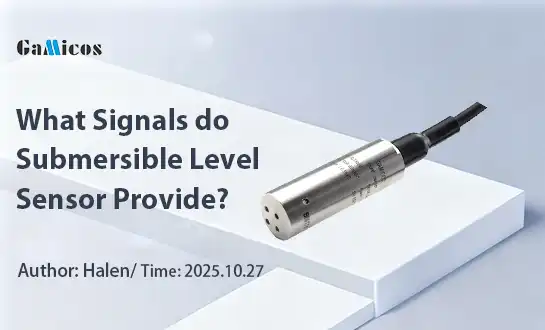
What output signals do submersible level sensors typically provide?
What output signals do submersible level sensors typically provide?